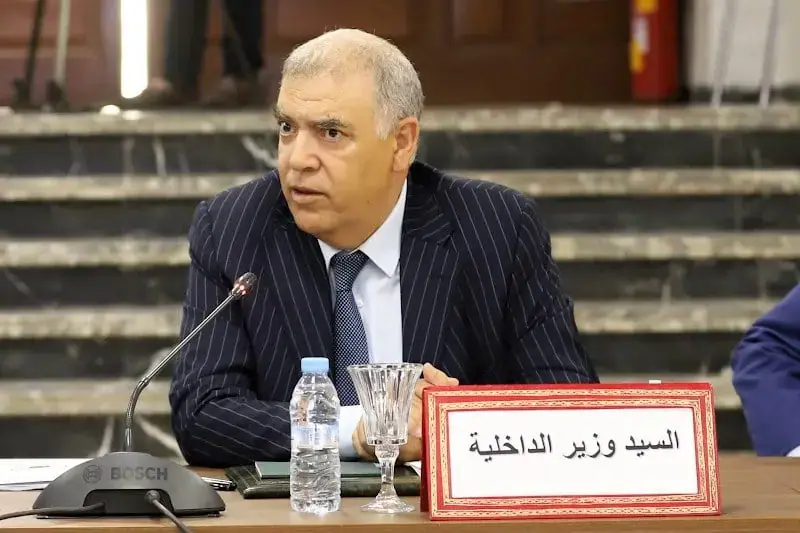
On November 19, 2026, the Moroccan government presented a draft decree that amends the 2019 decree related to the reform of regional investment centers. The new decree places these centers under the supervision of the Ministry of Interior and assigns the ministry's head or representative to chair their boards of directors. The move has raised questions about the limits of the Ministry of Interior's powers and its growing presence in various sectors of the economy.
The Ministry of Interior's role has expanded beyond its traditional responsibilities of territorial administration and local affairs monitoring. It now plays a significant role in various sectors, including water, electricity, taxes, markets, and supply. For instance, the ministry's General Directorate of Local Authorities has a department that oversees economic activities in wholesale markets. Additionally, the ministry hosts meetings of the Joint Ministerial Committee for Vigilance and Supply Monitoring, which focuses on price control.
The new decree has been presented as a measure to enhance efficiency and coordination between different administrative bodies. However, critics argue that it may lead to a concentration of power in the hands of the Ministry of Interior, undermining the independence of economic institutions and the role of elected councils. The decree's impact on the country's economic governance and the distribution of power within the state has sparked concerns among observers.
In 2019, regional investment centers were placed under the supervision of the Head of Government, with the aim of giving them a more economic and developmental role. However, just months after the implementation of a new decree, the government returned these centers to the supervision of the Ministry of Interior. This move has been seen as a step backward, with some describing it as a return to the starting point.
The decision to place regional investment centers under the Ministry of Interior's supervision has raised questions about the ministry's growing influence in the country's economic decision-making process. The move has also sparked concerns about the potential for a more centralized system, similar to those in countries like Egypt and Algeria, where the military plays a significant role in the economy and politics.
The Moroccan constitution emphasizes the importance of decentralization and the empowerment of local authorities. However, the new decree has been criticized for undermining these principles and concentrating power in the hands of the Ministry of Interior. The decree's impact on the country's economic development and the role of different institutions in the decision-making process remains to be seen.
The controversy surrounding the decree highlights the need for a national discussion on the role of different institutions in the country's governance and the distribution of power. It also underscores the importance of ensuring that the country's economic and institutional reforms are aligned with its constitutional principles and values. The government's decision on the decree has significant implications for the country's future development and the role of different stakeholders in shaping its economic and political landscape.
Key points
- The new decree has sparked concerns about the concentration of power in the hands of the Ministry of Interior and its potential impact on the country's economic governance and institutional reforms.