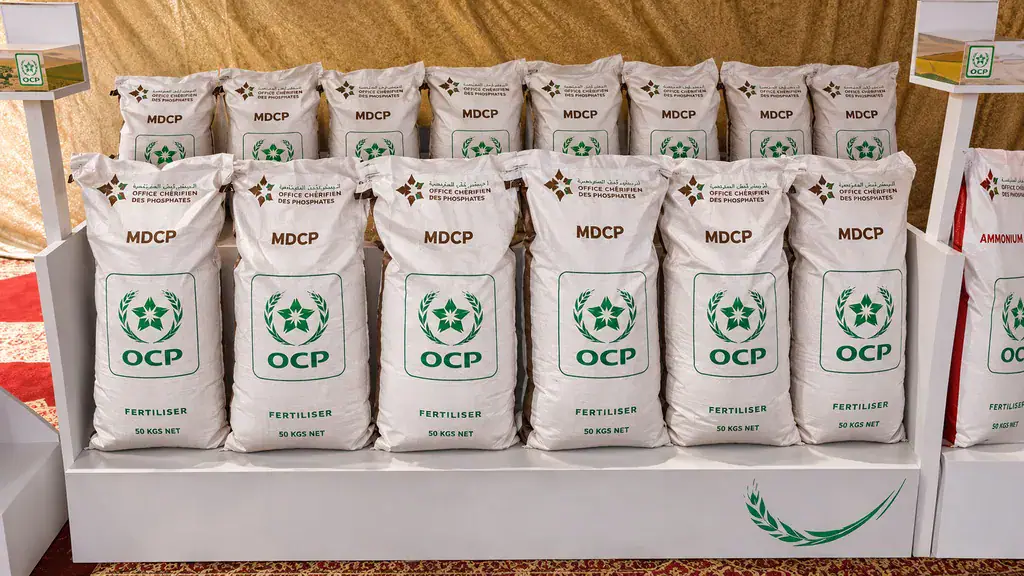
Morocco's export of phosphate monoammoniacal (MAP) experienced a significant downturn in the third quarter of 2026. This decline has contributed to increased strain on the global market for phosphate-based fertilizers. Factors such as higher production costs, supply constraints for raw materials, and a shift in sales towards the United States have led to a contraction in supply. As a result, prices have surged in North America, sparking concerns among agricultural stakeholders as they prepare for the 2027 season.
The decrease in Moroccan MAP exports has far-reaching implications for the global agricultural sector. Phosphate fertilizers are crucial for crop production, and any disruption in supply can impact food security and prices. The current situation has raised alarms about the availability and affordability of these essential fertilizers. Stakeholders are closely monitoring the developments, anticipating potential shortages and price hikes in the coming months.
Industry experts point to several factors contributing to the decline in Moroccan MAP exports. Higher production costs have been a significant challenge, making it difficult for manufacturers to maintain competitive pricing. Additionally, constraints in sourcing raw materials have further exacerbated the issue, leading to a reduction in production capacity. The reorientation of sales towards the US market has also played a role, altering the dynamics of global supply and demand.
The impact of Morocco's reduced MAP exports is being felt across the globe, particularly in regions heavily reliant on imported fertilizers. In North America, the surge in prices has raised concerns among farmers and agricultural businesses. The upcoming 2027 season is expected to be critical, with many stakeholders bracing for potential shortages and increased costs. This scenario underscores the interconnectedness of global agricultural markets and the importance of stable fertilizer supplies.
The Moroccan market, in particular, is closely linked to the global phosphate fertilizer trade. As one of the leading producers of phosphate-based products, any fluctuations in its export volumes can have significant market implications. The current decline in MAP exports highlights the challenges faced by the industry, including production costs, supply chain constraints, and shifting market dynamics.
Efforts are underway to address the supply constraints and stabilize the market. Industry players are exploring alternative sources and optimizing production processes to meet demand. However, the short-term outlook remains uncertain, with many factors influencing the market's trajectory. The situation underscores the need for strategic planning and collaboration among stakeholders to mitigate the risks associated with fertilizer supply disruptions.
As the global agricultural sector navigates these challenges, the impact of Morocco's reduced MAP exports will continue to be closely monitored. The situation highlights the critical role of stable and reliable fertilizer supplies in ensuring food security and sustainability. Stakeholders are working to find solutions to the current supply constraints, aiming to stabilize the market and support agricultural production in the lead-up to the 2027 season.
Key points
- The decline in Moroccan MAP exports has led to increased tensions in the global phosphate fertilizer market, with prices surging in North America.