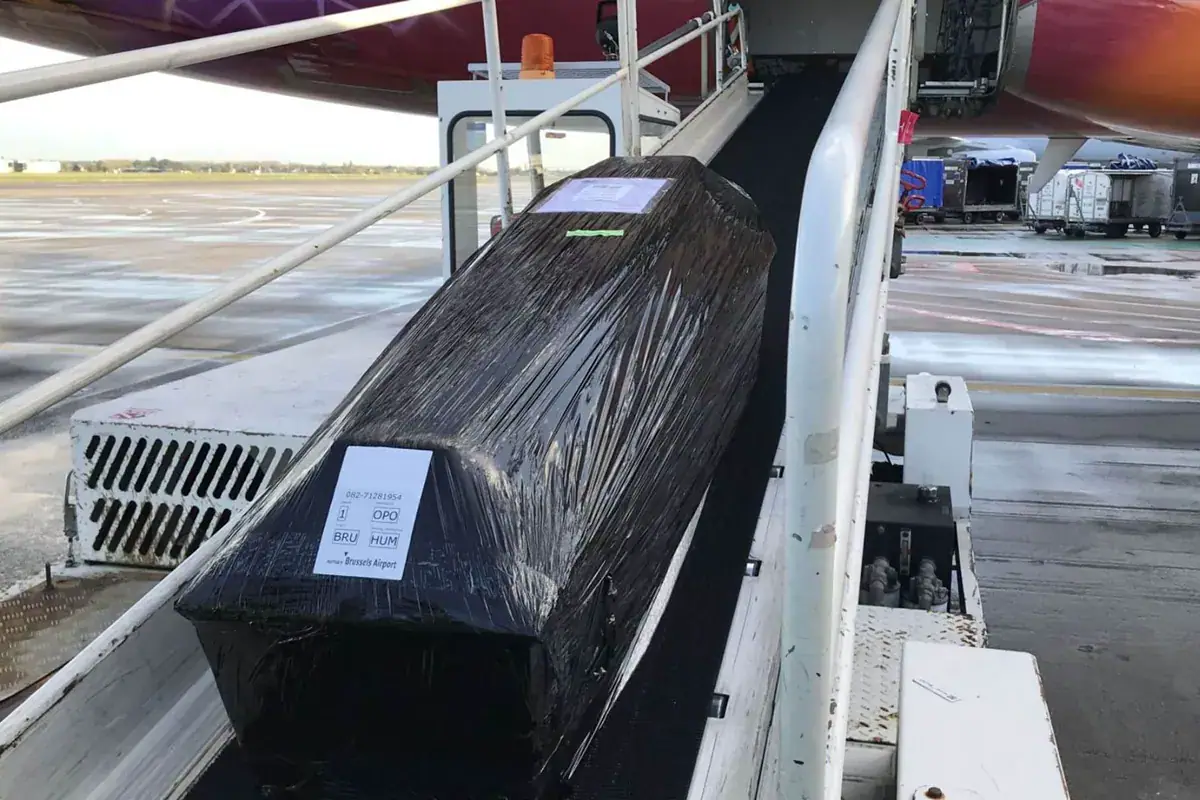
The Algerian government has introduced a new policy to cover the costs of repatriating the bodies of its nationals who die abroad. This move, effective January 1, 2023, ensures that all Algerian citizens who pass away outside the country can be brought back home without financial burden on their families. The costs are covered by a special fund managed by the Ministry of Foreign Affairs.
The policy change was made possible through an amendment to the 2023 finance law, which removed conditions on the state's coverage of repatriation costs. Prior to this, only Algerians who were considered needy or had insufficient financial means were eligible for state assistance. The new policy applies to all Algerian citizens, regardless of their financial situation or residency status.
The repatriation process involves several steps, including the preparation of the body, transportation to Algeria, and administrative procedures. The state covers costs such as transportation, toilet and casket preparation, and administrative fees. However, families are still responsible for other expenses, such as travel costs for accompanying family members, transportation from the airport to the cemetery, and burial costs.
The special fund that covers repatriation costs is financed through a portion of the revenue generated from consular services and visas, as well as donations and bequests. The Ministry of Foreign Affairs is responsible for managing the fund, with consular officials playing a key role in the repatriation process. They work closely with funeral homes and local authorities to ensure a smooth transfer of the body.
The repatriation process typically begins with the submission of a dossier by the funeral home to the consulate. The consulate then issues an authorization for the transfer of the body, which requires documentation such as a death certificate, medical certificate of non-contagion, and authorization for closure of the casket. The prefect of the department where the casket is closed also signs the authorization.
In cases where the deceased has no family in France, the consulate can take charge of the repatriation process if the deceased had a bank account with sufficient funds. After the body is buried, the death is recorded in the consular civil registry, similar to the transcription of a marriage. This documentation is often required for the issuance of Algerian documents.
The Algerian government's decision to cover repatriation costs has provided relief to families who would otherwise face significant financial burdens. The move is part of a broader effort to support Algerian citizens living abroad and to ensure that they receive the same level of support as those living in Algeria.
Key points
- The Algerian government covers repatriation costs for its nationals who die abroad, effective January 1, 2023.
- The costs are covered by a special fund managed by the Ministry of Foreign Affairs.
- The repatriation process involves several steps, including preparation of the body, transportation, and administrative procedures.