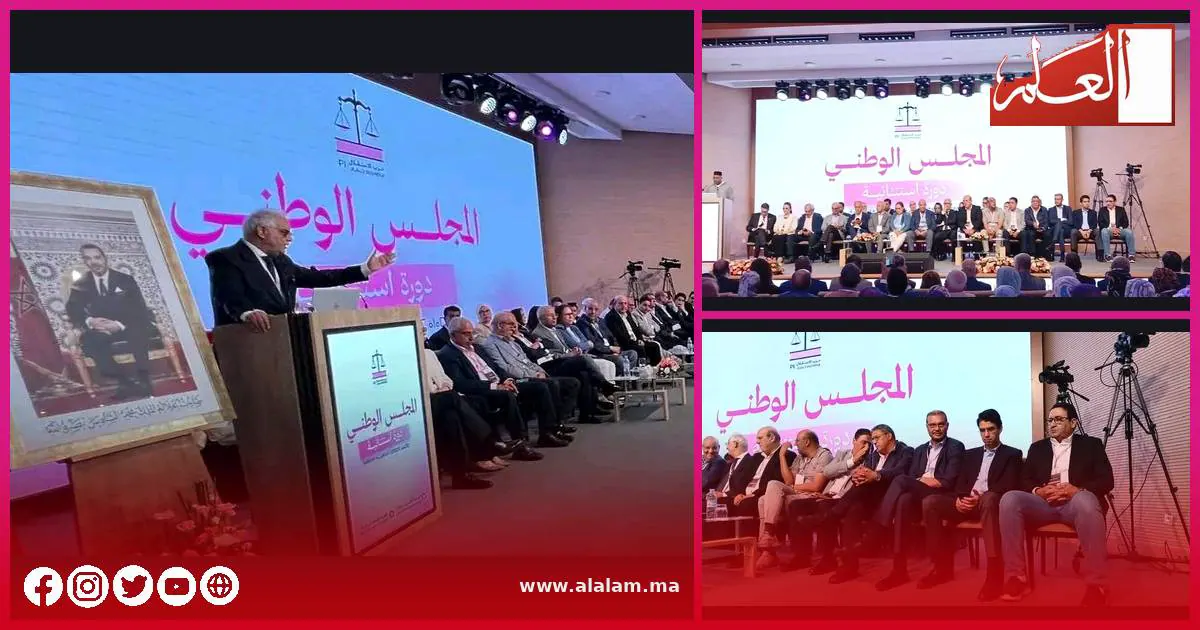
Morocco's Istiqlal party held an extraordinary national council meeting on October 3, 2026, in Salé, to assess the outcome of recent legislative elections and determine its stance on participating in the next government. The party's leadership emphasized the importance of translating the trust gained from voters into tangible actions and policies. The council's discussions centered on the party's future role in Moroccan politics and its commitment to social and national issues.
The meeting took place amid a critical juncture in Moroccan politics, with the party's leadership seeking to balance its historical identity with the need to adapt to changing circumstances. Istiqlal party's Secretary-General, Nizar Baraka, highlighted the party's clean and dignified election campaign, which maintained its independence and principles. This approach aims to restore credibility to the party and Moroccan politics as a whole.
A key focus of the national council was the party's potential participation in the next government. The leadership stressed that any involvement would depend on the party's ability to influence public policy, defend its social and economic choices, and address pressing issues such as employment, purchasing power, and public services. The party's goal is to ensure its presence in government translates into concrete benefits for Moroccan citizens.
The council also noted the party's strong performance in the southern regions, where it topped the legislative election results. This outcome is particularly significant given the ongoing national debate on territorial integrity and unity. The high voter turnout in these regions underscores the importance of engaging with elected institutions and expressing democratic support for national unity.
The national council ultimately granted Baraka full authority to negotiate the party's participation in the next government. This decision, made by consensus, empowers the Secretary-General to translate the party's political decision into institutional negotiations. The move reflects the party's commitment to democratic processes and its willingness to engage in responsible dialogue.
As the Istiqlal party embarks on these negotiations, it faces the challenge of balancing its historical identity with the need to adapt to evolving circumstances. The party's leadership has emphasized the importance of prioritizing its core values and commitments, while also being responsive to the needs and expectations of Moroccan citizens. The outcome of these negotiations will likely have significant implications for the country's future governance.
The Istiqlal party's next steps will be closely watched by Moroccan citizens and the international community. As the party navigates the complexities of government participation, it must remain committed to its core principles and priorities. Ultimately, the party's success will depend on its ability to translate its rhetoric into tangible actions and policies that benefit the Moroccan people.
Key points
- The Istiqlal party's national council has granted Secretary-General Nizar Baraka full authority to negotiate the party's participation in the next government.