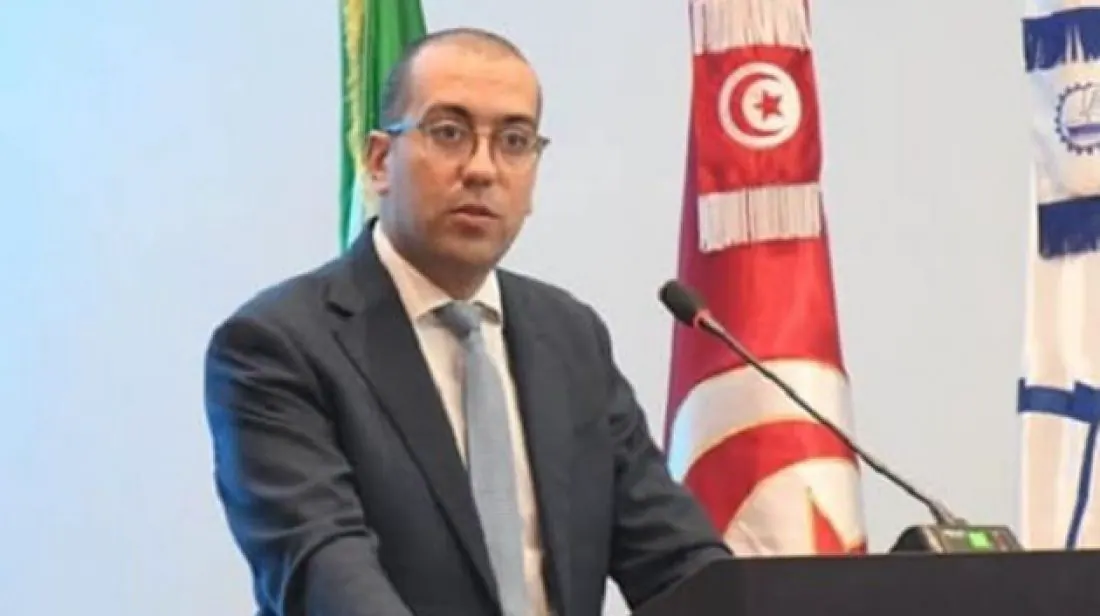
Tunisia's energy landscape is undergoing significant changes, driven by global market fluctuations and climate change impacts. According to Wail Chouchane, Minister of State for Energy Transition, the country's energy transition is no longer just an option, but a strategic imperative. This shift is crucial in addressing the challenges facing Tunisia's energy sector, particularly in light of recent developments in the global energy market.
The International Salon for Energy Transition, currently underway, provides a platform for stakeholders to discuss and explore opportunities in this critical sector. Chouchane emphasized that the event's timing is significant, given the ongoing fluctuations in global energy markets and the escalating impacts of climate change on regional energy systems. Tunisia is working to accelerate various projects within this framework to ensure a smooth transition.
The projects in question encompass a range of initiatives, from those already operational to others in the implementation phase and those ready to commence. Chouchane stressed that efforts are underway to expedite the completion of these projects and ensure they become operational as soon as possible. This acceleration is vital in addressing the country's energy needs and enhancing the resilience of its electrical grid.
The challenges faced by Tunisia and the region during the previous summer underscored the importance of expediting energy projects and bolstering the electrical grid's preparedness. Chouchane noted that the government is working on a set of urgent measures to mitigate potential issues affecting the electrical grid and ensure its reliability. These efforts aim to minimize the impact of these challenges and guarantee a stable electricity supply.
The energy transition is critical in addressing the transformations in global energy markets and the impacts of climate change. Chouchane emphasized that Tunisia's energy security and grid preparedness depend on accelerating energy transition projects. The government is committed to supporting this transition, recognizing its role in ensuring the country's energy stability and promoting sustainable development.
To achieve this goal, Tunisia is focusing on developing and implementing comprehensive energy projects. These initiatives aim to diversify the country's energy mix, reduce dependence on imported fuels, and promote renewable energy sources. By doing so, Tunisia can enhance its energy security, reduce greenhouse gas emissions, and contribute to global efforts to combat climate change.
In conclusion, Tunisia's energy transition is a strategic imperative that requires immediate attention and action. The country's efforts to accelerate energy projects, enhance grid preparedness, and promote renewable energy sources are crucial in addressing the challenges facing its energy sector. By prioritizing energy transition, Tunisia can ensure a sustainable and stable energy future.
Key points
- Tunisia's energy transition is no longer just an option, but a strategic necessity.
- The country is working to accelerate various energy projects to ensure a smooth transition.
- The energy transition is critical in addressing the transformations in global energy markets and the impacts of climate change.