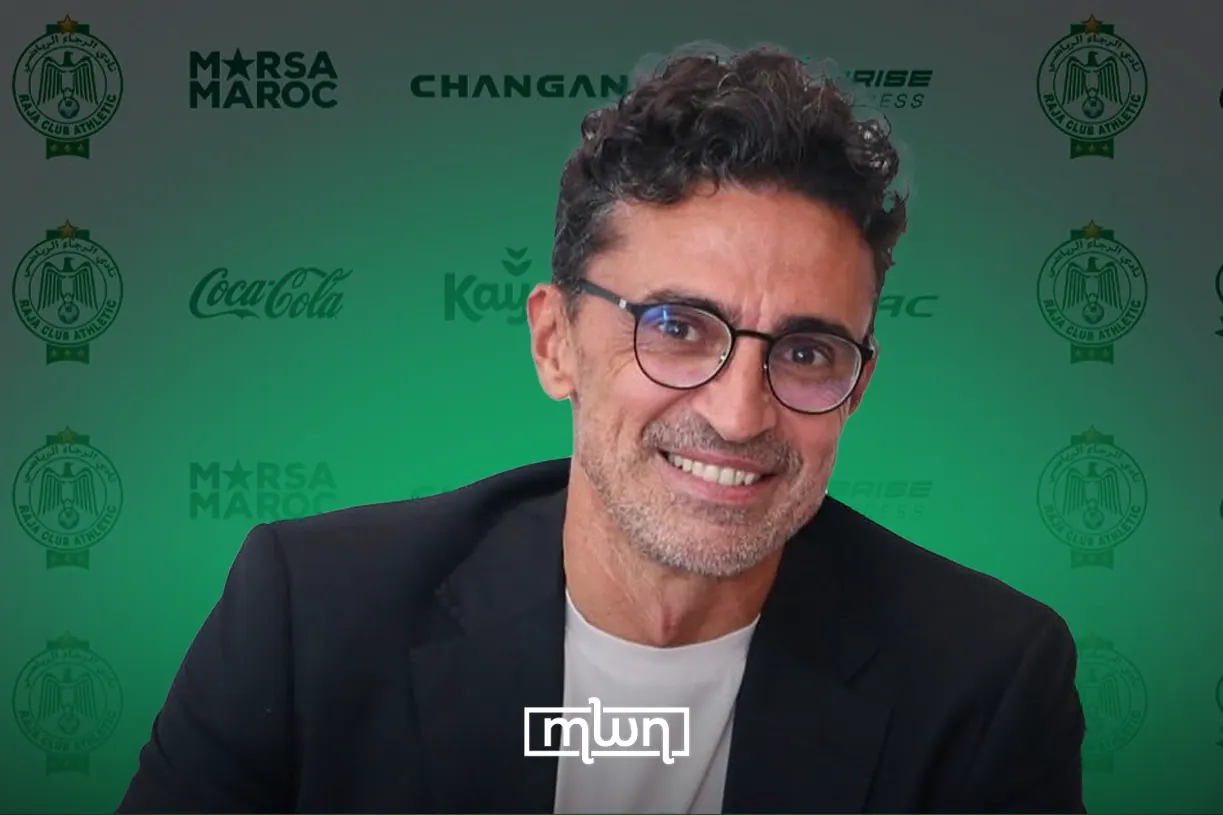
Raja Club Athletic sporting director Rogerio Matias has expressed confidence that Morocco can host the 2030 World Cup final, given the country's significant investment in infrastructure and football development. Matias, who joined Raja in July 2026, has been overseeing the club's football strategy and recruitment. He highlighted the impressive construction work underway in Morocco, including the development of the Hassan II Stadium in Benslimane, near Casablanca, which will have a capacity of 115,000 spectators.
The Hassan II Stadium has emerged as Morocco's leading candidate to stage the 2030 World Cup final. According to reports, FRMF President Fouzi Lekjaa has publicly insisted that the final will take place at the stadium. While FIFA has not officially confirmed a venue for the 2030 final, Matias believes that Morocco's efforts to make the tournament a success make it a strong contender. He noted that the government and the King are making major efforts to ensure the tournament's success.
Morocco will co-host the 2030 World Cup with Spain and Portugal, while Argentina, Paraguay, and Uruguay will each stage one centenary celebration match. FIFA confirmed the three main hosts in December 2024, but the governing body has yet to announce which stadium will stage the final. The decision has sparked a debate between Morocco and Spain, with both countries presenting strong cases to host the tournament's showpiece match.
Matias' comments add a new perspective to the ongoing debate over the 2030 World Cup final venue. As a Portuguese executive, he brings a unique viewpoint to the discussion. Before joining Raja, Matias served as sporting director at Portuguese club Vitoria Guimaraes between 2022 and 2026. His experience in football management and his observations of Morocco's football landscape make his opinions noteworthy.
Other notable figures have also weighed in on the debate. Real Madrid coach Jose Mourinho recently expressed his preference for Lisbon to host the final, but also suggested that the Santiago Bernabeu should be considered. Meanwhile, many believe that Casablanca's Hassan II Stadium has a high chance of winning the contest to host the final.
Matias' appointment as Raja's sporting director is part of a broader restructuring of the club's sporting department. His task is to oversee the club's football strategy, recruitment, and development, with a long-term goal of making Raja a major exporter of talents in Africa. This ambitious project aligns with Morocco's broader goals to become a global footballing powerhouse.
As FIFA continues to deliberate on the 2030 World Cup final venue, Morocco's investment in infrastructure and football development makes a strong case for the country to host the tournament's showpiece match. With its impressive stadiums and government support, Morocco is well-positioned to make a compelling bid. The final decision, however, remains with FIFA.
Key points
- Morocco's significant investment in infrastructure and football development makes it a strong contender to host the 2030 World Cup final.
- The Hassan II Stadium in Casablanca has emerged as Morocco's leading candidate to stage the 2030 World Cup final.
- Morocco will co-host the 2030 World Cup with Spain and Portugal, with the final decision on the venue resting with FIFA.