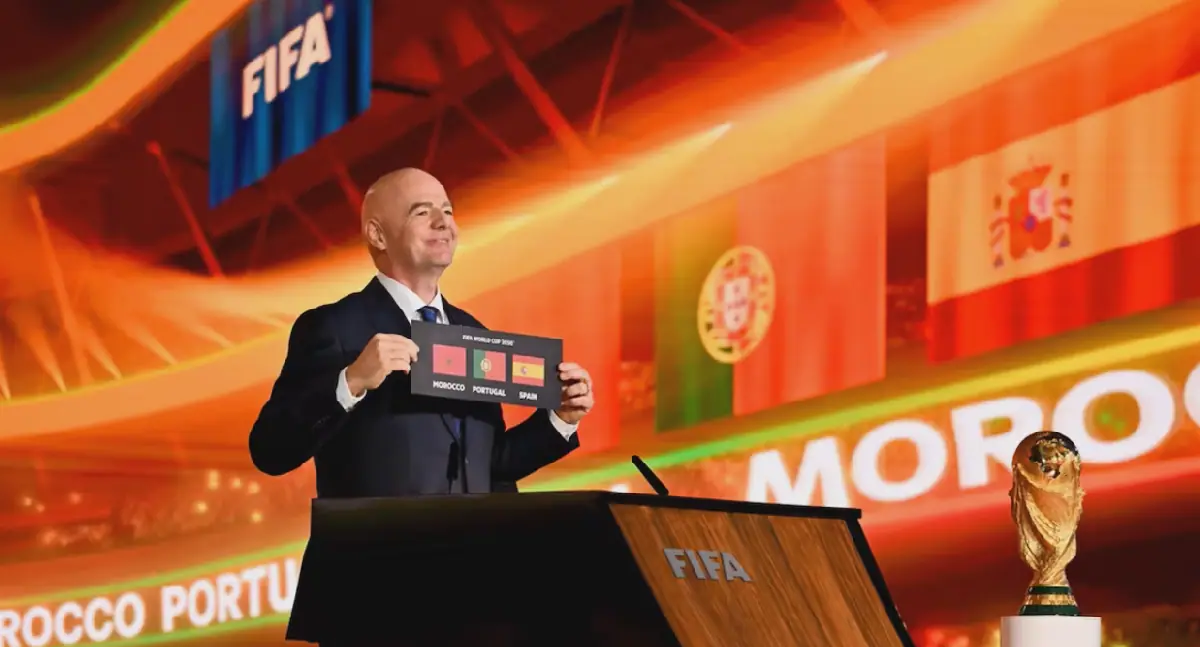
The Moroccan government has clarified its decision not to tax the FIFA World Cup 2030, citing international standards and the nature of the event. According to Minister of Economy, Finance, and Public Performance Fouzi Lekjaa, the FIFA will manage the tournament's organization and not engage in investment activities in Morocco that generate added value. This approach aligns with previous World Cup editions worldwide.
The majority of revenue from the competition, including TV broadcasting rights and international sponsorship contracts, is negotiated and finalized years before the event. Morocco's hosting model follows international practices, focusing on long-term structural benefits rather than direct taxation. The country's return on investment lies in the overall macroeconomic impact, including infrastructure development and job creation.
The 2030 World Cup is part of a broader national project, with the Moroccan government aiming to develop skills and competencies in 36 essential professions for managing large international events. The goal is to train hundreds of thousands of young people in logistics, management, and event engineering. This initiative seeks to create a sustainable economic fabric that can be maintained beyond 2030 and benefit the African market.
The event's impact extends beyond sports, with benefits including the upgrading of infrastructure, tourism development, job creation, and promotion of private investment in host cities. The World Cup is an opportunity for Morocco to play a geo-economic and cultural bridge between Europe and Africa. The government aims to transform infrastructure spending into long-term structural investment, with returns measured by the country's ability to capitalize on its new logistical and institutional assets.
The organization of the 2030 World Cup is a societal project led by King Mohammed VI, requiring collective mobilization to make the event a national and continental success. Morocco's participation in the event, alongside Spain and Portugal, highlights its role in promoting African and Mediterranean cultural and civilizational richness.
The Moroccan government's strategy focuses on developing startups and enhancing the skills of young people, enabling them to organize international events and create a sustainable economic impact. The World Cup's legacy will be measured by its contribution to Morocco's economic growth, infrastructure development, and human capital.
As the 2030 World Cup approaches, Morocco is poised to reap long-term economic benefits from its hosting role. The event presents an opportunity for the country to showcase its capabilities, promote investment, and strengthen its position as a key player in the African and international sports landscape.
Key points
- Morocco's hosting of the 2030 World Cup is part of a broader national project aimed at developing skills and competencies in 36 essential professions.
Reporting sources
- Mondial 2030 : Pourquoi le Maroc ne taxe pas la FIFA · Libération