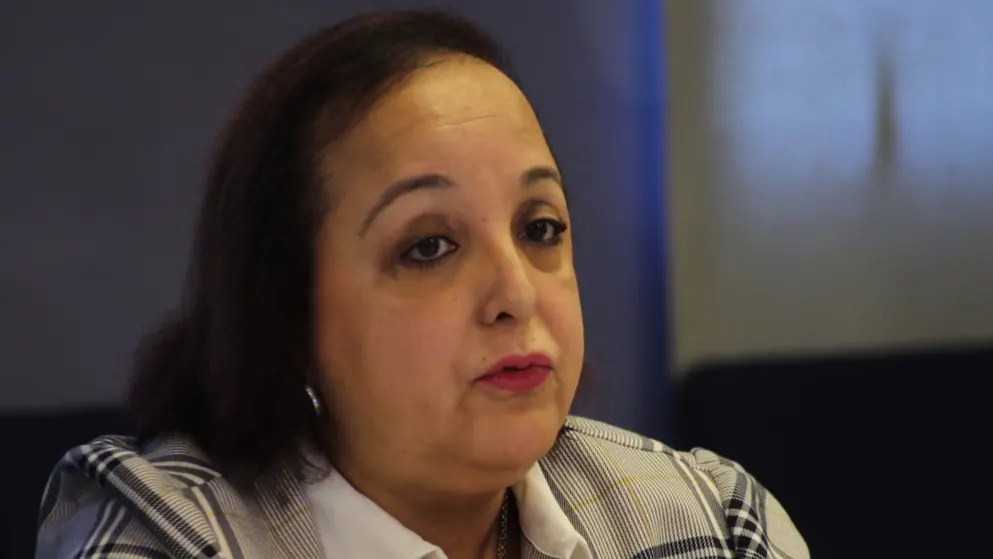
The Moroccan High Authority of Audiovisual Communication (HACA) has published the second part of its study on social media and political communication. The study analyzed over 5,000 publications from twelve parliamentary parties and four platforms between January and May 2026. Narjis Rerhaye, president of HACA's working group on regulation and digital media, presented the findings, which highlight a shift in the way social media is used for political mobilization.
According to Rerhaye, the study reveals that having a large audience on social media no longer guarantees mobilization. Instead, the power to mobilize has shifted towards horizontal movements like Gen Z 212. This change suggests that social media platforms are no longer solely dominated by traditional political parties. The study's findings have significant implications for how political communication is approached in Morocco.
The HACA study examined the social media presence of twelve parliamentary parties, providing a comprehensive overview of their online activities. The analysis covered a five-month period, from January to May 2026, and included data from four major social media platforms. By examining such a large dataset, the study was able to identify trends and patterns in how political parties use social media to communicate with their audiences.
Rerhaye's comments suggest that social media has become a more complex and nuanced tool for political communication. Rather than simply relying on a large audience, political actors must now adapt to a changing online landscape. This may involve developing new strategies for engaging with voters and mobilizing support. The study's findings are likely to be of interest to politicians, policymakers, and social media experts in Morocco and beyond.
The HACA study is part of a broader effort to understand the role of social media in shaping public discourse and influencing political outcomes. By examining the relationship between social media and political communication, the study aims to inform regulatory policies and best practices for online engagement. The findings may also have implications for how social media platforms are used in other contexts, such as elections and public campaigns.
Gen Z 212, a horizontal movement mentioned in the study, has been identified as a key player in Morocco's online political landscape. This movement, which is part of a broader global trend, has been able to mobilize support and influence public opinion through social media. The study's findings highlight the importance of understanding and engaging with such movements in order to develop effective online communication strategies.
The HACA study provides valuable insights into the evolving relationship between social media and political communication in Morocco. As the country continues to develop its online infrastructure and social media presence, understanding the dynamics of online engagement will be crucial for politicians, policymakers, and other stakeholders. The study's findings are likely to inform future research and policy initiatives in this area.
Key points
- HACA's study analyzed over 5,000 publications from twelve parliamentary parties and four platforms between January and May 2026.
- The study found that audience size on social media no longer guarantees mobilization, with horizontal movements like Gen Z 212 gaining influence.
- The findings have significant implications for how political communication is approached in Morocco, highlighting the need for new strategies to engage with voters and mobilize support online.