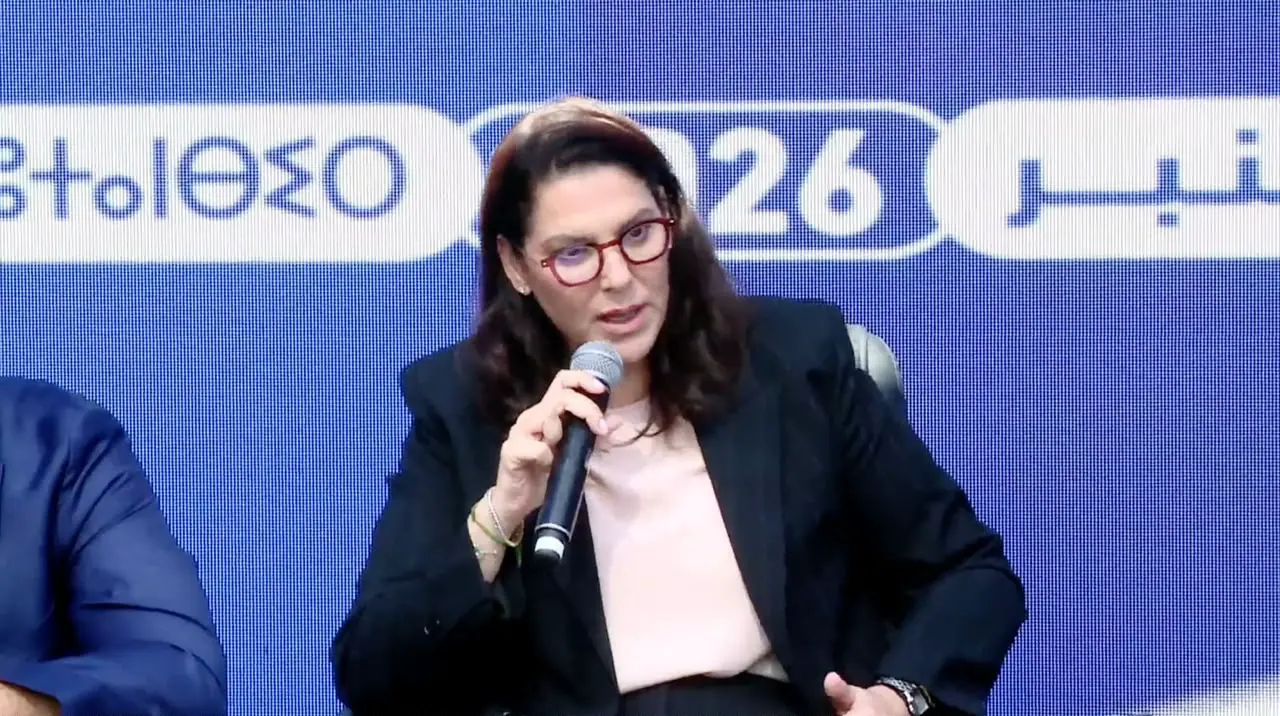
Morocco's designated Prime Minister, Fatima Zahra El Mansouri, is set to start talks with party leaders to form a new government. El Mansouri's first meeting is with Mohamed Shoki, leader of the National Rally of Independents (RNI), which came second in the recent legislative elections with 66 seats. The RNI also led the previous government coalition. However, the meeting is shrouded in uncertainty due to reported reservations within the RNI about potential coalition partners.
The RNI is reportedly not keen on joining forces with some parties that have expressed interest in forming a coalition. This has caused unease within the party, with some leaders expressing their reluctance to join the coalition. On the other hand, the RNI has welcomed the possibility of working with parties from the Democratic Bloc, including the Independence Party, the Socialist Union of Popular Forces, and the Party of Progress and Socialism.
The Independence Party, which secured 65 seats in the elections, has decided to participate in the new government. The party has authorized its Secretary-General, Nizar Baraka, to negotiate with El Mansouri. The Socialist Union of Popular Forces, which obtained 26 seats, is also a strong contender to join the coalition. The party's Political Bureau has entrusted its First Secretary, Idris Lachkar, and the President of the National Council to negotiate with El Mansouri.
The Party of Progress and Socialism, which secured 19 seats, appears to be on the verge of joining the coalition. According to a party source, the party's Central Committee is expected to meet to discuss the matter. The party is likely to authorize its Secretary-General, Mohamed Nabil Benabdallah, to negotiate with the RNI. However, the party has set a red line, refusing to work with the RNI.
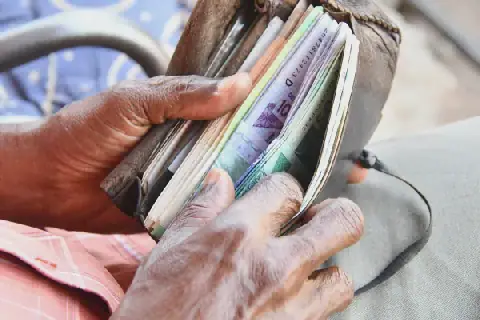
As government formation talks continue, the National Union of Consumer Associations has released a memorandum outlining 10 recommendations to protect purchasing power. The recommendations include establishing a national price observatory, combating speculation and intermediation, and promoting transparency in the fuel sector. The union has also called for temporary solutions to support an anticipatory public policy that protects vulnerable groups.
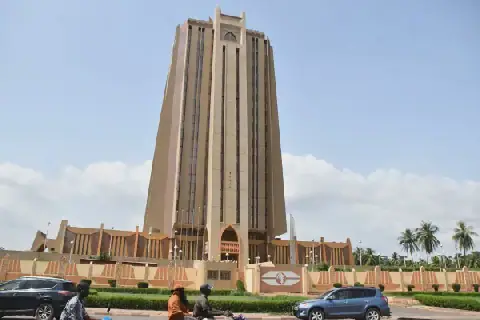
Meanwhile, the Governor of the Central Bank of Morocco, Abdellatif Jouahri, and the Governor of the Central Bank of the United Arab Emirates, Khalid Mohamed Balama, have signed two memoranda of understanding. The agreements aim to enhance banking supervision and Islamic finance, as well as link payment and financial messaging systems.
The new government's formation is being closely watched, with various stakeholders eager to see the coalition take shape. The government's priorities will likely include addressing economic challenges and protecting the purchasing power of Moroccans. With several parties involved in the negotiations, reaching a consensus will require careful balancing of interests.
Key points
- El Mansouri begins talks with party leaders to form a new government.
- The RNI faces internal unease over potential coalition partners.
- The Independence Party, Socialist Union of Popular Forces, and Party of Progress and Socialism are likely to join the coalition.