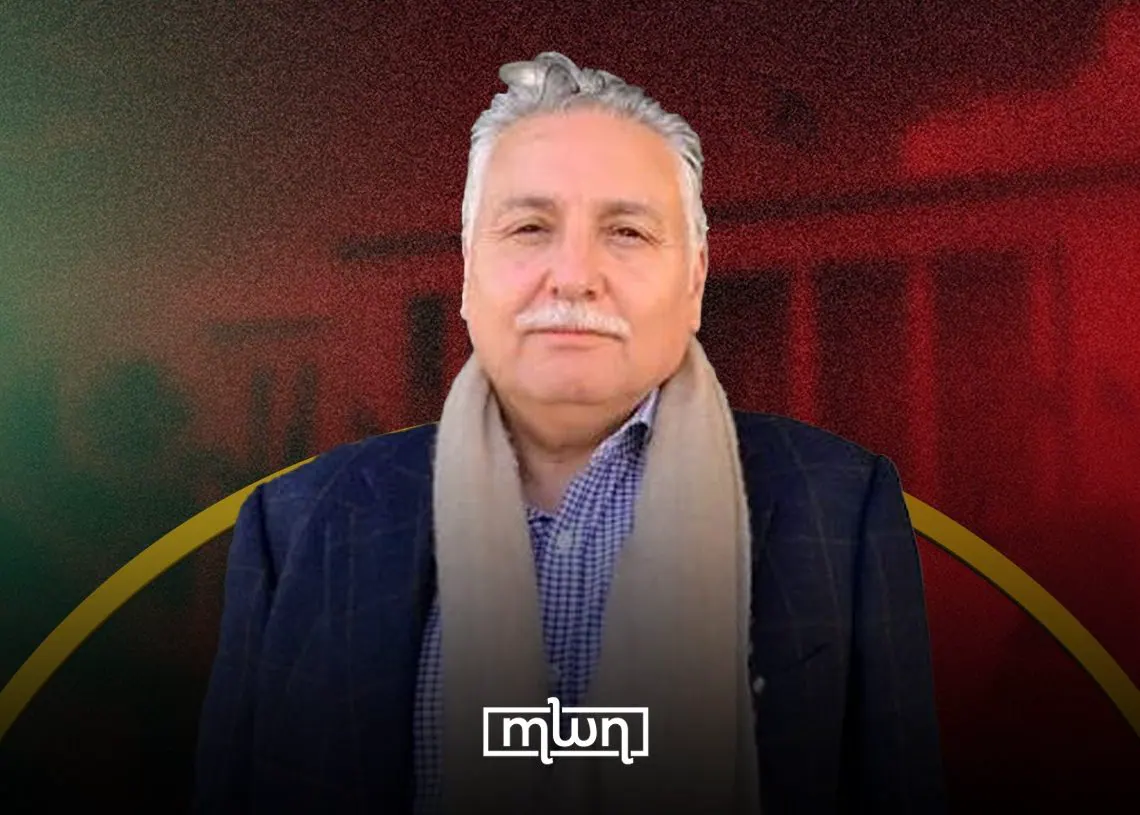
Morocco's Head of Government, Fatima Ezzahra El Mansouri, is continuing her consultations with various political parties as she works to form a government coalition following the legislative elections. El Mansouri's task comes after the Authenticity and Modernity Party (PAM) won the most seats in the elections, which took place on September 23. She has met with several leaders from different parties, including Mohamed Nabil Benabdallah, Secretary General of the Party of Progress and Socialism (PPS).
Benabdallah stated that his party has not yet made a decision on its political position, leaving open the possibility of either joining the government coalition or remaining in the opposition. The PPS secured 19 seats in the legislative elections. Other parties, such as the National Rally of Independents (RNI) and Al Istiqlal Party, won 66 and 65 seats, respectively. The Justice and Development Party (PJD) won 54 seats, while the Popular Movement and the Socialist Union of Popular Forces (USFP) secured 29 and 26 seats, respectively.
According to Benabdallah, the PPS has been engaged in internal discussions since the elections, but a final decision on its position has yet to be made. The party is considering the positions of other national political parties and will continue its internal discussions before adopting a stance. Benabdallah emphasized the significance of El Mansouri's appointment as Head of Government, highlighting her historic role as Morocco's first-ever female head of government.
El Mansouri's appointment has elicited mixed reactions, with some viewing it as a significant step for women's empowerment and others questioning her suitability for the position given her affiliation with PAM. PAM has faced scrutiny and criticism for its governance in the past. Nabila Mounib, a member of the Political Bureau of the Unified Socialist Party (PSU), expressed concerns about PAM's record in government management and raised questions about the party's election victory.
Mounib cited alleged irregularities during the electoral process, stating that she had "no idea how PAM won the elections." Her comments reflect some of the controversy surrounding the election results. Despite these concerns, El Mansouri will continue her dialogue with all other political parties as she works to form a government coalition.
The formation of a government coalition is a critical step in Morocco's post-election process. El Mansouri's efforts to build a coalition will involve appointing high-level officials and secretaries in the next phase. Her success in forming a coalition will depend on her ability to navigate the complex landscape of Moroccan politics and build consensus among various parties.
As El Mansouri continues her consultations, the PPS will likely play a crucial role in determining the composition of the government coalition. With 19 seats, the PPS has significant influence, and its decision will be closely watched by other parties and observers. The outcome of these discussions will shape the future of Morocco's government and its policies.
Key points
- The Party of Progress and Socialism (PPS) has not yet made a decision on whether to join the government coalition or remain in the opposition.
- Morocco's Head of Government, Fatima Ezzahra El Mansouri, continues consultations with political parties to form a cabinet coalition.
- El Mansouri's appointment as Head of Government has elicited mixed reactions, with some viewing it as a significant step for women's empowerment and others questioning her suitability for the position.