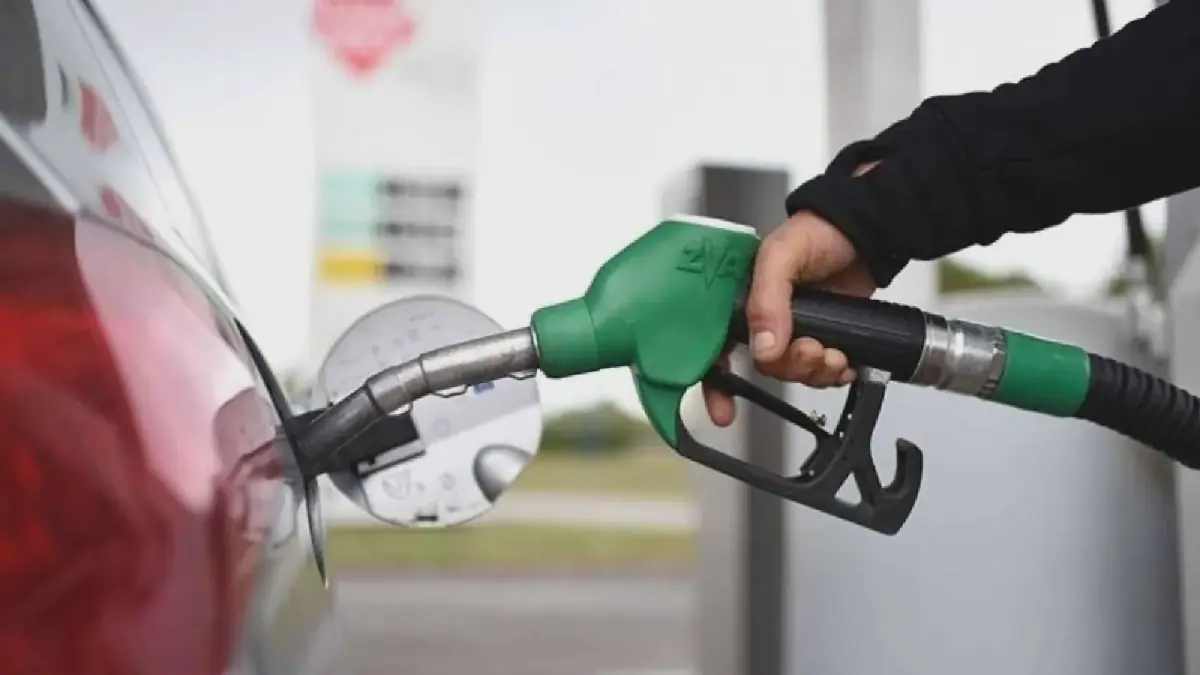
Morocco's fuel prices have reached record highs, with the price of a liter of diesel fuel reaching nearly 17 dirhams. The increase has had a significant impact on the country's economy, with many industries and citizens feeling the effects of the rising costs. The government has been under pressure to address the issue, with many calling for a cap on fuel prices or a reduction in taxes.
The government has responded to the crisis by allocating a 400 million dirham financial envelope to support transport professionals. The support is aimed at helping professionals in the transport sector cope with the rising fuel costs and maintain their services. The move is seen as a temporary solution to the problem, with many experts calling for a more comprehensive approach to address the root causes of the issue.
One of the main causes of the rising fuel prices is the conflict in the Middle East, which has led to an increase in the global price of oil. The situation is further complicated by the fact that Morocco relies heavily on imported fuel, which makes it vulnerable to fluctuations in the global market. Experts say that the country's dependence on imported fuel is a major factor contributing to the high fuel prices.
The government has been urged to consider alternative solutions, such as restarting the Samir oil refinery, which has been closed for several years. The refinery's closure has forced Morocco to rely on imported fuel, which has contributed to the high prices. However, experts say that restarting the refinery is not a straightforward solution, as it would require significant investment and would not necessarily lead to lower fuel prices.
Another solution that has been proposed is the imposition of a cap on fuel prices. However, experts say that this approach has its own set of challenges, as it could lead to shortages and black market sales. The government has also been urged to consider reducing taxes on fuel, which would help to lower prices. However, this approach would also have implications for the government's revenue.
The issue of fuel prices has become a major concern for many Moroccans, who are feeling the pinch of the rising costs. The government has been urged to take a comprehensive approach to address the issue, which would involve a combination of short-term and long-term measures. The goal is to find a solution that would help to stabilize fuel prices and provide relief to citizens and businesses.
The debate on fuel prices is ongoing, with different stakeholders proposing different solutions. While some argue that the government should cap fuel prices or reduce taxes, others say that the market should be allowed to determine prices. The government has promised to continue monitoring the situation and to take steps to mitigate the impact of rising fuel prices on citizens and businesses.
Key points
- The government has allocated a 400 million dirham financial envelope to support transport professionals affected by the rising fuel prices.
- Morocco's fuel prices have reached record highs, with the price of a liter of diesel fuel reaching nearly 17 dirhams.
- Experts say that the country's dependence on imported fuel is a major factor contributing to the high fuel prices.
Reporting sources
- بين دعوات التسقيف وإعادة التكرير وتشبت الحكومة بدعم المهنيين..إلى أين تسير المحروقات ؟ · Al Ahdath Al Maghribia