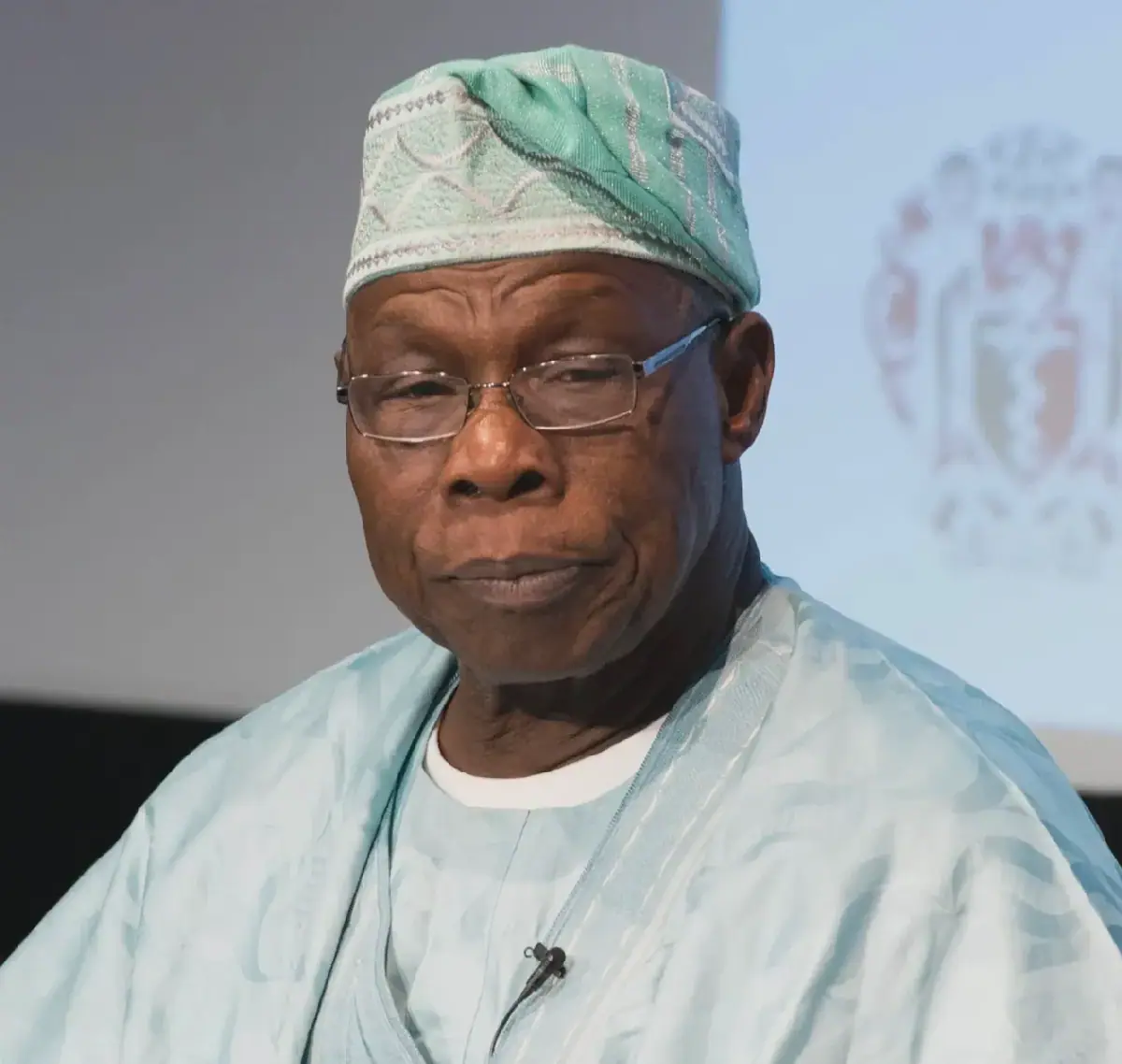
Former President Olusegun Obasanjo has called for urgent action to address Nigeria's worsening insecurity, unemployment, and poverty. He stated that leadership failures are forcing citizens to seek better opportunities abroad, often through dangerous migration routes. Obasanjo made these remarks during a panel session at the Creative Africa Nexus Weekend 2026 in Lagos State. The session was themed "Lest We Forget" and was organized by the African Export-Import Bank.
Obasanjo reflected on Nigeria's security situation since independence and emphasized that the country must confront governance failures responsible for declining safety and economic opportunities. He recalled his experience returning to Nigeria in 1959 after completing his military training in Britain, where he could travel freely across the country without fear of attacks or kidnapping. In contrast, he expressed concern about the current security situation, questioning how Nigeria had deteriorated to the point where citizens could no longer travel safely across several parts of the country.
The former president argued that unemployment, particularly among university graduates, had become a major source of economic desperation. This desperation makes it difficult to discourage young Africans from leaving their countries in search of opportunities. Obasanjo emphasized that governments cannot continue producing graduates without creating sufficient employment opportunities and expect them to remain economically productive. He shared an encounter with Nigerians arrested for drug-related offences, highlighting how economic hardship could push otherwise productive individuals towards desperate decisions.
Obasanjo also addressed irregular migration, describing the experiences of Africans who attempted to reach Europe through the Sahara Desert and the Mediterranean Sea as distressing. He stated that improving governance and creating economic opportunities would reduce the pressure on Africans to undertake life-threatening journeys abroad. The former president maintained that what any person wants in the world is to have a better life, but if they have nothing in their home country, they will look for opportunities elsewhere.
Obasanjo placed substantial responsibility for Africa's underdevelopment on its political leadership. He advocated for greater freedom of movement across Africa, disclosing discussions with Ghanaian President John Mahama on a proposal to eliminate visa requirements among approximately 25 African countries. The initiative would initially involve countries already operating visa-on-arrival arrangements, with the possibility of expanding the framework across the continent.
The former president also criticized the limited recognition of the African passport and urged African governments to grant automatic citizenship to people of African descent seeking to return to the continent. Obasanjo called for greater unity among Africans and people of African descent worldwide, stressing that historical divisions must not prevent cooperation towards shared prosperity. He emphasized that African countries must strengthen their leadership, expand economic opportunities, and deepen continental integration to overcome the challenges confronting their citizens.
The session, which also featured former Prime Minister of St Vincent and the Grenadines, Dr Ralph Gonsalves, and Jamaican scholar, Prof. Paulette Ramsay, examined African identity, slavery, colonialism, reparations, and the need for stronger connections between Africa and its diaspora. The speakers called for reparatory justice over the trans-Atlantic slave trade and colonialism, arguing that historical exploitation continued to affect the continent's development.
Key points
- Obasanjo blames leadership failures for Nigeria's insecurity, unemployment, and poverty.
- The former president advocates for greater freedom of movement across Africa.
- Obasanjo calls for reparatory justice over the trans-Atlantic slave trade and colonialism.
Reporting sources
- Obasanjo faults leadership for Nigerians deadly migration · InfoGiant FM