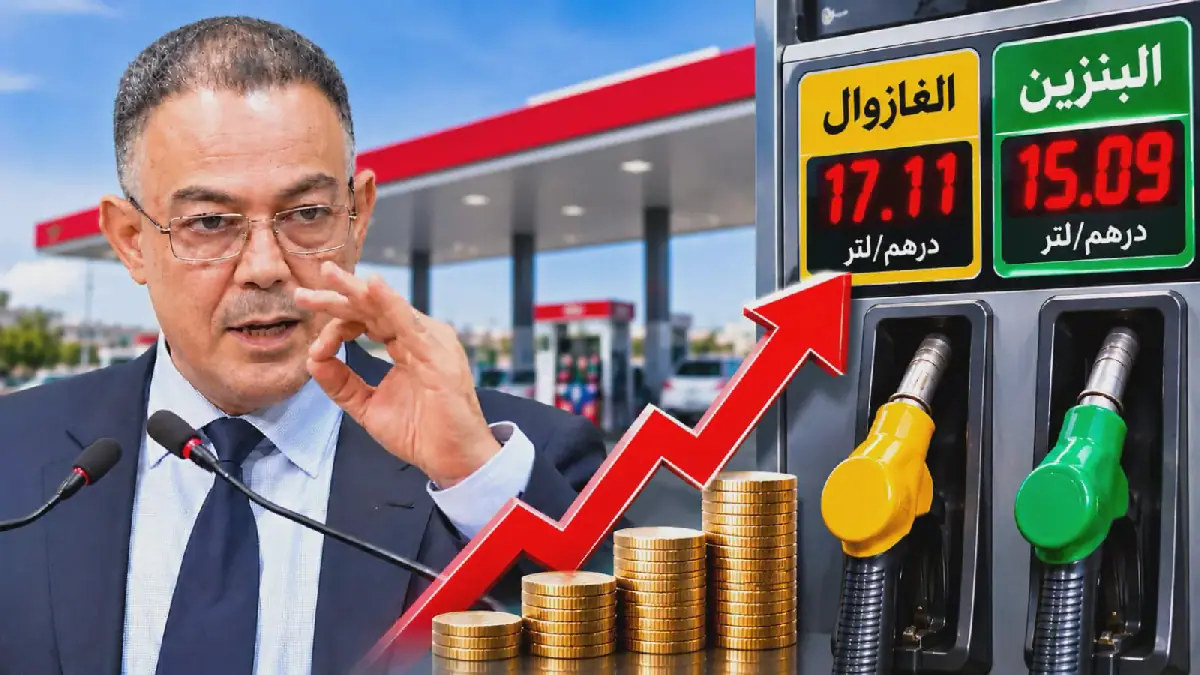
Morocco's Minister of Economy and Finance, Fouzi Lekjaa, has stated that reinstating subsidies for fuel, known as the "compensation system," is not a viable option. During a discussion of the 2027 finance bill, Lekjaa estimated that reviving subsidies would cost the state budget between 50 and 70 billion dirhams annually. He argued that allocating these funds to hospitals and public services would be more beneficial than providing universal subsidies that primarily benefit the wealthy.
Lekjaa highlighted the financial performance of Morocco's fuel companies, citing a 2025 revenue of approximately 131 billion dirhams and a profit margin of 5.85%. This represents a decrease from 2017, when the profit margin was 8.6%. He also emphasized the risks associated with importing fuel, including international price fluctuations, storage costs, and distribution expenses. These factors contribute to the complexities of managing fuel prices in Morocco.
The debate surrounding fuel price management in Morocco extends beyond the question of subsidies. Regulating profit margins for fuel companies is a potential alternative that has garnered attention. This approach would involve setting a cap on the profit margins of fuel distributors, allowing them to cover their costs while ensuring a reasonable return on investment. By doing so, the government could mitigate the impact of rising fuel prices on consumers without incurring the direct costs associated with subsidies.
Several countries have implemented regulations on fuel profit margins, providing valuable precedents for Morocco. In Belgium, for instance, the government has established a maximum gross distribution margin for fuel companies. Similarly, France has introduced regulations to limit profit margins for fuel sales in certain overseas territories. Canada's Prince Edward Island also has a regulatory body that oversees and sets profit margins for fuel companies. These examples demonstrate that regulating profit margins can be an effective tool in managing fuel prices.
Rising fuel prices have far-reaching consequences for Morocco's economy, affecting not only consumers but also producers and the overall cost of living. As fuel is a critical input for various sectors, including transportation, agriculture, and industry, its price fluctuations can have a ripple effect throughout the economy. Therefore, addressing the issue of fuel prices requires a comprehensive approach that considers both the short-term needs of consumers and the long-term implications for the economy.
To effectively manage fuel prices, Morocco's government may need to adopt a multi-faceted strategy that incorporates both regulatory and market-based mechanisms. This could involve setting profit margin caps, enhancing competition in the fuel sector, and investing in storage infrastructure. By promoting transparency and accountability in the fuel market, the government can help ensure that consumers are protected from unfair pricing practices while also encouraging investment and competition in the sector.
Ultimately, finding a solution to Morocco's fuel price conundrum will require careful consideration of various factors, including the potential impact on consumers, businesses, and the broader economy. By exploring a range of options and engaging in informed dialogue, the government can develop a policy framework that balances the needs of different stakeholders and promotes sustainable economic growth.
Key points
- Regulating fuel profit margins is a potential alternative to subsidies.
- International precedents for regulating fuel profit margins exist.
- A comprehensive approach is needed to address the issue of fuel prices in Morocco.