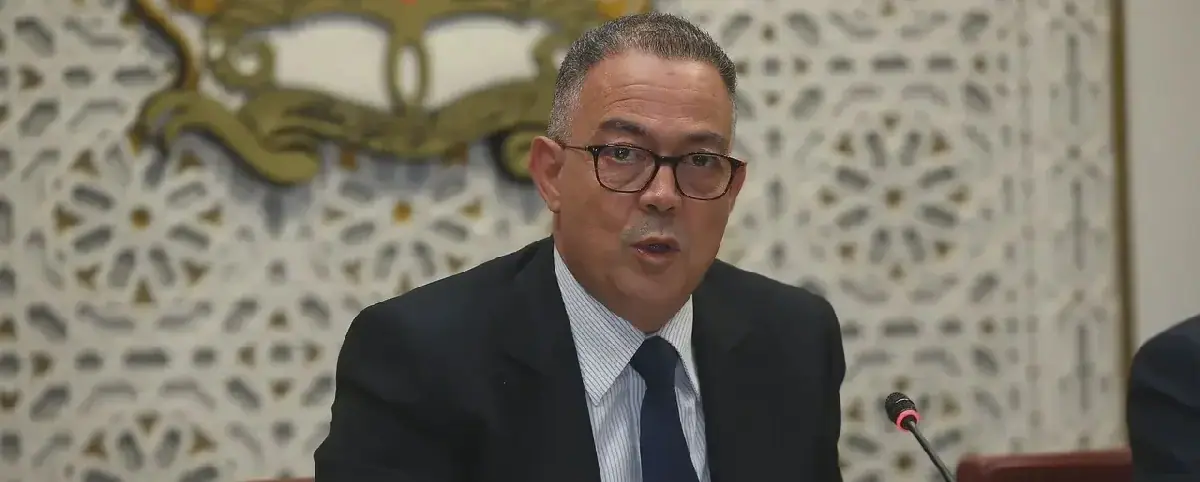
Morocco's Finance Minister Fouzi Lekjaa has stated that the government will not reinstate subsidized fuels, a move that would cost between 50 and 70 billion dirhams annually. Lekjaa made this announcement before the finance and economic development committee of the House of Representatives, which is examining the draft finance bill. He emphasized that a generalized and untargeted support mechanism would primarily benefit high-income categories and large consumers.
Lekjaa argued that reinstating subsidized fuels would not achieve social justice and would not protect the intended vulnerable groups. He called for a truthful approach and denounced demagoguery. The minister also downplayed the impact of abolishing the internal consumption tax, which would only reduce fuel prices by about 1.20 dirhams per liter. He highlighted that the sector's turnover is projected to reach 131 billion dirhams in 2025, with a profit margin of around 5.85%, lower than the 2017 peak.
Lekjaa outlined three priorities: completing the conditions for free competition, increasing storage capacities for energy security, and gradually separating import and distribution activities. He expressed skepticism about the strategic value of refining, citing that it does not guarantee lower local prices, especially when oil prices exceed $100 per barrel. The minister is open to public-private partnerships or investments, Moroccan or foreign, to revive the Mohammedia refinery, emphasizing that its value lies in its infrastructure, useful for strategic stockpiling.
The announcement comes three days after a 80-centime to 1-dirham increase in diesel fuel prices per liter. This move follows a request from the Mediterranean Fisheries Chamber to the head of government to urgently study capping marine diesel prices. However, no specific measures for transporters or fishermen were announced during the committee meeting. Lekjaa's stance indicates a cautious approach to fuel pricing and subsidy allocation.
Lekjaa's comments reflect a careful balancing act between economic realities and social needs. The government's reluctance to reinstate fuel subsidies is driven by concerns about the financial burden and the ineffectiveness of such measures in targeting support to those who need it most. The minister's emphasis on competition, storage capacity, and infrastructure development suggests a long-term strategy for managing fuel supplies and prices.
The decision has implications for various sectors, including transportation and fishing, which have been affected by rising fuel costs. While the government has not announced specific relief measures for these sectors, Lekjaa's focus on energy security and strategic stockpiling may help mitigate some of the impacts. The minister's openness to partnerships for the Mohammedia refinery could also lead to new investment opportunities.
As Morocco navigates the complexities of fuel pricing and subsidy policies, the government's approach will be closely watched by various stakeholders, including businesses, consumers, and industry groups. The Finance Minister's commitment to a truthful approach and his rejection of demagoguery suggest a determination to make tough decisions, even if they are unpopular, in pursuit of economic stability and social justice.
Key points
- Morocco's Finance Minister Fouzi Lekjaa rejects reinstating subsidized fuels due to high costs and inefficiency.
- The government outlines priorities for energy security, including increasing storage capacities and separating import and distribution activities.
- No specific measures were announced for transporters or fishermen affected by rising fuel costs.
Reporting sources
- Lekjaa ferme la porte au retour des carburants compensés · La Nouvelle Tribune