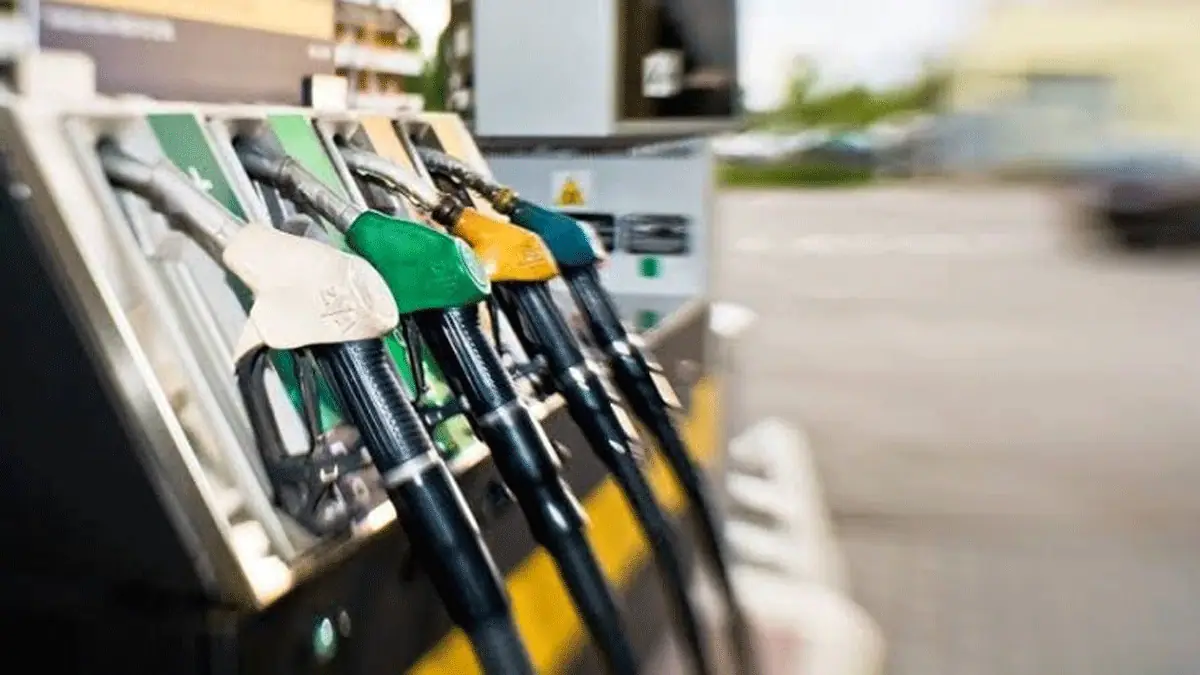
Morocco's energy bill has increased significantly in the first half of 2026, with imports of energy and lubricants reaching 68.58 billion dirhams. This represents a 28.9% rise from the 53.19 billion dirhams recorded in the same period last year. The surge is attributed to a substantial increase in the cost of diesel and fuel oil, which are the main contributors to the country's energy expenses.
The cost of diesel and fuel oil imports rose from 24.78 billion dirhams to 35.85 billion dirhams, a 44.7% increase. These two products now account for 52.27% of Morocco's total energy bill. The rising energy costs are putting additional pressure on the country's trade deficit, which stood at 198.38 billion dirhams at the end of June 2026, up 23.5% from the previous year.
The International Energy Agency (IEA) has highlighted the vulnerability of several economies, including Morocco, that are heavily reliant on hydrocarbon imports. The agency notes that the country's monthly import bill for petroleum and gas has increased by around 66% between January and June 2026, reaching 4.8 billion dollars. This underscores the need for Morocco to develop its renewable energy sector to reduce its dependence on international markets.
The IEA's analysis, published on November 3, examined the situation in Morocco, Tunisia, Egypt, and Lebanon. The report emphasized the importance of developing national renewable energy sources to mitigate the impact of rising fuel costs. For Morocco, diversifying its electricity generation and reducing its reliance on fossil fuels can help improve its resilience to fluctuations in global energy markets.
However, the transition to renewable energy will not immediately eliminate Morocco's need for fossil fuels in transportation and industry. The country still faces significant challenges in reducing its petroleum consumption and improving the competitiveness of its businesses. The government's efforts to promote renewable energy and reduce energy costs will be crucial in addressing these challenges.
The rising energy costs are also likely to have a ripple effect on the economy, particularly for businesses that rely heavily on imported fuels. The impact on prices will depend on the terms of supply contracts and the ability of operators to absorb these additional costs. The government will need to carefully manage the situation to mitigate the effects on the economy and industry.
In the first half of 2026, Morocco's energy bill increased by 15.39 billion dirhams, with diesel and fuel oil accounting for the bulk of this rise. The country's reliance on imported fuels remains a significant challenge, and the development of renewable energy sources will be essential in reducing this dependence and improving the country's resilience to fluctuations in global energy markets.
Key points
- Morocco's energy imports reached 68.58 billion dirhams in the first six months of 2026, a 28.9% increase from the same period last year.
- The country's reliance on imported diesel and fuel oil increased, with these products accounting for 52.27% of the total energy bill.
- The International Energy Agency has emphasized the need for Morocco to develop its renewable energy sector to reduce its dependence on international markets.