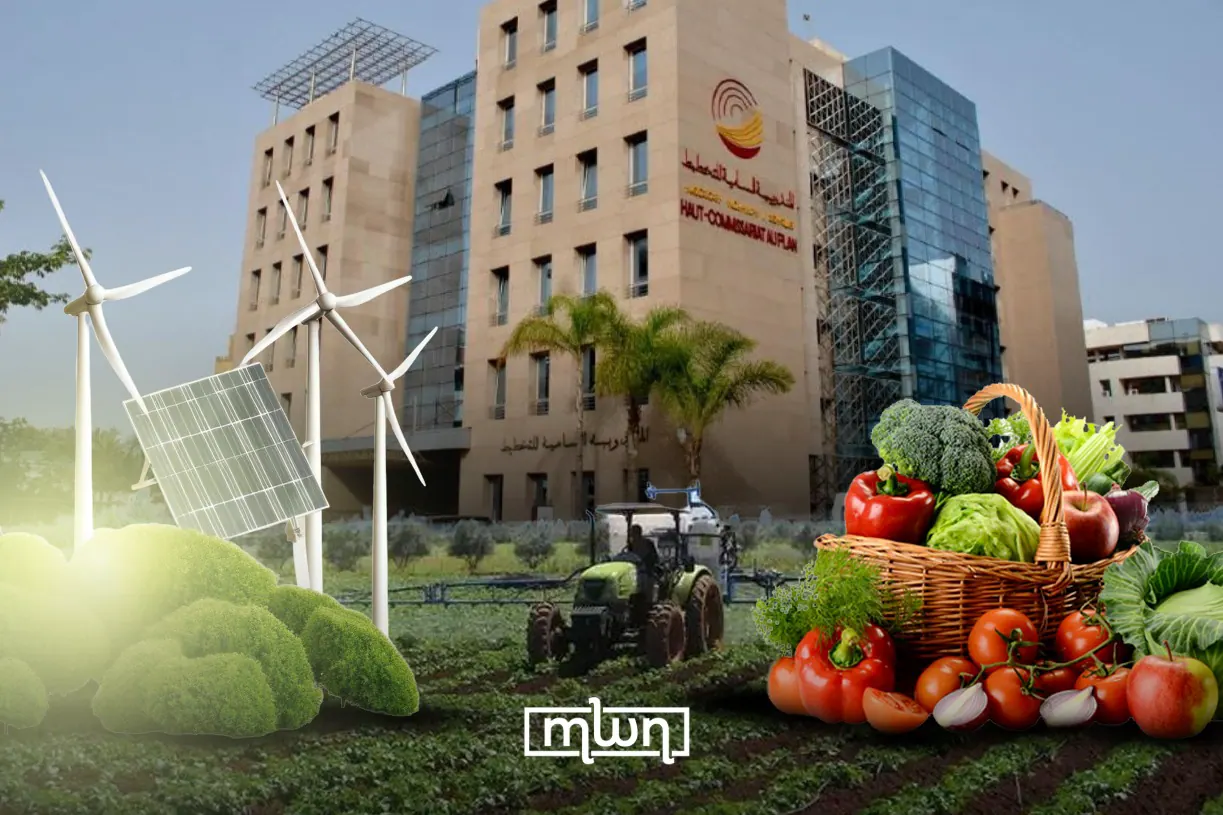
Morocco's consumer prices rose 0.8% in August from the previous month, driven by increases in fuel and food prices, according to the High Commission for Planning (HCP). The HCP reported that food prices increased by 0.9% and non-food prices climbed 0.7% over the month. This monthly increase was observed across various cities in Morocco, with Al Hoceima recording the largest rise at 1.6%, followed by Agadir at 1.4%.
Within the food category, fish and seafood, as well as milk, cheese, and eggs, recorded the sharpest increases at 2.8% each. Meat prices rose 2.2%, vegetable prices increased 1%, while coffee, tea, and cocoa prices edged up 0.3%. However, fruit prices declined by 1.9% from July. In the non-food category, fuel prices accounted for the main increase, rising 9.8% over the month.
The monthly increase in consumer prices varied across cities, with Tetouan, Safi, and Beni Mellal each recording a 1.2% increase, while Oujda rose 1.1% and Fez 1%. Tangier registered a 0.9% increase, and Rabat, Settat, and Errachidia each recorded a 0.8% rise. Marrakech, Meknes, Laayoune, Dakhla, and Guelmim saw prices increase by 0.6%, while Casablanca and Kenitra posted the lowest monthly rise at 0.5%.
Despite the monthly increase, consumer prices were 0.3% lower in August compared to the same month in 2025. The annual decline largely reflected lower food prices, which fell 3.9% over the year. Non-food prices, however, rose 2.5%. Within the non-food category, transport recorded the strongest annual increase at 7.3%.
A separate measure of underlying inflation, which excludes products with volatile prices and those subject to public tariffs, rose 0.2% from July and 0.1% from August 2025. This suggests that underlying inflation remains relatively stable. The HCP's data also showed that communication prices were the only category with an annual decline of 0.2%.
The latest figures point to a divergence between short-term and annual price trends. Monthly inflation picked up in August, largely due to higher fuel and food costs, while consumer prices remained slightly below their level a year earlier. This trend is likely to be closely monitored by policymakers and economists.
The increase in consumer prices in August may have implications for the country's economic outlook. With fuel prices rising 9.8% over the month, the impact on inflation is likely to be significant. The HCP's data provides valuable insights into the country's economic trends, and the figures will likely be used to inform policy decisions.
Key points
- Morocco's consumer prices rose 0.8% in August due to higher fuel and food prices.
- Food prices increased by 0.9% and non-food prices climbed 0.7% over the month.
- Despite the monthly increase, consumer prices were 0.3% lower in August compared to the same month in 2025.