The Moroccan automotive sector, driven by factories from Renault and Stellantis in Tanger and Kénitra, is reeling from the impact of a new European Union legislation aimed at reindustrializing the continent. This legislation, known as the "Made in Europe" pact, seeks to prioritize goods manufactured within the EU, offering advantages and easier access to subsidies and public markets for local products.
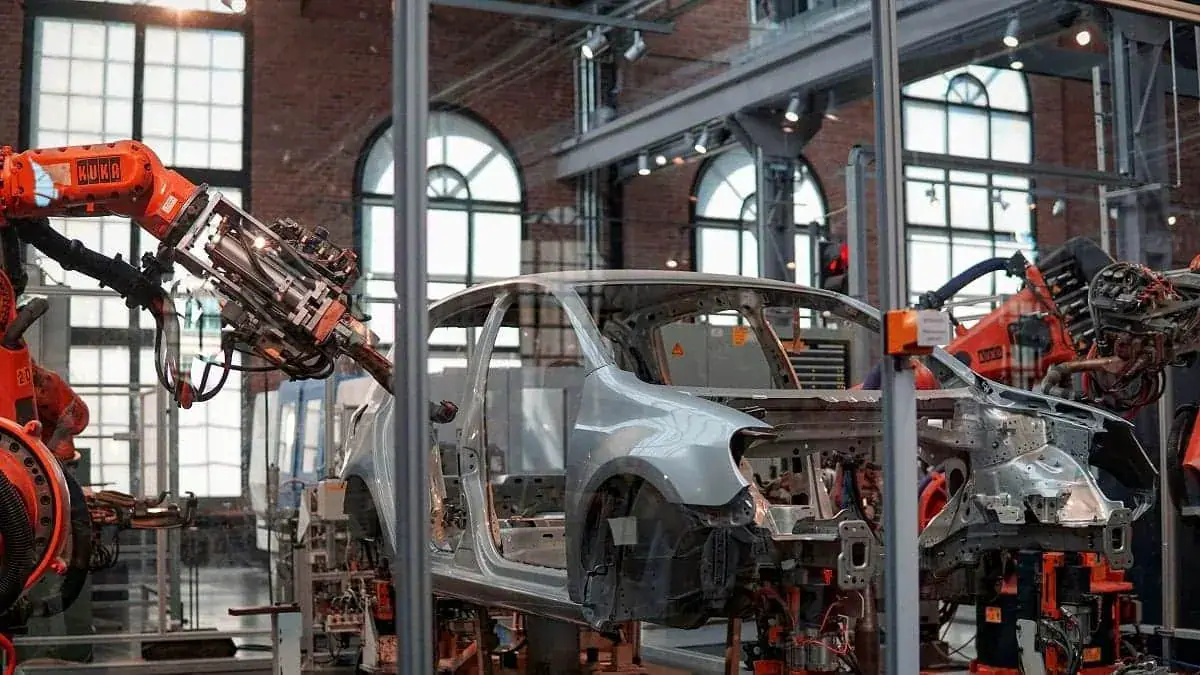
The Moroccan government is expressing concerns over the potential consequences of this pact, which could render vehicles and components produced in Morocco less competitive. As the industry is heavily export-oriented due to the limited size of Morocco's domestic market, this new policy may lead to a significant decline in the sector's fortunes. Furthermore, with the EU opting for the robotization of its automotive industry, Morocco's unique comparative advantage – lower labor costs – may be neutralized.
According to Ryad Mezzour, Morocco's Minister of Industry, the country's industry risks losing its competitive edge due to the EU's new policies. This has already led to some investors reconsidering their plans, with certain projects initially intended for Morocco being redirected to European sites. While existing investments and ongoing projects are expected to prevent an immediate disruption, the long-term outlook for the sector's attractiveness to new investors appears uncertain.
In response to the EU's stance, Morocco is exploring alternative alliances and partnerships to mitigate the potential impact on its automotive sector. Mezzour has openly expressed concerns about the nature of Morocco's relationship with the EU, describing the new pact as an "aggressive act" towards Morocco. The Moroccan government is seeking to diversify its markets and partnerships, potentially leading to new alliances that could offset the losses from reduced cooperation with the EU.
The EU's decision to exclude Morocco from the new industrial pact has significant implications for the country's economy, which is heavily reliant on European investments and markets. The automotive sector, employing around 250,000 people and contributing over 7% to Morocco's GDP, is a critical component of the country's industrial landscape. A decline in this sector could have far-reaching consequences for Morocco's economic stability and growth.
The current situation highlights the vulnerabilities of Morocco's industry due to its dependence on external factors, particularly its reliance on European markets and investments. This episode serves as a wake-up call for Morocco to reassess its industrial strategy and explore more diversified partnerships to reduce its exposure to external shocks. The country's experience may also serve as a cautionary tale for other nations with similar economic profiles.
The fallout from the EU's decision has also taken on a political dimension, with Morocco perceiving the move as a snub. The country has historically sought to strengthen its ties with Europe and the West, both economically and diplomatically. The lack of consideration shown by the EU in this instance has raised questions about the depth of Morocco's relationships with its Western partners and its reliance on their goodwill.
Key points
- The EU's new industrial pact may lead to a decline in Morocco's automotive sector, which could have significant economic and employment implications for the country.
- Morocco is seeking to diversify its partnerships and explore new alliances to mitigate the impact of the EU's decision on its automotive sector.
- The situation highlights the vulnerabilities of Morocco's industry due to its dependence on external factors, particularly its reliance on European markets and investments.
Reporting sources
- Industrie automobile : les limites du modèle marocain · tsa-algerie.com