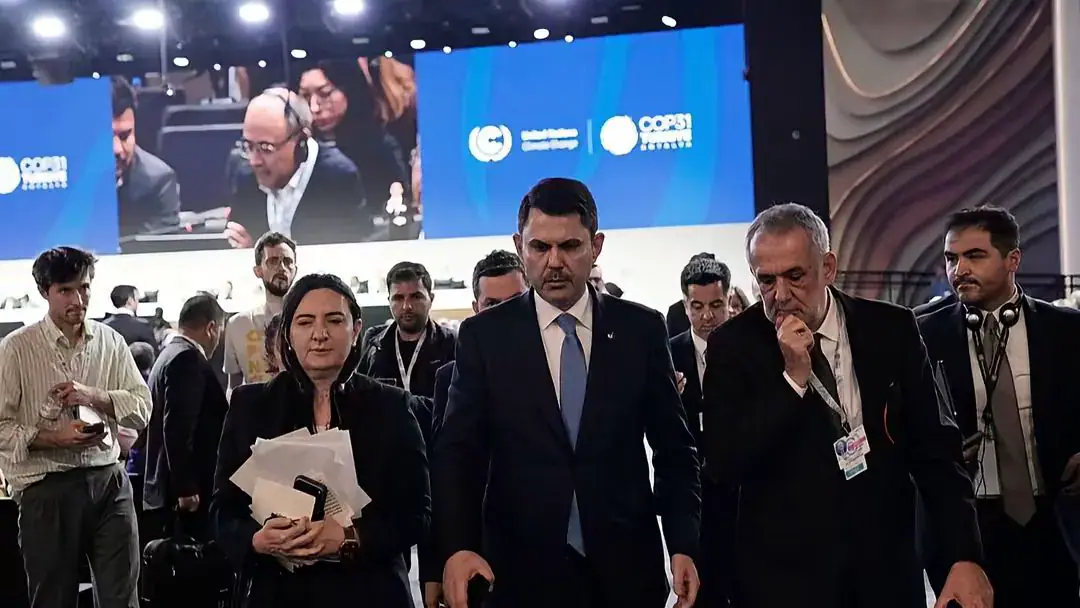
The 31st Conference of the Parties (COP31) to the United Nations Framework Convention on Climate Change concluded on Sunday, November 22, in Antalya, Turkey, without reaching a consensus on a final agreement. The conference, which lasted over two weeks and included a record 49 hours of prolongations, was marked by intense negotiations among participating countries. Despite efforts to reach a deal, parties were unable to agree on a text that addressed the role of fossil fuels in climate change.
The draft final decision, prepared jointly by Turkey and Australia, sparked immediate controversy due to its omission of explicit references to fossil fuels, such as oil, gas, and coal. The document's failure to address the primary cause of global warming drew widespread criticism from countries, including the European Union and Switzerland. These nations rejected the text, citing its inadequacy in addressing the climate crisis.
The collapse of the talks represents a significant setback for international climate diplomacy. Turkish President and COP31 Chair Murat Kurum acknowledged the lack of consensus, stating that certain parties opposed the text and that decisions could not be adopted. The outcome has sparked disappointment and frustration among delegates and observers, who had hoped for a more ambitious agreement.
UN Secretary-General António Guterres expressed his deep disappointment with the outcome, highlighting the failure of governments to rise to the challenge posed by the climate crisis. He voiced his support for civil society, saying that he shared the frustration of those who had expected more from the negotiations. Guterres' comments underscored the urgency of the climate crisis and the need for more effective international cooperation.
The failure of COP31 to produce an agreement has significant implications for global efforts to address climate change. The absence of a clear commitment to reducing fossil fuel emissions and transitioning to renewable energy sources raises concerns about the ability of countries to meet their climate goals. As the impacts of climate change continue to intensify, the need for collective action and cooperation among nations has never been more pressing.
The Turkish-Australian draft decision had been intended to provide a framework for countries to accelerate their efforts to reduce greenhouse gas emissions and mitigate the effects of climate change. However, its shortcomings and the refusal of key countries to endorse it ultimately led to the collapse of the talks. As countries look ahead to future climate negotiations, they will need to find ways to overcome their differences and work towards a more sustainable future.
The outcome of COP31 serves as a reminder of the complexities and challenges involved in international climate negotiations. As the world grapples with the escalating climate crisis, the need for effective and cooperative solutions has become increasingly urgent. The failure of COP31 to produce an agreement underscores the need for countries to redouble their efforts and work towards a more collaborative and sustainable approach to addressing the climate crisis.
Key points
- The COP31 conference ended without an agreement due to disagreements over references to fossil fuels in the final text.