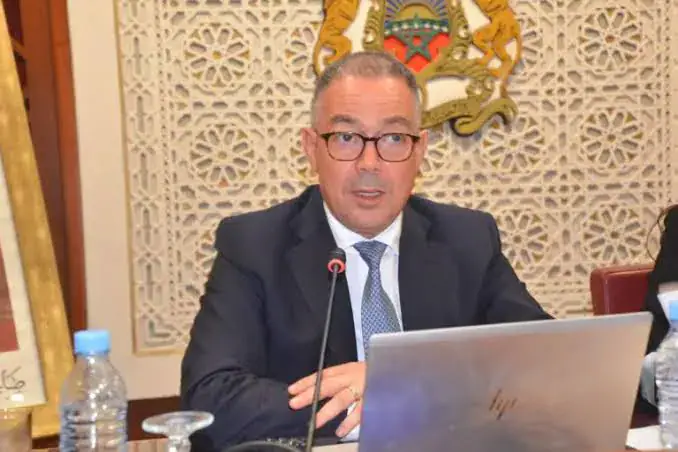
Moroccan Minister of Economy and Finance, Fouzi Lekjaa, has outlined the country's preparations to co-host the 2030 World Cup alongside Spain and Portugal. During a meeting of the House of Representatives' Finance and Economic Development Committee, Lekjaa revealed that Morocco will host matches in six cities: Rabat, Casablanca, Marrakech, Tangier, Agadir, and Fez. The tournament is expected to feature 48 teams and 104 matches.
Lekjaa highlighted that Morocco's preparations involve over 600 sites, including 172 team service centers, 164 training stadiums, 122 hotels, and 72 airports or reception stations. The government aims to leverage the tournament to boost the national economy, with projected investments increasing by 21.2% between 2023 and 2030. The country's GDP is expected to grow by 13.2%, and over 840,000 job opportunities are anticipated across various sectors.
The tourism sector is expected to benefit significantly from the tournament, with projections indicating that Morocco will attract 26 million tourists annually by 2030. The sector's revenue is expected to exceed 156 billion dirhams, and over 158,000 additional jobs are anticipated to be created. Lekjaa also presented exceptional tax and customs measures to support the organization, including temporary exemptions and simplified electronic procedures.
Members of the committee emphasized the need to convert the 2030 World Cup into a national development project that benefits all regions of Morocco, including rural and mountainous areas. They stressed the importance of linking preparations to integrated territorial development programs, accelerating infrastructure projects, and promoting national competitiveness. Committee members also raised questions about the legacy fund, its resources, and its governance.
Lekjaa responded to the concerns, stating that Morocco's goal goes beyond hosting matches or competing for the final match. He emphasized the importance of creating a comprehensive national project that accelerates major projects and develops infrastructure. The minister invited committee members to visit the Ben Slimane stadium to witness its progress.
Lekjaa highlighted the significance of transportation projects, including rail and road networks, in facilitating the movement of fans and teams. He emphasized the importance of ensuring that investments in stadiums contribute to the development of national football and guarantee the sustainability of sports facilities after the tournament.
The 2030 World Cup presents an exceptional national opportunity for Morocco, requiring the mobilization of various institutions and stakeholders. The event is expected to leave a lasting legacy, driving economic and social transformation and modernizing the country's infrastructure.
Key points
- Morocco expects 840,000 job opportunities and significant economic growth from hosting the 2030 World Cup.
- The country is investing in infrastructure, including transportation networks and stadiums, to support the tournament.
- Morocco aims to leverage the tournament to boost its tourism sector, with projections indicating 26 million tourists annually by 2030.