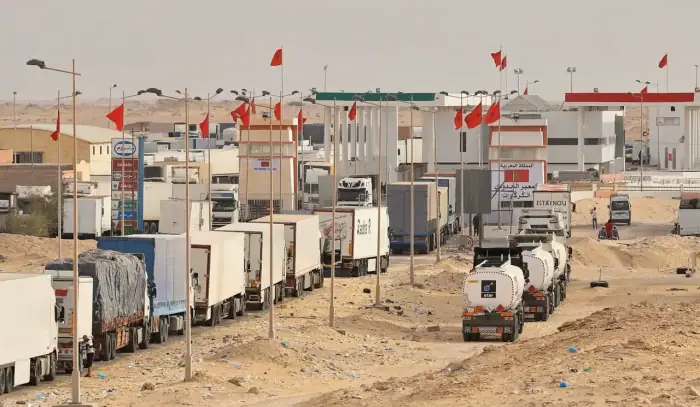
The Moroccan government has implemented measures to restrict the export of certain vegetables to Africa, sparking debate about the balance between protecting the national market and meeting international trade obligations. The restrictions have been imposed on the export of vegetables such as tomatoes and onions, which are in high demand in Morocco. The move is aimed at ensuring a stable supply of these essential commodities in the domestic market.
According to Youssef Krawi Filali, a Moroccan economic analyst, the restrictions are a necessary step to prevent inflation and ensure that Moroccans have access to affordable food. He notes that when there is a shortage of supply, prices tend to rise, and the government's decision to restrict exports is a way to address this issue. Filali emphasizes that the measure is temporary and will be reviewed once the domestic market is stabilized.
The restrictions have raised concerns among African countries that rely on Morocco as a major supplier of vegetables. However, Filali argues that Morocco's national interests must come first, and the country cannot afford to prioritize exports over domestic needs. He notes that some African countries have limited ability to produce their own food, but Morocco must ensure that its citizens have access to essential commodities.
Filali describes the government's decision as a bold and temporary measure that will help to stabilize the domestic market. He emphasizes that the long-term solution to Morocco's food security challenges lies in increasing agricultural productivity and improving the country's ability to meet domestic demand. This, he argues, will enable Morocco to export surplus produce to Africa without compromising its national interests.
The restrictions on vegetable exports have been imposed at a time when Morocco is facing challenges in meeting domestic demand for certain commodities. The country's agricultural sector is also facing challenges related to climate change, water scarcity, and soil degradation. Filali notes that addressing these challenges will require a comprehensive strategy that includes investments in irrigation, agricultural research, and extension services.
The Moroccan government's decision to restrict vegetable exports has sparked debate about the country's trade policies and its obligations to international partners. However, Filali argues that Morocco's national interests must come first, and the country cannot afford to compromise its food security for the sake of international trade agreements. He notes that the restrictions are a temporary measure and will be reviewed once the domestic market is stabilized.
The restrictions on vegetable exports are likely to have a significant impact on Morocco's trade relations with African countries. However, Filali argues that the country's national interests must be protected, and the government must prioritize the needs of its citizens. He notes that once Morocco's domestic market is stabilized, the country can resume exports to Africa in a way that benefits both Morocco and its African partners.
Key points
- Morocco has restricted exports of certain vegetables to Africa to protect its national market and ensure sufficient supply for its citizens.