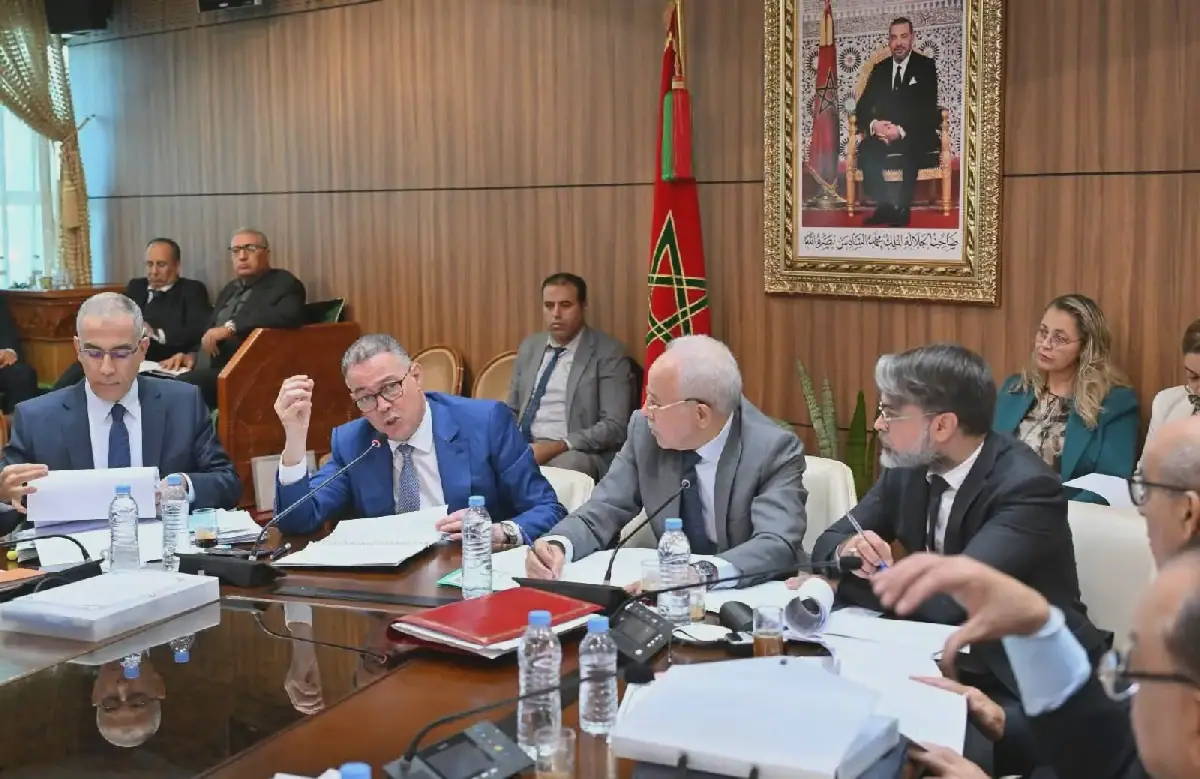
Moroccan Minister of Economy, Finance, and Public Efficiency, Fouzi Lekjaa, announced that the state's real estate management department has addressed the situation of 1,290 properties occupied without legal basis, covering an area of approximately 8,500 hectares. This effort is part of a broader initiative to regularize and protect the state's real estate assets by November 20, 2026. The ministry has made significant progress in increasing the state's real estate portfolio to over 22 million hectares, a rise of 80% compared to 2025.
Lekjaa provided an update on the comprehensive program for managing the state's private property, highlighting that the ministry went beyond just addressing illegal occupations. It also successfully retrieved a total area of 2,639 hectares from investors who failed to meet their contractual obligations. These efforts demonstrate a strong commitment to protecting and optimizing state assets. The minister emphasized that these actions are accompanied by a strong mobilization of real estate resources to support investment and public infrastructure projects.
A significant aspect of the program involves allocating nearly 60,000 hectares for various sectoral activities to implement 211 investment projects. Additionally, 4,400 hectares have been allocated for 107 projects under agricultural partnerships. The ministry has also dedicated 200 hectares for public administrations, with the education and health sectors benefiting by 90%. These allocations underscore the government's efforts to balance asset management with socio-economic development goals.
The government's initiatives also extend to supporting key national projects, such as the "cities without slums" program and providing real estate for social housing. A total of 2,448 hectares have been allocated for industrial acceleration zones and economic activity areas. These strategic allocations aim to stimulate economic growth, improve living standards, and enhance public services.
Lekjaa's announcement reflects a broader strategy to enhance transparency and efficiency in managing state assets. By recovering illegally occupied land and optimizing the use of state property, the government aims to create a more favorable environment for investment and sustainable development. This approach is expected to yield long-term benefits for Morocco's economic and social progress.
The management of state real estate is a critical aspect of Morocco's economic policy, with significant implications for public finances and development projects. The government's efforts to regularize state assets and support strategic investments align with its goals to boost economic growth and improve governance. By prioritizing transparency and efficiency, Morocco aims to attract more investment and enhance its competitiveness.
Moving forward, the success of these initiatives will depend on effective implementation and coordination among various government agencies. The government's commitment to protecting state assets and promoting sustainable development will be crucial in achieving its economic objectives. With continued efforts to optimize state real estate management, Morocco is poised to make significant strides in its development trajectory.
Key points
- Moroccan government recovers 8,500 hectares of state land occupied without legal basis
- State's real estate portfolio increases to over 22 million hectares, up 80% from 2025
- Government allocates 60,000 hectares for sectoral activities and 4,400 hectares for agricultural partnerships