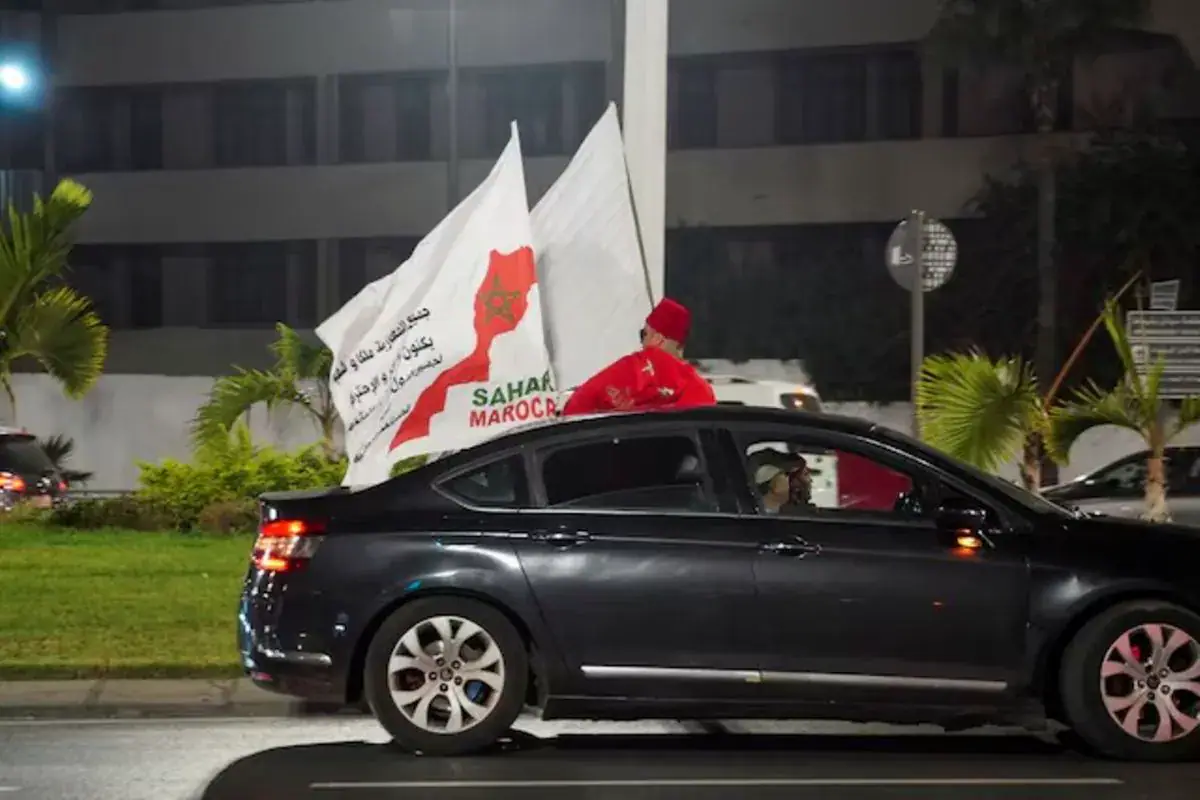
The Royal Palace of Morocco announced on Wednesday that the country will remain committed to the ceasefire in Western Sahara, despite the conclusion of the 35-year-old UN peacekeeping mission in the territory. This commitment was reaffirmed following a meeting chaired by King Mohammed VI with the prime minister, royal adviser, and the army chief. The UN mission ended after the Security Council failed to renew its mandate last week.
The Western Sahara conflict has pitted Morocco, which considers the territory its own, against the Algeria-backed Polisario Front, a political and military organisation seeking a separate state since the departure of former colonial power Spain in 1976. Morocco controls all of Western Sahara's urban centers and coastline, having built a 2,700-kilometer security wall in the 1980s that leaves most of the territory under its control.
The Polisario Front operates east of the security wall, with rear bases in the Tindouf area of southwestern Algeria, where it administers refugee camps. In 2020, the Polisario resumed its "armed struggle" when Morocco took a border crossing with Mauritania. However, the UN describes the conflict as "of low intensity." The end of the UN mission has raised concerns, with the Polisario expressing concern and Algeria expressing "deep regret."
Morocco's Foreign Minister, Nasser Bourita, stated that the next step for Rabat would be to remove Western Sahara from the UN's decolonisation committee, citing support from two-thirds of UN member states. The palace also noted that the end of the UN mission means the withdrawal of the Western Sahara issue from consideration by the Security Council. This development has significant implications for the future of the territory.
The UN mission was established to monitor the ceasefire and facilitate a peaceful resolution to the conflict. However, the palace stated that the mission had proven unable to ensure compliance with the ceasefire and that its initial functions had become outdated. King Mohammed VI has urged vigilance in ensuring "strict respect for the Kingdom's territorial integrity, national security, and the tranquility of its citizens."
The conflict in Western Sahara has been a longstanding issue, with Morocco and the Polisario Front engaging in intermittent fighting and negotiations. The international community has been involved in efforts to resolve the conflict, with the UN playing a key role. The end of the UN mission has raised questions about the future of the territory and the prospects for a peaceful resolution.
The situation in Western Sahara remains uncertain, with the Polisario Front and Algeria expressing concerns about the implications of the UN mission's end. Morocco's commitment to the ceasefire will be closely watched, as will the international community's response to the changing situation on the ground. The issue is likely to remain a key point of contention in the region for the foreseeable future.
Key points
- Morocco has reaffirmed its commitment to the Western Sahara ceasefire despite the end of the UN peacekeeping mission.
- The end of the UN mission has significant implications for the future of Western Sahara and the prospects for a peaceful resolution to the conflict.
- The situation in Western Sahara remains uncertain, with concerns expressed by the Polisario Front and Algeria about the implications of the UN mission's end.