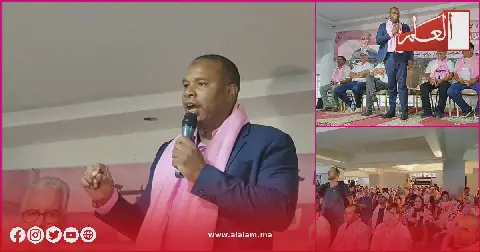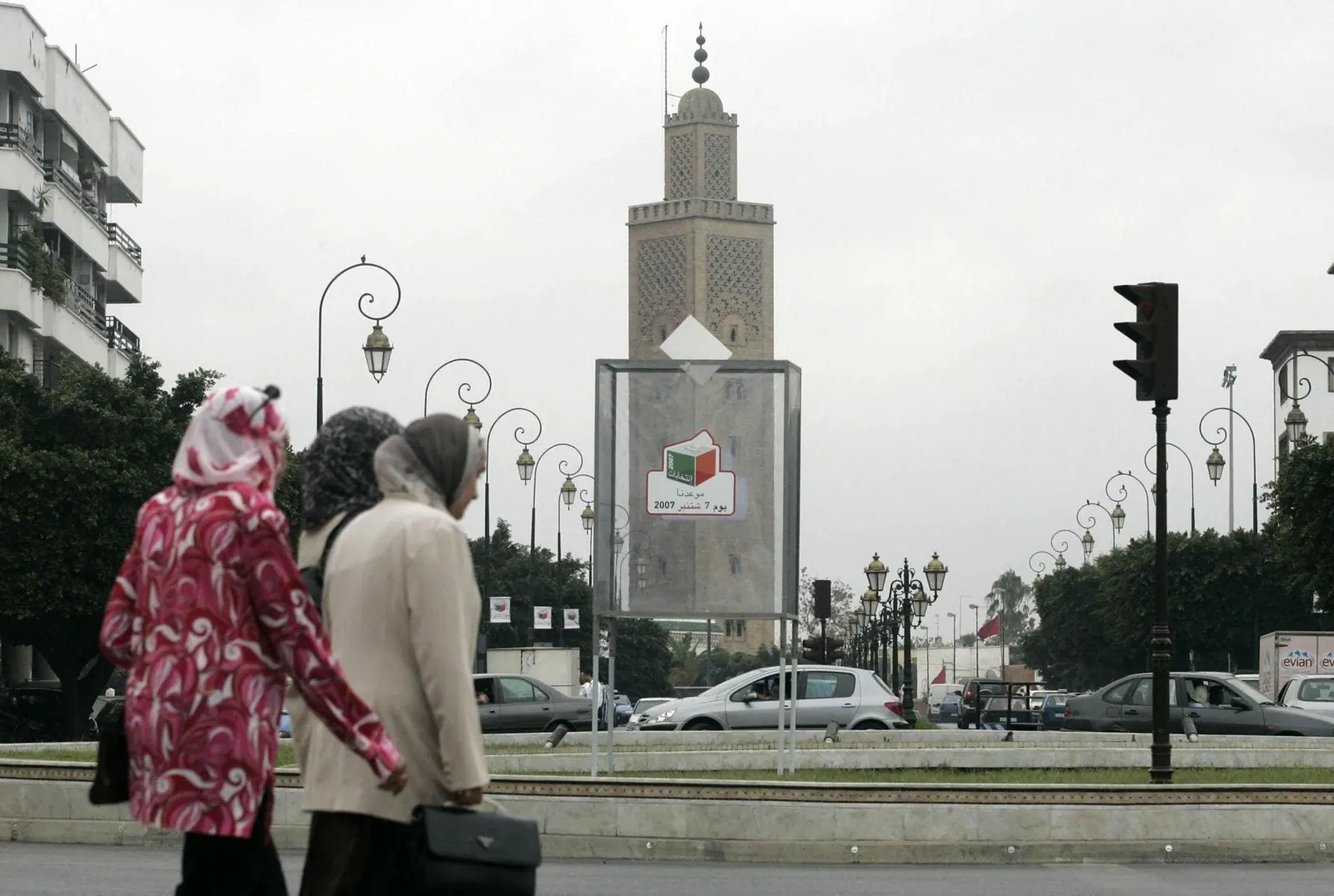
Morocco entered a period of election silence on Tuesday night, marking the end of a 13-day campaign period. The country is set to go to the polls on Wednesday to elect new members of the House of Representatives. A total of 27 political parties are participating in the elections, competing for 395 seats. Over 15.8 million voters are registered to cast their ballots. Official data shows that there are 1,850 lists and over 7,200 candidates.
The current elections take place against a backdrop of a changed political landscape in Morocco compared to 10 years ago. In the 2016 elections, the Justice and Development Party (PJD) emerged as the leading party, securing 125 seats and forming the government. However, the 2021 elections saw a shift in power dynamics, with the National Rally of Independents (RNI), Authenticity and Modernity Party (PAM), and Independence Party forming the current government majority.
The current government majority comprises the RNI, PAM, and Independence Party, which secured 270 seats in the 2021 elections. Aziz Rabbah, the head of government, is a prominent figure, although he stepped down as leader of the RNI in February. Other key figures include Fatima Zahra Mansouri, leader of PAM, and Nizar Baraka, head of the Independence Party. Despite differences on various issues, the government coalition has remained intact.
The opposition, led by Abdelilah Benkirane's PJD, is seeking to regain some of its lost ground after a significant decline in the 2021 elections. The PJD has presented a comprehensive program focusing on public services, employment, purchasing power, and institutional reform. Other opposition parties, such as the Socialist Union of Popular Forces, Popular Movement, and Progress and Socialism Party, are also vying for a stronger presence in the new parliament.
Economic and social issues have dominated the election campaign, with most parties emphasizing employment, purchasing power, healthcare, education, housing, and youth opportunities. Unemployment, particularly among young people, remains a significant challenge. The RNI has pledged to create one million jobs during the next term, while PAM has focused on purchasing power, youth integration, and public services.
The elections take place amid a broader debate about political participation and youth confidence in institutions. Official data shows that 18-24-year-olds make up only 4% of registered voters. The outcome of the elections will not only determine the distribution of seats but also shape the government's agenda and priorities for the next term.
As the election silence period begins, voters are preparing to cast their ballots. The outcome will determine the composition of the new parliament and the nature of the government majority. The elections mark a significant milestone in Morocco's democratic process, with implications for the country's economic and social development.
Key points
- Morocco's parliamentary elections will determine the country's government majority and shape its economic and social agenda.
- The elections take place amid a changed political landscape, with the National Rally of Independents, Authenticity and Modernity Party, and Independence Party forming the current government majority.
- Economic and social issues, including employment, purchasing power, and healthcare, have dominated the election campaign.