The Moroccan government has announced plans to overhaul its social aid targeting system, shifting the focus from a socio-economic index to a system based on household disposable income. This change is part of the 2027 finance bill and aims to reduce inclusion and exclusion errors in social aid distribution. The new system will rely on a global social income declaration. The socio-economic index will remain a complementary tool during the transitional period due to concerns over the reliability of income data.
The reform includes several adjustments to ensure a smoother transition. Occasional or seasonal incomes will be considered, preventing temporary income variations from automatically disqualifying households from aid. Eligibility will be reinstated in cases of involuntary job loss without a minimum duration of non-declaration to the National Social Security Fund. Additionally, an exceptional bonus will be provided for those accessing declared employment, encouraging the resumption of work without penalizing it.
The minimum monthly allocation is set to increase from 500 to 600 dirhams in 2027, with a planned trajectory to reach 1,000 dirhams. Furthermore, a second increase in child-related benefits is anticipated, as per decree 2.23.1067. These changes reflect the government's efforts to enhance the social aid system's effectiveness and responsiveness to the needs of Moroccan households.
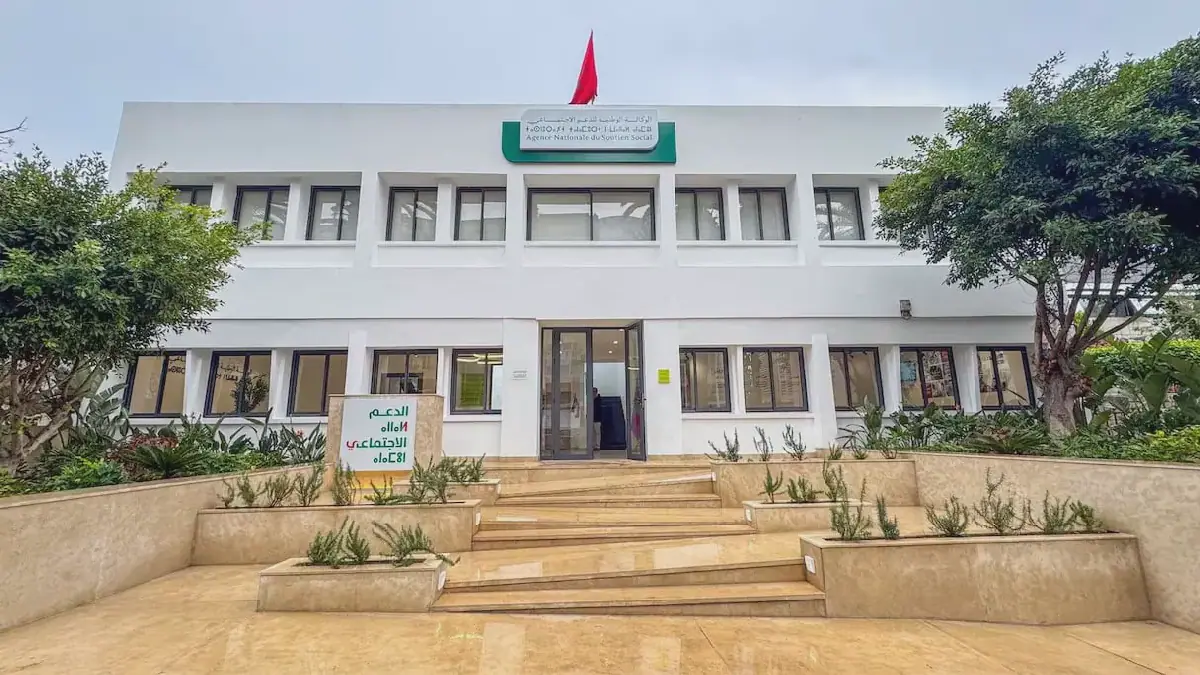
The institutional aspect of the reform involves transferring the management of the social aid system to the National Social Support Agency. This agency will take over the functions previously handled by the National Social Security Fund and the National Retirement and Insurance Fund. This restructuring aims to streamline the administration of social aid and improve its delivery to eligible households.
The implementation of the new system will be accompanied by technological advancements. By December, the information systems will migrate to a sovereign infrastructure. Additionally, virtual assistance based on artificial intelligence and electronic submission of justificatory documents are slated for 2027. The government also plans to open representations in Sidi Kacem and Taounate by the end of the year to enhance accessibility.
The reform also includes plans for territorial experiments in health, schooling, and access to the job market. These experiments aim to tailor the social aid system to specific regional needs and challenges. However, the timeline for the generalization of the global social income declaration and the exact number of households affected by the revised targeting have not been specified.
The changes are designed to make the social aid system more equitable and efficient. By focusing on disposable income, the government aims to better target aid to those who need it most. The success of these reforms will depend on their implementation and the government's ability to address any challenges that arise during the transition period.
Key points
- The new system will focus on household disposable income to reduce errors in social aid distribution.
- The minimum monthly allocation will increase to 600 dirhams in 2027, with a target of 1,000 dirhams.
- The National Social Support Agency will manage the social aid system, streamlining administration and delivery.