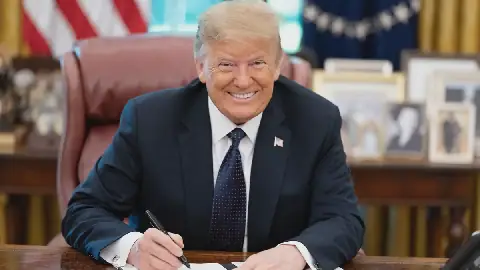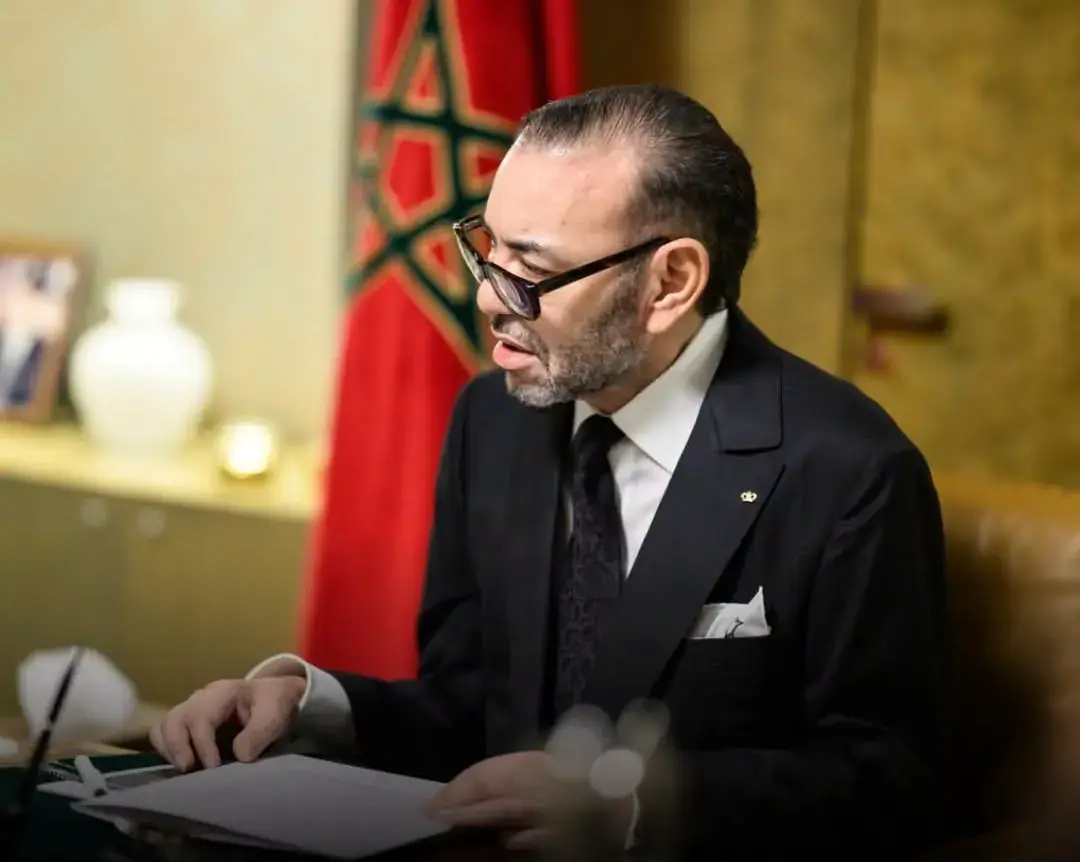
Morocco's diplomatic landscape has undergone a significant transformation under the leadership of King Mohammed VI. The monarch's strategic vision has elevated the country's international standing, earning respect and consideration from global powers. In Washington, Morocco is viewed as a top strategic partner, while in Paris, London, Berlin, Beijing, and Moscow, it remains a key interlocutor. This international esteem is not based on narrow national interests but rather on Morocco's strategic approach, which prioritizes stability, continuity, and credibility.
The Moroccan monarchy has successfully adapted to the changing nature of power in today's world. King Mohammed VI has overseen a significant shift in Morocco's diplomatic approach, prioritizing economic and strategic partnerships. By leveraging its geographic location at the intersection of Europe and Africa, Morocco aims to convert its advantages into economic, logistical, and energy strengths. This approach has allowed Morocco to navigate complex international relationships while maintaining its core interests.
The Western Sahara issue has been a defining aspect of Morocco's diplomacy, with the country maintaining a consistent stance over several decades. Morocco's strategy, based on patience, realism, and cohesive positions, has yielded significant results. The UN Security Council's Resolution 2797 marked a crucial turning point, as it endorsed Morocco's autonomy proposal as the basis for negotiations. This development has far-reaching implications, as it recognizes the legitimacy of Morocco's approach and opens the door to a potential solution.
The autonomy proposal, championed by Morocco, is not aimed at marginalizing the Sahrawi population but rather at creating a framework for their participation and representation. The plan seeks to empower the Sahrawi people to manage their affairs, ensure their inclusion, and foster economic and social development. By prioritizing human development and economic growth, Morocco's approach offers a promising vision for the region's future.
Algeria's response to Morocco's diplomatic efforts will be crucial in shaping the future of the region. While Morocco is not seeking confrontation, it is determined to defend its sovereignty and interests. King Mohammed VI has extended an olive branch to Algeria on multiple occasions, demonstrating Morocco's commitment to peaceful coexistence. Algeria's leadership must now weigh its options and consider a new approach, one that prioritizes national interests and constructive engagement with its neighbors.
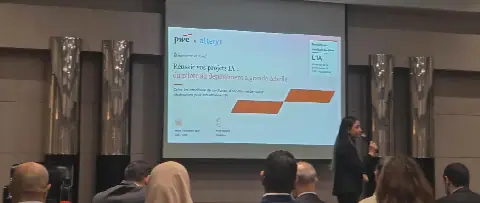
The recent international meeting in Benghazi, co-chaired by Morocco's Director-General of External Intelligence, Yasine Mansouri, exemplifies Morocco's diplomatic strengths. The gathering brought together 43 delegations, showcasing Morocco's ability to combine political dialogue, strategic vision, and security cooperation. This comprehensive approach underscores Morocco's commitment to regional stability and cooperation.
As Morocco continues to navigate the complexities of international relations, its commitment to democratic values and national unity remains unwavering. The appointment of Fatima Zahra Mansouri as the country's first female prime minister reflects Morocco's dedication to constitutional continuity and respect for institutional legitimacy. With its strong institutions, cohesive vision, and commitment to peace, Morocco is poised to maintain its positive trajectory and contribute to regional stability.
Key points
- Morocco's diplomatic efforts have earned it a reputation as a stable and reliable partner on the international stage.
- The country's autonomy proposal for Western Sahara offers a promising framework for regional development and cooperation.
- Algeria's leadership must now consider a new approach, one that prioritizes national interests and constructive engagement with its neighbors.