Morocco joined the global community on October 5 to celebrate World Teachers' Day, an occasion that sparked reflection on the country's education system and the challenges faced by its teachers. The day is an opportunity to acknowledge the crucial role teachers play in shaping the future of the nation. As the world grapples with a shortage of teachers, with UNESCO estimating a need for tens of millions more by 2030, Morocco is focusing on improving the training and working conditions of its educators.
The theme of this year's World Teachers' Day is particularly significant for Morocco, as it coincides with the 60th anniversary of a UNESCO and International Labor Organization recommendation on teacher status and working conditions. The occasion has prompted calls for a comprehensive review of the country's education system, with a focus on teacher training, support, and resources. According to experts, the quality of education is closely tied to the quality of teacher training, and Morocco is no exception.
In Morocco, the training of teachers is a critical issue, with many arguing that the current system is inadequate. The process of becoming a teacher typically begins with a university degree, followed by a competitive exam and a brief training period. However, this training is often limited, and many new teachers are left to navigate the challenges of the classroom with minimal support. The Moroccan Ministry of National Education has recognized the need for improvement, organizing a national meeting in June to discuss ways to enhance teacher training.
One of the key challenges facing Moroccan teachers is the need to balance academic knowledge with pedagogical skills. While a university degree is essential, it is not sufficient on its own to prepare teachers for the demands of the classroom. In countries like Finland, France, and Singapore, teacher training is more comprehensive, with a strong emphasis on practical experience and ongoing support. Morocco can learn from these examples, but it must also consider its unique cultural and educational context.
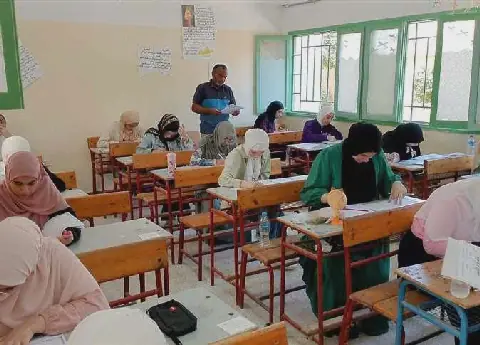
The Moroccan education system is also grappling with issues of teacher workload, class size, and resource allocation. Teachers are often expected to manage large classes, deal with diverse student needs, and implement new curricula and technologies. These challenges can be overwhelming, particularly for new teachers who may not have received adequate training or support. To address these issues, the government may need to invest in additional resources, such as teacher aides, technology, and infrastructure.
Another critical aspect of teacher development in Morocco is ongoing training and support. While initial training is essential, it is not enough to prepare teachers for the complexities of the classroom. Ongoing professional development can help teachers stay up-to-date with best practices, new technologies, and changing student needs. However, this training must be carefully designed to avoid overburdening teachers or duplicating efforts.
As Morocco looks to the future, it is clear that the country needs a comprehensive approach to teacher development, one that prioritizes high-quality training, ongoing support, and adequate resources. By investing in its teachers, Morocco can build a stronger education system, one that prepares students for success in an increasingly complex and interconnected world. On World Teachers' Day, Morocco has an opportunity to reflect on its progress and commit to making meaningful changes.
Key points
- Morocco needs to improve teacher training and working conditions to address the country's education challenges.
- The country can learn from international best practices in teacher training and development.
- Ongoing professional development is essential for Moroccan teachers to stay up-to-date with best practices and changing student needs.