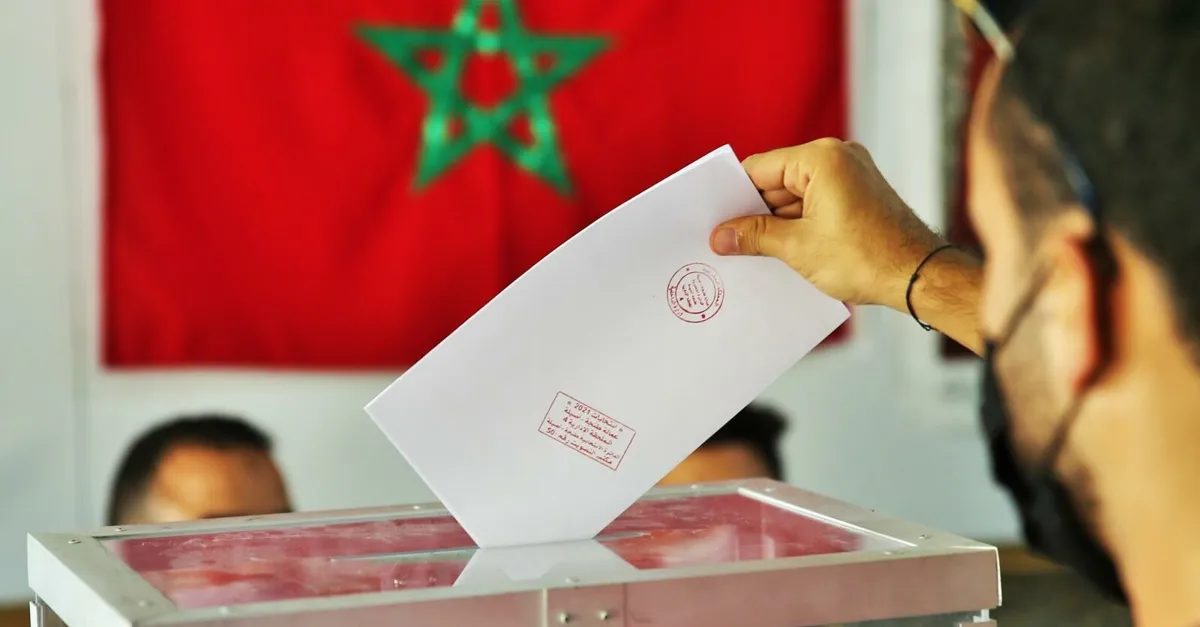
The campaign period for Morocco's 2026 legislative elections concluded, marking the beginning of the voting process across the country. A total of 27 parties and independent lists are participating in the elections, which will see 395 seats contested in the House of Representatives. The elections are taking place in 92 constituencies covering the entire Moroccan territory. This year's campaign has seen a notable shift towards digital platforms, with candidates increasingly using social media and online networks to reach voters.
According to Nسرين رمضاني, a reporter for Al-Qahera News from Rabat, the final day of campaigning was marked by relative calm on the streets, with the focus shifting to online campaigning. The move towards digital campaigning reflects a changing approach to political competition in Morocco. Candidates are now leveraging social media platforms to engage with voters and promote their campaigns, a departure from traditional campaign methods.
The elections feature a range of high-profile political leaders, including current and former ministers. Over 270 current MPs are seeking re-election, aiming to retain their seats in the House of Representatives. Notable figures competing in the elections include محمد شوقي, leader of the National Rally of Independents, who is running to succeed Aziz Akhannouch as head of government. Other prominent candidates include نزار بركة, leader of the Independence Party and Minister of Equipment, and المهدي بنسعيد and فاطمة الزهراء المنصوري from the Authenticity and Modernity Party.
The elections are also seeing the participation of other prominent politicians, including إدريس لشكر, leader of the Socialist Union of Popular Forces. With a large number of candidates vying for seats, the competition is expected to be intense. Voters will have the opportunity to choose from a diverse range of candidates, representing various political parties and independent lists.
The outcome of the elections will have significant implications for Morocco's political landscape. The new parliament will play a crucial role in shaping the country's future, particularly in areas such as economic development, social reform, and foreign policy. With a high level of interest in the elections, Moroccans are expected to turn out in large numbers to cast their votes.
The use of digital platforms has become increasingly important in Moroccan politics, allowing candidates to reach a wider audience and engage with voters more effectively. This shift towards online campaigning is likely to continue in future elections, reflecting changing attitudes towards politics and technology in Morocco.
The elections are being closely watched by observers, both domestically and internationally. The voting process will take place over several days, with results expected to be announced shortly after the polls close. The new parliament will be formed once the results are confirmed, marking the beginning of a new legislative term in Morocco.
Key points
- Over 270 current MPs are seeking re-election in the 2026 legislative elections.