Morocco has embarked on a new strategy to develop its defense industry by leveraging its existing civilian industrial sectors. The goal is to create a dual-use industry that can serve both civilian and military purposes. This initiative, dubbed the "Offre Maroc," aims to capitalize on the country's existing industrial capabilities to produce defense and security products. The strategy involves identifying priority industrial sectors that can be adapted for dual-use applications.
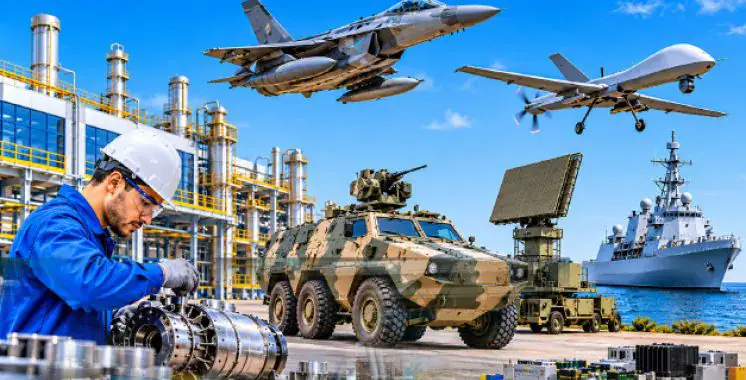
The Moroccan government has identified key areas of focus for the dual-use industry, including drones and autonomous systems, terrestrial and naval systems, defense electronics, cybersecurity, and artificial intelligence. These sectors are considered crucial for the country's defense and security needs. The government aims to create an integrated industrial ecosystem that covers the entire value chain of defense and security industries. This will involve design, production, maintenance, testing, and storage.
The concept of dual-use industry is not new, and many countries have already adopted this approach. France, for example, has allocated €300 million to support the development of dual-use industries. The French government recognizes the importance of dual-use technologies in enhancing national sovereignty and security. Morocco is following suit, seeking to replicate the success of its civilian industries in the defense sector.
Several international companies with a presence in Morocco have already expressed interest in developing dual-use technologies. Renault and Thales, for instance, have partnered to produce a prototype of a multi-role civilian vehicle that can be transformed into a tactical vehicle for military use. The vehicle, called 4 TROOP, is equipped with advanced technologies, including secure communication systems, connectivity, and artificial intelligence.
The development of dual-use industries in Morocco is expected to have a positive impact on the country's economy and defense capabilities. By leveraging its existing industrial base, Morocco can reduce its reliance on foreign suppliers and enhance its sovereignty in the defense sector. The government is working closely with industry stakeholders to ensure the success of this initiative.
Morocco's move into dual-use industries is part of a broader trend among countries to enhance their defense and security capabilities through innovative technologies. The use of drones, autonomous systems, and artificial intelligence is becoming increasingly prevalent in modern warfare. By investing in these areas, Morocco aims to stay ahead of emerging threats and maintain its national security.
As Morocco continues to develop its dual-use industries, it is likely to face challenges and opportunities. The country will need to balance its defense needs with civilian requirements, ensuring that the development of dual-use technologies benefits both sectors. With careful planning and collaboration between government and industry stakeholders, Morocco can successfully establish itself as a player in the global defense industry.
Key points
- Morocco aims to develop dual-use industries to enhance its defense and security capabilities.
- The country's strategy involves leveraging existing civilian industrial sectors to produce defense and security products.
- Morocco has identified key areas of focus, including drones, autonomous systems, and artificial intelligence.
Reporting sources
- Défense : Le Maroc se lance dans l’industrie duale · Aujourd'hui Le Maroc