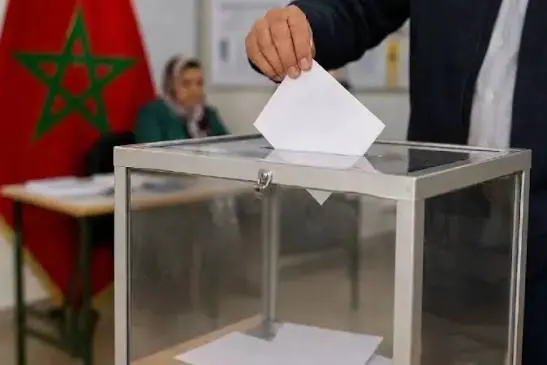
As Morocco's legislative elections commenced, the country's electoral law came into effect, outlining significant penalties for actions that compromise the integrity of the voting process. These measures aim to protect the freedom of voters and ensure the secrecy of their choices. The law specifically criminalizes voting more than once, using an illegal electoral register, or impersonating a voter, with penalties including imprisonment and fines tailored to the nature of the offense.
The legislation also prohibits bringing mobile phones, photographic equipment, and audio-visual communication devices into polling stations, with sanctions for those who breach this ban. Furthermore, the law addresses actions that threaten or attempt to influence voters and candidates, or obstruct the voting process. This includes using gatherings or threatening demonstrations to disrupt the election, as well as certain acts carried out through digital platforms and social networks.
In a demonstration of the law's enforcement, the public prosecutor in Tangier initiated a judicial investigation into a case involving a "bag of electoral documents." This move underscores the authorities' commitment to upholding electoral integrity. The legal framework imposes stricter penalties for offenses that involve violence or are part of a broader plan to influence the elections on a large scale.
Particularly serious violations, such as tampering with ballot boxes and voting papers, attract severe penalties. These can include destroying or altering ballot papers, or seizing ballot boxes before they are opened and counted. For such offenses, the law prescribes prison sentences ranging from five to ten years. In certain specified circumstances, depending on the nature of the acts and the context in which they were committed, the penalty can be as high as 20 years of imprisonment.
The Moroccan government has emphasized that these measures are essential for safeguarding the democratic process. By deterring electoral malpractices, the authorities aim to enhance public trust in the electoral system. The legislation reflects a broader effort to ensure that elections are conducted fairly and transparently, in line with international standards and best practices.
The enforcement of these penalties has already begun, with legal actions being taken against individuals and groups suspected of electoral irregularities. This proactive approach is seen as a critical step towards strengthening Morocco's democratic institutions and ensuring that the voice of the electorate is accurately represented.
As the electoral process continues, the focus remains on the implementation of these legal provisions to guarantee a free and fair election. The government's commitment to addressing electoral violations underscores its dedication to democratic principles and the rule of law.
Key points
- The law imposes penalties of up to 20 years in prison for serious electoral offenses.