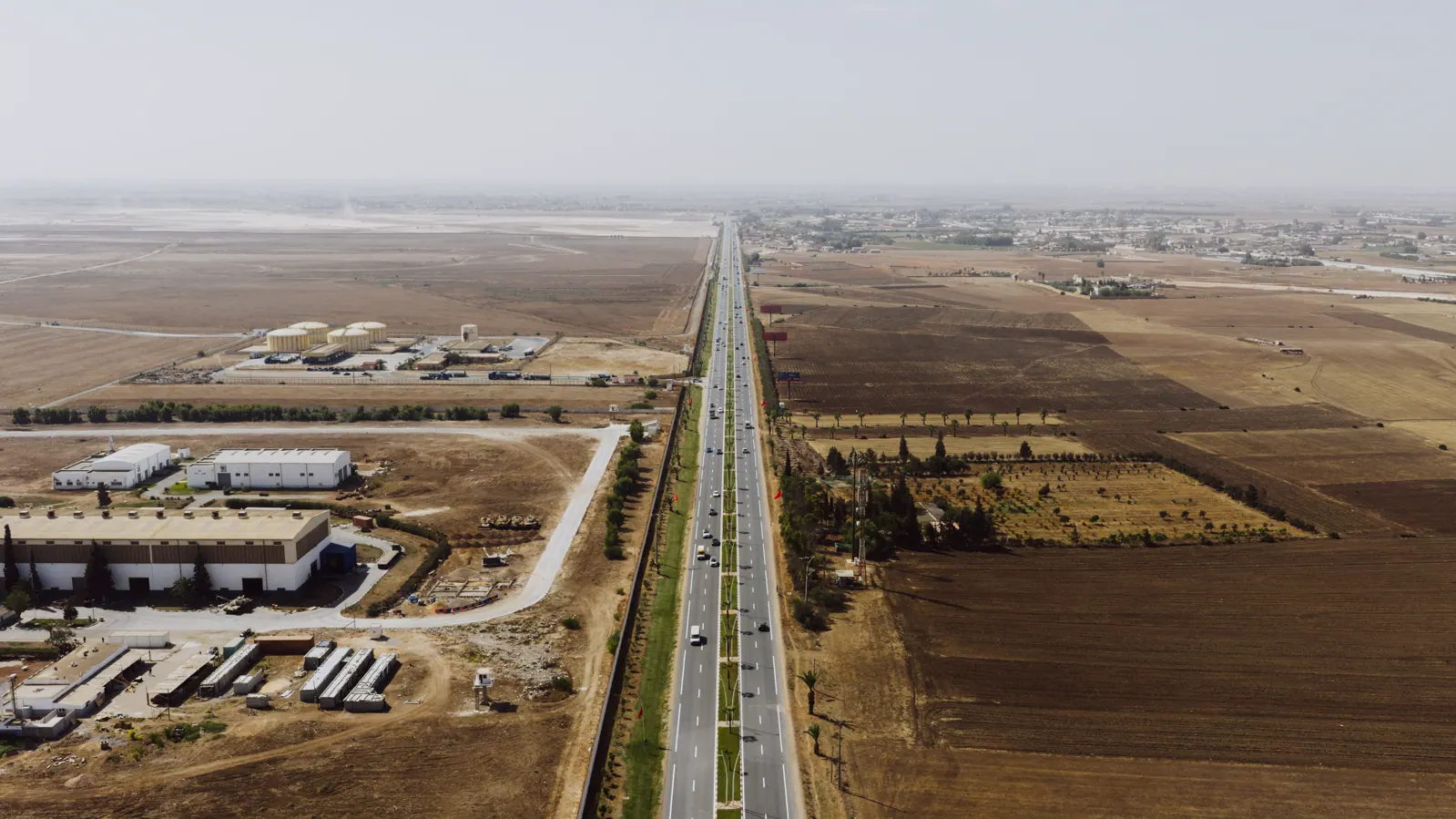
The issue of urban sprawl and its impact on Morocco's agricultural land has come to the forefront following the World Habitat Day celebrated on October 5, 2026. As cities continue to expand, concerns are being raised about the extent to which fertile agricultural lands are being consumed. This topic has sparked a national conversation about the balance between urban development and preserving valuable agricultural resources. With the country's urban population projected to continue growing, finding a sustainable solution to this issue has become a pressing concern.
According to recent reports, Morocco's urban population is expected to increase significantly in the coming years, driving up demand for housing, infrastructure, and services. This growth has led to an increase in urban land use, often at the expense of fertile agricultural land. The consequences of this trend are multifaceted, affecting not only the country's food security but also its environmental sustainability. As the government grapples with these challenges, experts are advocating for a more nuanced approach to urban planning that takes into account the long-term implications of land use decisions.
The debate surrounding urban sprawl and agricultural land use comes at a time when Morocco is seeking to boost its agricultural sector. The country's agricultural industry is a significant contributor to its economy, providing employment and generating revenue. However, the loss of fertile land to urban development threatens to undermine these efforts. To mitigate this impact, policymakers are exploring strategies to promote sustainable agriculture and protect agricultural land from encroachment.
One potential solution being explored is the development of more efficient urban planning frameworks. This includes identifying areas of high conservation value and prioritizing their protection. Additionally, there is a growing recognition of the need to promote sustainable agriculture practices, such as permaculture and agroforestry, which can help to maintain soil health and reduce the environmental impact of farming. By adopting a more integrated approach to land use planning, Morocco aims to strike a balance between urban development and agricultural sustainability.
The issue of urban sprawl and agricultural land use is not unique to Morocco, but it is a pressing concern in the country. As the government continues to grapple with this challenge, it is likely that the conversation will evolve to incorporate a wider range of perspectives and solutions. This may involve engaging with local communities, farmers, and other stakeholders to develop more effective and sustainable land use strategies.
In the short term, the Moroccan government is expected to face increasing pressure to address the issue of urban sprawl and agricultural land use. With the country's urban population projected to continue growing, finding a sustainable solution to this issue will require a coordinated effort from policymakers, experts, and local communities. By working together, Morocco can develop more effective strategies for managing its land resources and promoting sustainable development.
As Morocco continues to navigate the challenges of urban sprawl and agricultural land use, the country's experience is likely to provide valuable insights for other nations facing similar challenges. With its rich agricultural heritage and diverse landscapes, Morocco has the potential to become a leader in sustainable land use and agricultural development. By prioritizing the protection of its fertile land and promoting sustainable agriculture practices, Morocco can help to ensure a more food-secure and environmentally sustainable future.
Key points
- Moroccan cities' consumption of fertile agricultural land raises concerns about food security and environmental sustainability.