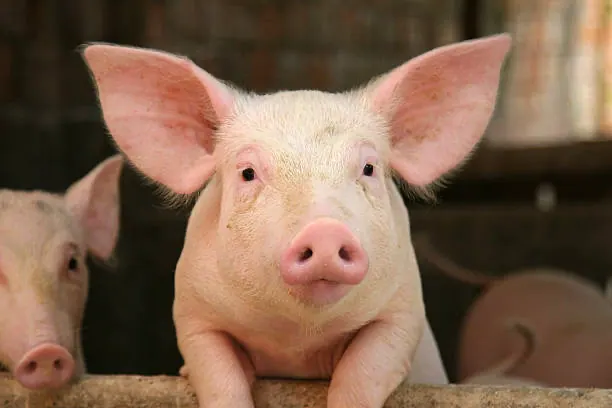
The potential extinction of the wild boar could have far-reaching consequences for the environment, science, and medicine. As one of the most widespread mammals on the planet, the wild boar plays a significant role in various ecosystems and is closely linked to human activities and biomedical research. Despite its reputation as a crop destroyer in many societies, the wild boar's value in laboratories, veterinary clinics, and global food chains far outweighs its perceived negative impact.
From a scientific and medical perspective, the extinction of the wild boar would be catastrophic for modern medical research. As one of the closest animals to humans in terms of anatomy and physiology, scientists heavily rely on the wild boar for mixed-organ transplantation research. Advanced studies are underway to edit the genes of wild boars to use their hearts, kidneys, and livers to save thousands of human lives. The loss of this species would jeopardize this medical revolution.
The wild boar also plays a crucial role in the production of certain medicines. The natural insulin previously extracted from pig pancreas before the development of synthetic insulin, and heparin, a vital anticoagulant used to prevent blood clots and heart attacks, are primarily sourced from wild boar intestines. Furthermore, pig skin is used as a temporary treatment for severe burn victims due to its similarity to human skin and ability to aid in healing.
The environmental and public health implications of the wild boar's extinction are equally concerning. As a natural "tiller" of the soil, the wild boar helps to disperse seeds and combat pests. In its absence, the proliferation of harmful insects and rodents could lead to the spread of new diseases and create significant public health crises, resulting in substantial economic costs.
The loss of the wild boar would also have significant ecological repercussions. Forests worldwide rely on the wild boar's digging activities to aerate the soil and promote plant growth. Without this natural process, ecosystems may become disrupted, leading to a cascade of unintended consequences.
Morocco, as a country with a significant interest in preserving biodiversity, must take note of the potential risks associated with the wild boar's extinction. While the species is not currently considered endangered in Morocco, the global decline of wild boar populations serves as a warning for the need for conservation efforts.
In conclusion, the potential extinction of the wild boar poses significant ecological, scientific, and medical risks. It is essential for countries, including Morocco, to prioritize conservation efforts and protect this vital species. The consequences of inaction could be severe and far-reaching, impacting not only the environment but also human health and well-being.
Key points
- The extinction of the wild boar could disrupt medical research, particularly in the fields of organ transplantation and medicine production.
- The loss of the wild boar could lead to significant ecological and environmental consequences, including the disruption of forest ecosystems and the proliferation of pests.
- The wild boar plays a crucial role in preserving public health, and its extinction could lead to the spread of new diseases.