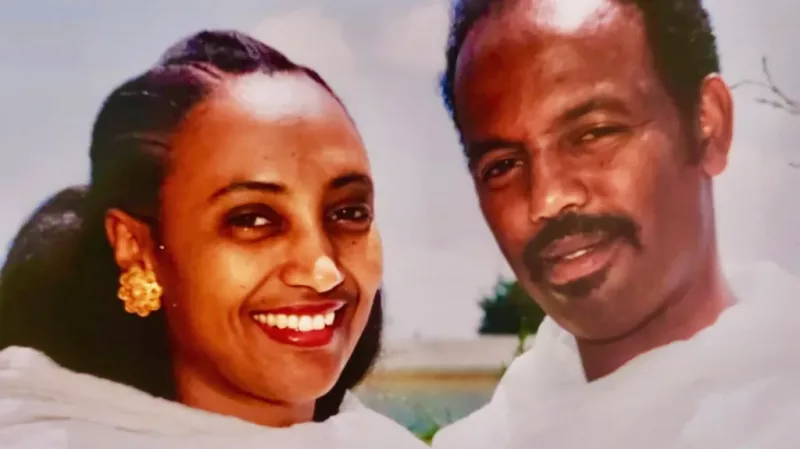
Twenty-five years ago, Eritrean war heroes and high-ranking government officials were arrested and jailed without trial. Among them were Petros Solomon, a senior leader during the liberation war, and his wife, Aster Yohannes. Their children, including Hanna Petros Solomon, were left behind, unsure of their parents' fate. Hanna, now 35, living in the US, recounts the painful memories of her father's arrest on September 18, 2001.
Petros Solomon was one of the 15 high-profile politicians who signed an open letter to President Isaias Afewerki, calling for the implementation of a constitution and demanding national elections. This group became known as the G-15. President Isaias, who had previously led the Eritrean People's Liberation Front (EPLF) in their fight against Ethiopia, took the criticism personally. Petros was picked up by security agents as he left his home in a tracksuit, and his family was left with no information about his whereabouts.
Hanna's mother, Aster, was away studying in the US when her husband was arrested. She returned to Eritrea, despite concerns for her safety, but never made it back to her children. Aster was reportedly detained at Asmara International Airport on December 11, 2003, and her family later heard that she was being held in the infamous Karshelli jail. Hanna and her siblings were left in the care of their paternal grandmother, who was warned by authorities to stop inquiring about their parents' fate.
The Eritrean government has not responded to requests for comment about the whereabouts of the prisoners or whether they are still alive. It is believed that Petros and the others arrested on September 18 and 19, 2001, are being held in the remote and secretive prison known as Ela-Ero. Accused of treason, none of them has ever been brought to trial or allowed to see their relatives. The government also shut down independent newspapers and detained their editors and journalists, who are also believed to be imprisoned in Ela-Ero.
Hanna, like many young Eritreans, fled the country to escape conscription and seek better opportunities. She now works as a trauma specialist in the US but still feels traumatized by her experiences. She worries that her memories of her parents will fade, and she misses the happy times they shared together. Hanna's story is not unique; many families in Eritrea have been affected by the government's crackdown on dissent.
Ibrahim Sherifo, 38, living in exile in the Netherlands, also has painful memories of the arrests. His parents, senior members of the ruling People's Front for Democracy and Justice (PFDJ), were among the G-15 people arrested 25 years ago. Ibrahim was 13 years old at the time and describes September 18, 2001, as a "dark day" for Eritrea and its people. He believes that on that day, "law and democracy was detained."
The children of the jailed war heroes continue to seek answers about their parents' fate, but their pleas have fallen on deaf ears. As the years go by, their hopes of ever seeing their parents again are dwindling. The Eritrean government's silence on the matter has only added to the suffering of these families, who remain uncertain about the fate of their loved ones.
Key points
- The children of Eritrean war heroes jailed 25 years ago are still searching for answers about their parents' fate.
- The Eritrean government has not responded to requests for comment about the whereabouts of the prisoners or whether they are still alive.
- The arrests of the G-15 politicians marked a significant turning point in Eritrea's history, leading to a crackdown on dissent and the shutdown of independent newspapers.