Morocco is grappling with a paradoxical situation of high unemployment and labor shortages in various sectors. The country has 1.1 million unemployed individuals, which accounts for 9.5% of the active population. Additionally, 2.9 million young people are without employment, education, or training. This situation is further complicated by labor shortages in key sectors such as agriculture, construction, and industry.
The labor market in Morocco is characterized by a low participation rate, especially among women. Only 42.2% of Moroccans of working age participate in the labor market, with a significant disparity between men and women. While 66.5% of men are employed, only 18.1% of women are part of the workforce. The situation is even more dire in rural areas, where many young people are leaving in search of employment.
The agricultural sector is particularly affected by labor shortages. Farmers are struggling to find workers, with some reporting that they have to look for laborers up to 150 kilometers away from their farms. The construction sector also faces labor shortages, with many projects delayed or stalled due to a lack of skilled workers. The industry as a whole is experiencing a shortage of qualified technicians.
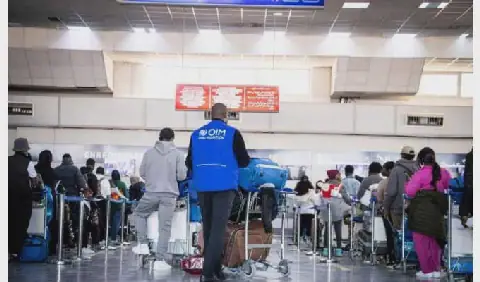
To address labor shortages, some companies are turning to migrant workers from sub-Saharan Africa. In the Souss region, many farms rely on migrant workers to harvest their crops. The Spanish government has also been recruiting Moroccan workers to fill labor gaps in its agricultural sector. In 2025, Morocco accounted for 81% of workers recruited by Spain.
Despite high unemployment, many Moroccans are not seeking work due to various constraints. The cost of transportation and childcare is a significant barrier, especially for women. The lack of public childcare facilities and high costs of private childcare make it difficult for women to participate in the workforce. Additionally, many women are burdened with domestic responsibilities, leaving them little time for employment.
The informal sector is also a significant challenge in Morocco. Many workers are employed in the informal sector, which accounts for 33.1% of non-agricultural employment. The World Bank has identified a rise in the salary threshold, which is the minimum income required for workers to accept a job. This has led to a situation where many workers are not willing to accept low-paying or unsuitable jobs.
To address these challenges, experts suggest that Morocco needs to implement policies that promote job creation, improve education and training, and increase women's participation in the workforce. The government can also learn from other countries, such as Saudi Arabia, which has implemented policies to increase women's participation in the workforce.
Key points
- Morocco has 1.1 million unemployed individuals and 2.9 million young people without employment, education, or training.
- Labor shortages are affecting key sectors such as agriculture, construction, and industry.
- The country's low participation rate, especially among women, is a significant challenge to addressing unemployment and labor shortages.
Reporting sources
- Trop de chômeurs, pas assez de bras · Challenge Hebdo