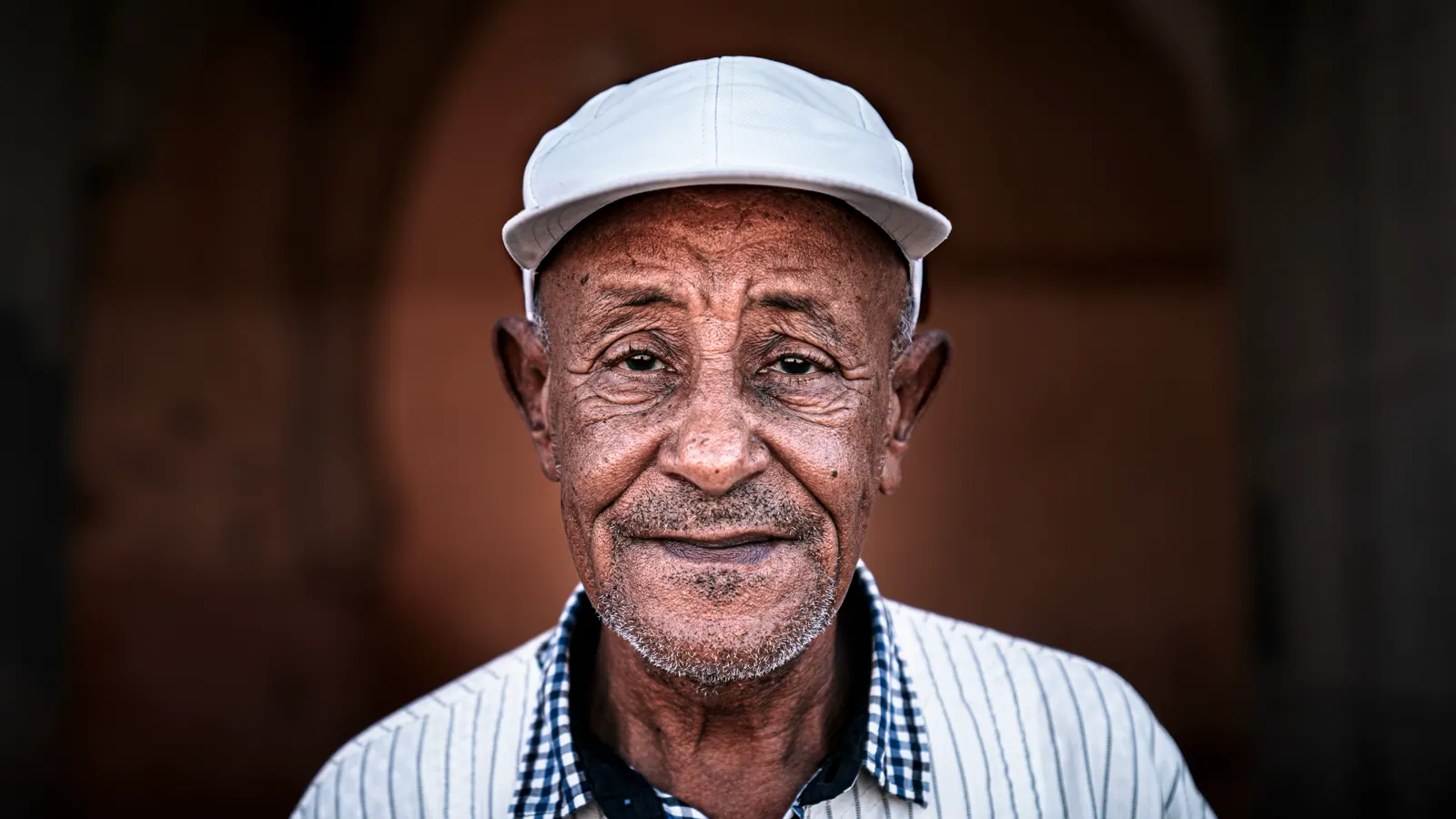
Morocco is poised to experience significant demographic changes, with an increasingly urban and aging population. As cities expand, different generations are living in closer proximity, leading to shifts in family dynamics. This transformation underscores the need for more comprehensive programs and services tailored to the elderly. The country's future will be characterized by an aging population, necessitating proactive measures to address their needs.
The Moroccan government and various stakeholders have made efforts to promote active aging and improve services for the elderly. However, despite these initiatives, there remains a considerable challenge in ensuring equitable access to these services across the country. The issue of territorial coverage is critical, as many rural areas lack adequate infrastructure and resources to support elderly care.
According to recent trends, Morocco's urban areas are expanding rapidly, leading to increased pressure on existing social services. The need for elderly care programs that can be accessed by all, regardless of geographical location, has become more pressing. Efforts to enhance and expand these services are essential to address the evolving needs of Morocco's aging population.
Experts emphasize the importance of developing a robust network of elderly care services that can cater to the diverse needs of the aging population. This includes healthcare, social support, and recreational activities designed to improve the quality of life for elderly individuals. By investing in such programs, Morocco can mitigate the social and economic impacts associated with an aging population.
The article highlights that while progress has been made in certain areas, a significant gap remains in terms of territorial coverage and accessibility. Many regions, particularly rural and remote areas, face challenges in accessing basic services, let alone specialized elderly care. Addressing these disparities is crucial for promoting social inclusion and ensuring that all elderly individuals receive the support they need.
To overcome these challenges, the Moroccan government and relevant stakeholders are exploring innovative solutions and strategies. This includes potential partnerships with non-governmental organizations, private sector entities, and international organizations to enhance the scope and reach of elderly care services. By leveraging resources and expertise from various sectors, Morocco aims to strengthen its elderly care network.
As Morocco continues to navigate the complexities of an aging population, the emphasis on developing comprehensive and accessible elderly care services will remain a priority. The goal is to create an inclusive and supportive environment that enables elderly individuals to lead dignified and fulfilling lives. This endeavor requires sustained efforts and commitment from all stakeholders involved.
Key points
- Morocco faces a significant challenge in expanding elderly care services to meet the needs of its aging population.
- The country needs to enhance territorial coverage and accessibility of elderly care programs.
- Efforts to address these challenges are crucial for promoting social inclusion and supporting the well-being of elderly individuals.