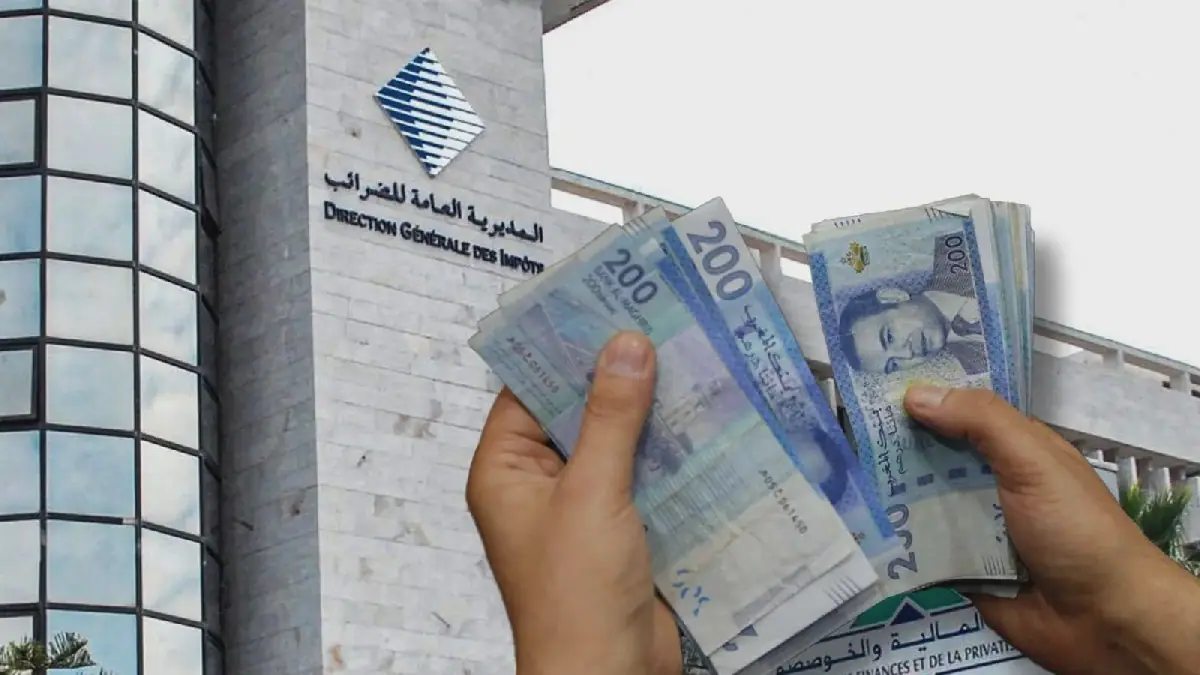
Morocco has expanded its withholding tax system to include Value-Added Tax (VAT) as part of its 2024 finance law, which came into effect on July 1, 2024. The system, known as Retenue à la Source, has been successful in increasing tax revenue and is being further developed under the 2026 finance law and 2027 draft finance law to combat tax evasion. The new measures aim to strengthen tax collection and improve tax revenue.
The withholding tax on VAT applies to suppliers of goods and services, with clients required to deduct and electronically transfer the tax to the tax authorities via SIMPL-TVA. The system has two main categories: suppliers of goods and construction services, and service providers. For suppliers of goods and construction services, clients must withhold 100% of the VAT if the supplier does not provide a valid tax certificate. For service providers, the withholding rate is 75% if a valid tax certificate is provided and 100% if not.
The 2026 finance law provides for a gradual expansion of the withholding tax to include more businesses. From July 1, 2026, large companies with annual transactions of 500 million dirhams or more will be subject to the withholding tax. This threshold will be reduced to 350 million dirhams from January 1, 2027, and to 200 million dirhams from January 1, 2028. The expansion is expected to cover around 1,655 large companies.
The 2027 draft finance law proposes several changes to simplify the withholding tax system and enhance its effectiveness in combating tax evasion. The draft law introduces a simplified mechanism for refunding excess VAT payments and reduces the validity period of tax certificates to 30 days. The changes aim to improve tax collection and reduce the administrative burden on businesses.
The expansion of the withholding tax is part of Morocco's efforts to combat tax evasion, particularly the use of fake invoices. According to reports, hundreds of thousands of dormant or fake companies exist in Morocco, costing the treasury billions of dirhams in lost revenue each year. The withholding tax has already helped to uncover some tax evasion schemes and reduce tax evasion.
The tax authorities have stated that the withholding tax has contributed to a reduction in VAT-related tax evasion and improved tax collection efficiency. However, the expansion of the system has raised concerns about its impact on the liquidity of companies, particularly suppliers who may face delays in refunding excess VAT payments.
The Moroccan government aims to boost tax revenue without imposing new taxes. The withholding tax is part of a broader strategy to improve tax collection and reduce tax evasion. The government is expected to continue monitoring the effectiveness of the withholding tax and making adjustments as needed.
Key points
- Morocco expands withholding tax to VAT to combat tax evasion and boost revenue
- Withholding tax to cover large companies with annual transactions of 500 million dirhams or more
- 2027 draft finance law proposes simplified mechanism for refunding excess VAT payments