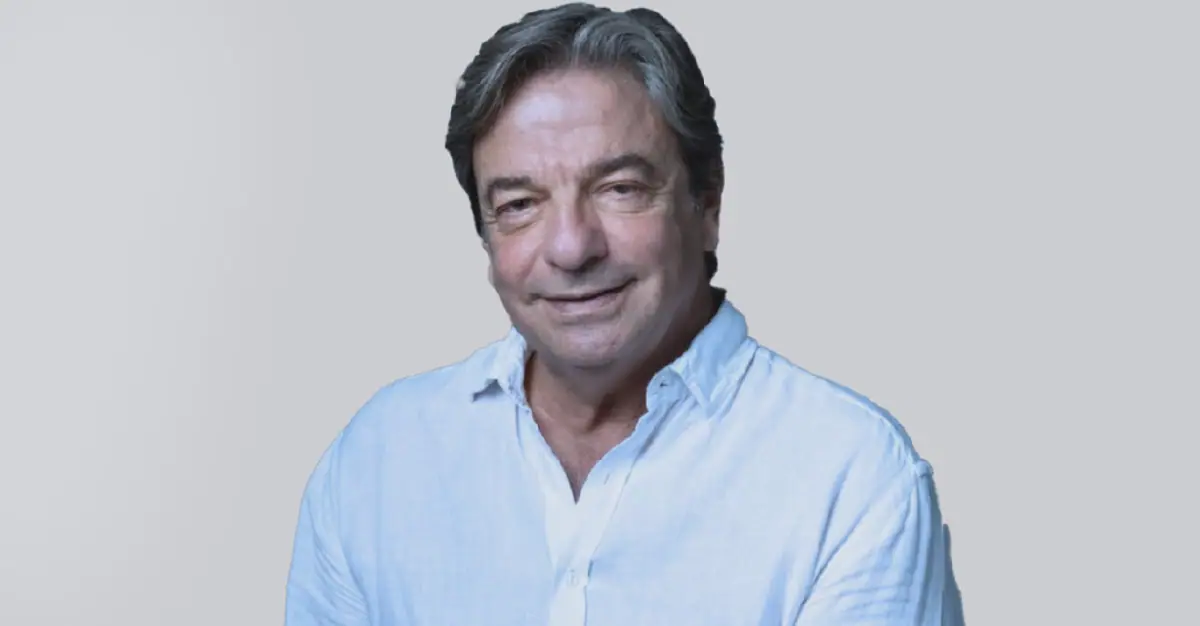
The non-renewal of the MINURSO mandate marks the end of an outdated mechanism, according to Khaled Hamadé, president of the International Institute for Geopolitical Studies (IIEG). Hamadé stated that this development signifies a substantial shift in a long-stalled conflict. He emphasized that the law has now aligned with realism, indicating a new approach to resolving the Western Sahara dispute. This change may lead to a more effective and sustainable solution.
Hamadé explained that the MINURSO mission, established in a different context, has long contributed to internationalizing a regional dispute. He noted that its withdrawal from the southern provinces and the likely removal of the issue from the UN Security Council's agenda could turn a page and offer a genuine prospect for resolving the conflict. According to Hamadé, a frozen dispute can only be resolved through a realistic framework, credible guarantees, and tangible development for the local population.
The IIEG has long observed that a realistic approach is necessary to resolve the conflict. Hamadé highlighted that Morocco has taken responsibility by presenting a plan for autonomy, a concrete, realistic, and sustainable project. This plan, under Moroccan sovereignty, has gained credibility due to the economic and social development initiated in the southern provinces under King Mohammed VI's leadership. The region has seen significant progress, providing a solid foundation for the autonomy plan.
Hamadé emphasized that Morocco has set an example and that it is now up to all parties to seize this historic opportunity. He expressed optimism about the potential for a new era in the Western Sahara conflict. The IIEG president noted that the current situation requires a pragmatic approach, focusing on the needs and aspirations of the local population. A solution that addresses these needs could lead to a lasting resolution.
The Western Sahara conflict has been a longstanding issue, with Morocco and the Polisario Front having competing claims. The MINURSO mission was established to facilitate a peaceful resolution, but its effectiveness has been questioned. The non-renewal of its mandate may pave the way for a new approach, one that prioritizes the needs of the local population and encourages sustainable development.
Hamadé's comments reflect a growing consensus that a new approach is needed to resolve the conflict. The IIEG has been actively engaged in studying the Western Sahara issue, providing insights into the complexities of the dispute. By emphasizing the importance of a realistic framework and credible guarantees, Hamadé has underscored the need for a pragmatic solution.
The future of the Western Sahara conflict remains uncertain, but the non-renewal of the MINURSO mandate has created an opportunity for a fresh perspective. Morocco's plan for autonomy, combined with the development initiatives in the southern provinces, may provide a viable path forward. As Hamadé noted, it is now up to all parties to work together to seize this historic opportunity and find a lasting solution to the conflict.
Key points
- The non-renewal of the MINURSO mandate marks a significant shift in the Western Sahara conflict, offering a chance for a new approach.
- Morocco's plan for autonomy, underpinned by development initiatives, provides a credible framework for resolving the conflict.
- A realistic approach, focusing on the needs and aspirations of the local population, is essential for finding a lasting solution.