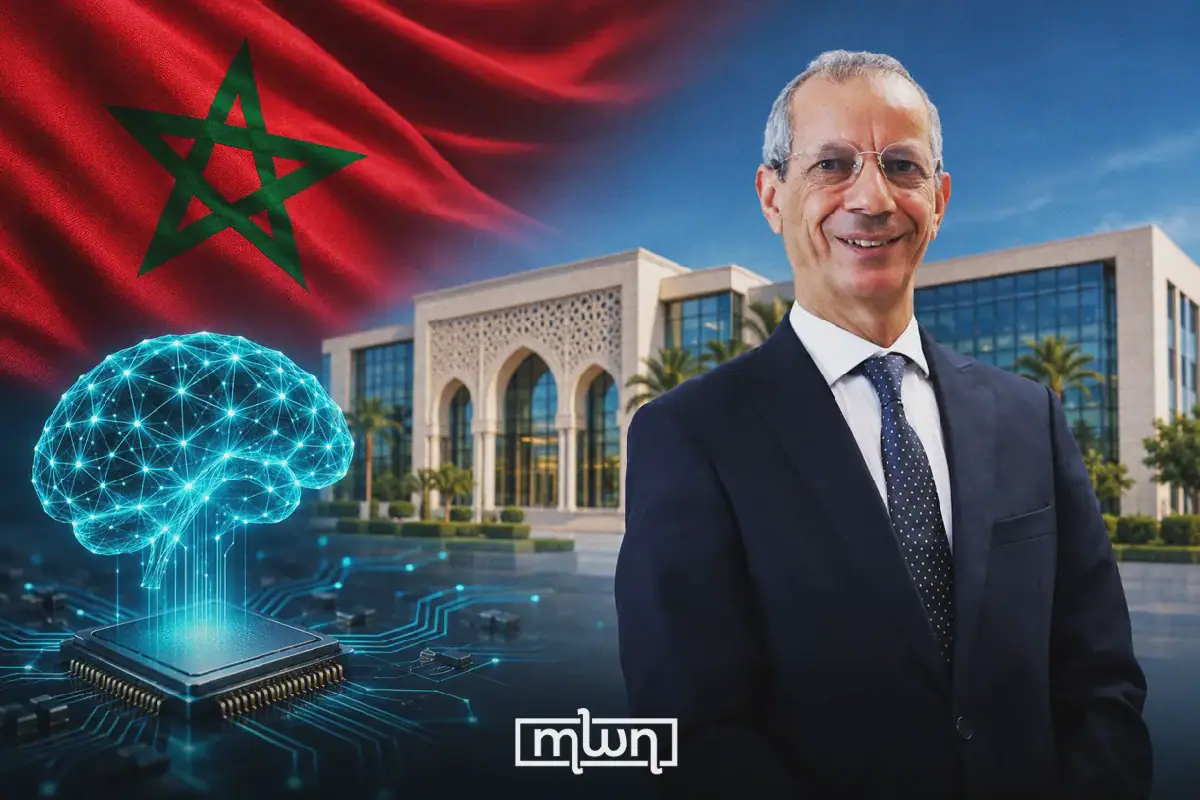
Morocco has created a new ministry dedicated to artificial intelligence, marking a significant shift in the country's approach to technological development. The ministry, led by Ahmed Rahhou, was established on October 16, 2026, as part of a broader government restructuring effort. This move has sparked debate about the role of government in promoting innovation and the relationship between technological ambition and institutional capacity. The new ministry will focus on AI, separating it from the previous portfolio of Digital Transition and Administrative Reform.
The creation of the AI ministry reflects Morocco's desire to prioritize technological development and integrate AI into its national strategy. However, this move has also raised questions about the country's capacity to support a competitive innovation ecosystem. The ministry's effectiveness will depend on its ability to coordinate stakeholders, mobilize resources, and drive scientific and economic growth. Critics argue that a ministry alone cannot create a thriving innovation environment, and that substance is more important than symbolic gestures.
The Moroccan AI ministry has drawn comparisons with the United States, a country that has contributed significantly to the development of AI but does not have a federal ministry dedicated to the technology. The US has a long history of AI research, dating back to the 1956 Dartmouth workshop, and has driven innovation through university research, public investment, and private initiatives. The US approach has raised questions about the necessity of a specialized ministry to promote AI development.
The relationship between innovation and administration is complex, and Morocco's AI ministry is a case in point. While the ministry can announce policy directions and mobilize resources, it cannot create a competitive innovation ecosystem on its own. The country's ability to support AI development will depend on its scientific production, engineering education, and technology adoption. A specialized ministry can be useful if it has a clear mandate, budget, and personnel, but it risks becoming a communication tool if it lacks substance.
The Moroccan paradox highlights the distinction between digitalization and AI. While digitalization encompasses IT infrastructure, connectivity, and online services, AI raises additional questions about research, algorithmic models, data, and automation. The AI ministry's focus on AI as an autonomous domain reflects the government's determination to prioritize this technology. However, it also raises questions about the country's capacity to support AI development and the potential risks of creating a ministry without a clear strategy.
The creation of the AI ministry has sparked debate about the role of government in promoting innovation. While some argue that a ministry is necessary to drive AI development, others argue that it is not a guarantee of success. The Moroccan AI ministry's effectiveness will depend on its ability to coordinate institutions, stimulate investment, and strengthen relations between universities, businesses, and government agencies.
Ultimately, the success of Morocco's AI ministry will depend on its substance and ability to drive economic transformation. The country's ambition to become technologically advanced is clear, but it will require more than a ministry to achieve this goal. The AI ministry must be supported by a clear strategy, adequate resources, and a focus on scientific production, engineering education, and technology adoption.
Key points
- Morocco has established a new ministry dedicated to artificial intelligence, led by Ahmed Rahhou.
- The creation of the AI ministry reflects Morocco's desire to prioritize technological development and integrate AI into its national strategy.
- The effectiveness of the ministry will depend on its ability to coordinate stakeholders, mobilize resources, and drive scientific and economic growth.