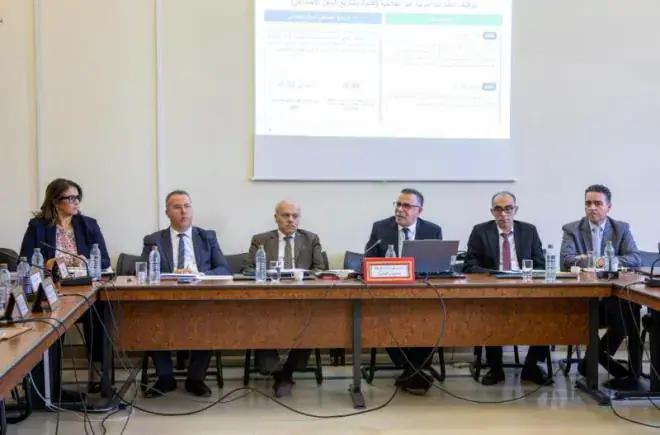
Tunisia's Minister of State Properties and Real Estate Affairs, Wadii Al-Hidili, announced that 24 agricultural lands covering an area of 11,216 hectares have been allocated to private companies. This move aims to optimize the use of international agricultural properties and promote their development. The allocation is part of the ministry's efforts to enhance the management of state properties and promote investment in the agricultural sector.
In addition to the allocation of agricultural lands, the ministry has also provided 3,008 hectares for the development of renewable energy projects. This allocation is part of the government's efforts to promote the use of renewable energy sources and reduce the country's reliance on fossil fuels. The minister emphasized that the ministry is working to prepare a second list of agricultural lands that will be allocated to private companies.
The international agricultural properties in Tunisia cover an area of approximately 500,000 hectares, with only 38% being utilized. The minister highlighted that the law prohibits the sale of these properties, and the ministry is working to protect and manage them effectively. The ministry's strategy is aligned with the country's development plan for 2026-2030, which aims to promote economic growth and sustainable development.
The ministry has also made progress in allocating non-agricultural properties, issuing 450 allocation decisions between 2021 and 2026, covering an area of 375 hectares. The minister noted that the ministry is working to link allocation decisions to the availability of necessary funding to ensure that allocated properties are utilized effectively.
In terms of protecting state properties, the ministry has conducted an inventory of 11,271 properties as of September 2026. The minister highlighted that the ministry faces challenges in registering these properties due to limited resources and the need for cooperation from other authorities.
The ministry is also working on a project to develop a geographic portal for state properties, which is expected to be completed within two years. The portal will provide detailed information on state properties, enabling citizens and investors to access information easily.
The allocation of agricultural lands and renewable energy projects is expected to promote economic growth and sustainable development in Tunisia. The minister's announcement has been welcomed by stakeholders, who hope that the allocation will help address issues related to unemployment and food security.
Key points
- The Tunisian government has allocated 24 agricultural lands, totaling 11,216 hectares, to private companies to promote investment in the agricultural sector.
- The government has also provided over 3,000 hectares for renewable energy projects to promote the use of renewable energy sources.
- The ministry is working to protect and manage state properties effectively, with a focus on promoting economic growth and sustainable development.