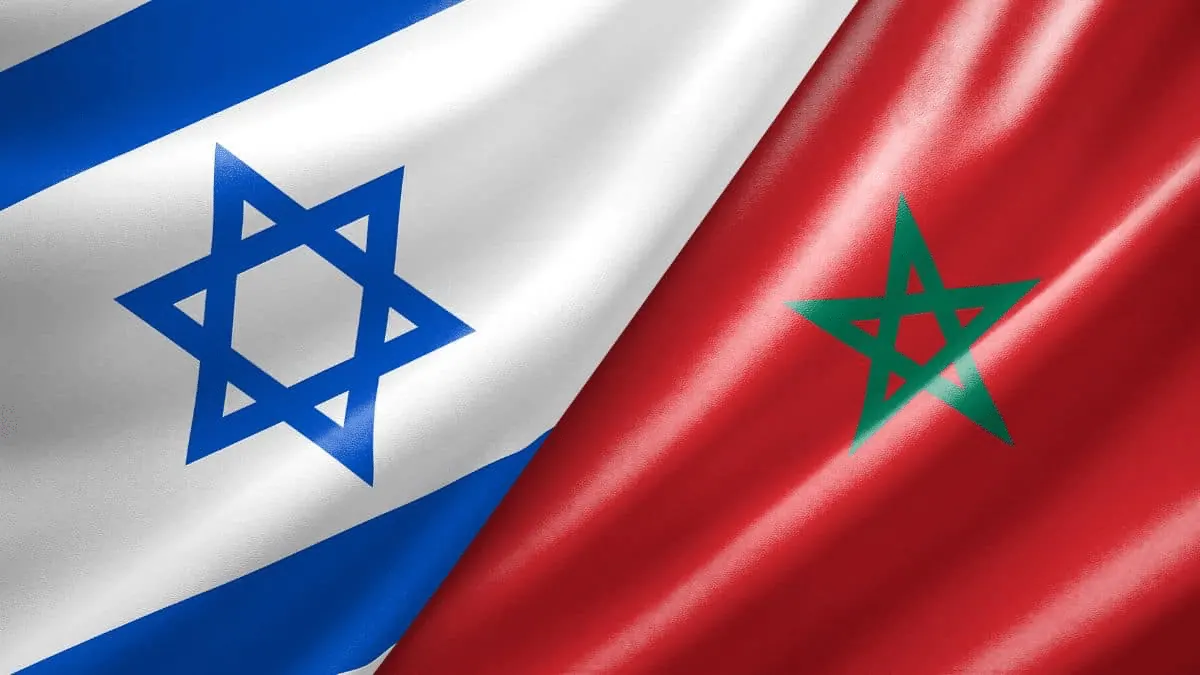
The Moroccan government has stepped up its crackdown on protests against the opening of an Israeli embassy in Rabat, with several arrests made in the northern city of Tangier on Sunday, September 27. The move comes after a wave of demonstrations took place across the country, including a large march in Marrakech that drew thousands of protesters. The protests are against the normalization of relations between Morocco and Israel.
The decision to elevate diplomatic relations between Morocco and Israel to the level of ambassadors was announced on September 16, sparking widespread controversy. The Moroccan Front for Support of Palestine and Against Normalization had called for protests against the opening of an Israeli embassy in Rabat. The group has been at the forefront of opposition to the government's decision to normalize relations with Israel.
The Tangier protest was violently suppressed by police, with several demonstrators arrested and taken away in police vans. According to activists and human rights groups, several prominent anti-normalization figures were among those detained. The arrests have been condemned by activists, who see them as an attempt to silence dissent.
Among those arrested was Mohamed El-Saroukh, a lawyer and prominent figure in the anti-normalization movement. Hassan Bennajeh, a political activist, reported that El-Saroukh was taken into custody along with several other protesters. Bennajeh described the crackdown as an attempt to punish a population that has consistently demonstrated its opposition to normalization.
The protests in Morocco are part of a wider wave of demonstrations across the country against the government's decision to normalize relations with Israel. The issue has sparked heated debate and opposition, with many Moroccans expressing their support for the Palestinian cause. The government's decision has also been criticized by some as a betrayal of Morocco's long-standing support for the Palestinian people.
The situation in Morocco is seen as increasingly tense, with no prime minister appointed yet. Mohamed Talal Lahlou, a political analyst, noted that the tension is rising as the government struggles to respond to the opposition. The analyst added that the government's attempts to suppress dissent will only fuel further protests.
The crackdown on protests in Tangier has been widely condemned, with many calling for the release of those detained. The incident has highlighted the deep divisions within Moroccan society over the government's decision to normalize relations with Israel. The protests are likely to continue, with many Moroccans vowing to maintain their opposition to the government's policy.
Key points
- Several protesters were arrested in Tangier as police violently suppressed a demonstration against the Israeli embassy.
- The protests in Morocco are against the government's decision to normalize relations with Israel and open an Israeli embassy in Rabat.
- The situation in Morocco is seen as increasingly tense, with no prime minister appointed yet and rising opposition to the government's policy.