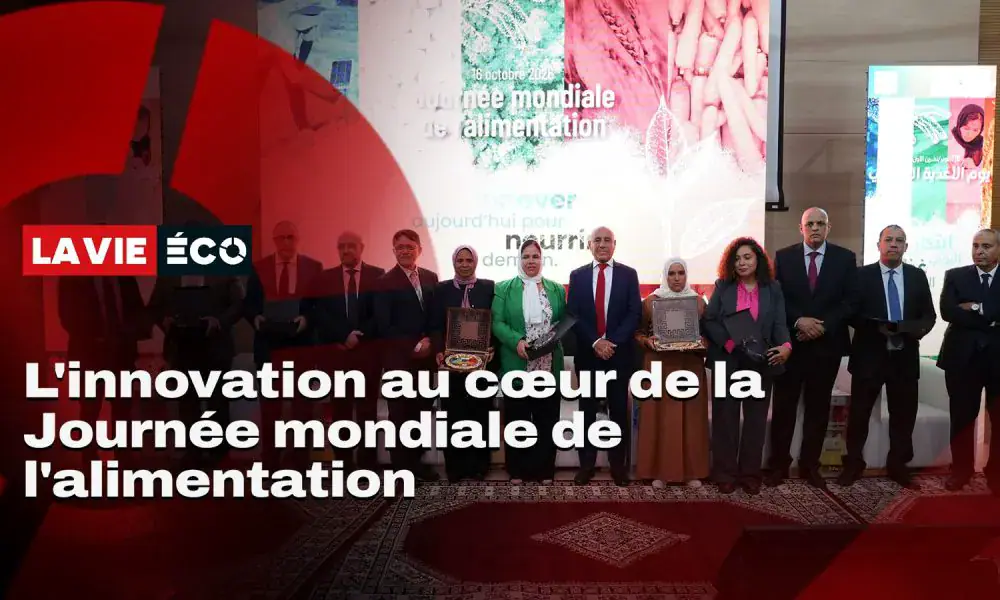
The World Food Day celebration in Morocco took place on October 27, 2026, at the Hassan II Agronomic and Veterinary Institute in Rabat. The event was presided over by Minister of Agriculture, Fisheries, and Food Sovereignty Khalid Hatimy, in the presence of Alexandre Anh Tài Huynh, representative of the Food and Agriculture Organization (FAO) in Morocco. The theme of this year's edition was "Innovate Today to Feed Tomorrow," highlighting the importance of innovation in transforming agri-food systems.
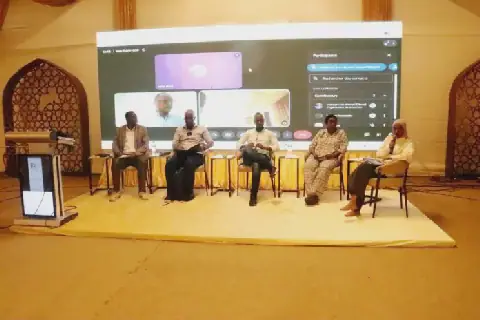
The celebration was organized by the Ministry of Agriculture, Fisheries, and Food Sovereignty in collaboration with the FAO. It brought together representatives from the agricultural sector, public institutions, national and international partners, research establishments, and training institutions. The event showcased the role of innovation in enhancing food security and sovereignty. A scientific panel discussed sustainable agri-food systems, focusing on research, preservation of genetic resources, sustainable livestock systems, market digitalization, and digital agricultural advisory services.
The panel emphasized the need to combine scientific progress, technological advancements, and local knowledge to strengthen the resilience of agricultural sectors and better address future food challenges. In the face of climate change, pressure on natural resources, and food security concerns, innovation is seen as a crucial lever for improving production system performance, valorizing national resources, and promoting access to healthy and quality food.
This initiative aligns with Morocco's Generation Green 2020-2030 strategy, which prioritizes human capital development, innovation, and sustainability in agricultural and rural development. Strengthening synergies between research, training, and sector stakeholders is vital for facilitating knowledge transfer and encouraging the adoption of innovative solutions. Efforts to promote a more sustainable, resilient, and inclusive agricultural model are ongoing.
By investing in research, innovation, and local knowledge valorization, Morocco aims to enhance production capacities, consolidate food security and sovereignty, and better anticipate future food needs. The Generation Green strategy focuses on developing human capital, innovation, and sustainability, recognizing their importance in achieving these goals.
The event provided a platform for stakeholders to discuss and share experiences on sustainable agriculture practices, technology adoption, and policy support for innovation in the sector. It highlighted the potential for innovation to address the challenges facing Morocco's agricultural sector, including climate change, soil degradation, and water scarcity.
The celebration concluded with a call to action for stakeholders to work together to promote sustainable agriculture practices, invest in research and innovation, and support the adoption of new technologies. This collaboration aims to ensure food security and sovereignty in Morocco, while contributing to the country's sustainable development goals.
Key points
- The event emphasized the importance of innovation in ensuring food security and sovereignty in Morocco.
- The Generation Green 2020-2030 strategy prioritizes human capital development, innovation, and sustainability in agricultural and rural development.
- The celebration highlighted the need for collaboration between research institutions, policymakers, and sector stakeholders to promote sustainable agriculture practices and innovation.