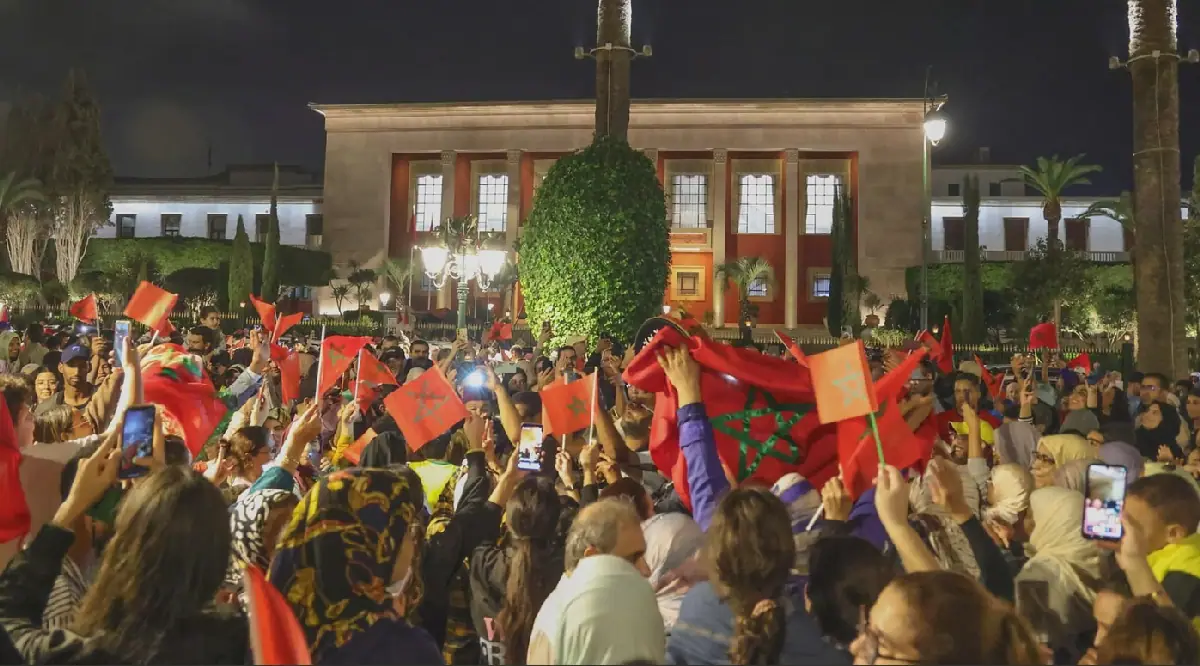
On Saturday, October 31, Morocco will celebrate its first Aid Al Wahda, or Festival of Unity. This national holiday was established by King Mohammed VI following the adoption of UN Security Council Resolution 2797 on October 31, 2025. The resolution recognized Morocco's autonomy initiative as a serious and credible solution to the dispute over the Sahara region. This diplomatic victory marks a significant milestone in Morocco's modern history.
The choice of date for Aid Al Wahda is not coincidental. It coincides with the anniversary of the UN Security Council's adoption of Resolution 2797, which validated Morocco's autonomy initiative. The King chose to name this new national holiday Aid Al Wahda, or Festival of Unity, rather than a celebration of victory or sovereignty. This reflects the King's desire to emphasize national unity and solidarity rather than triumphalism.
The establishment of Aid Al Wahda is part of a broader process of consolidating Morocco's territorial integrity. In 1975, the Green March took place, which led to the recovery of Western Sahara. In 1979, Morocco recovered the Oued Eddahab region. The 2024 celebrations also marked a significant event. These milestones reflect a consistent pattern of Morocco's gradual recovery of its territorial integrity.
The Moroccan government has taken concrete steps to institutionalize Aid Al Wahda as a national holiday. In January 2026, the Council of Government adopted two decrees making October 31 a public holiday, with employees in both the public and private sectors entitled to a paid day off. The King has also decided to use this occasion to grant royal pardons to eligible prisoners.
The creation of Aid Al Wahda also reflects a shift in the King's priorities. The traditional speech on November 6, which marked the anniversary of the Green March, has been discontinued. Instead, the King will now deliver speeches on two main occasions: the Throne Day and the opening of Parliament. This change underscores the King's intention to move beyond the polemics of the past and focus on national development.
Aid Al Wahda is not just about territorial integrity; it also celebrates Morocco's rich cultural diversity. The 2011 Constitution recognizes the country's arabo-islamic, amazigh, and saharo-hassani components, as well as its African, Andalusian, Hebrew, and Mediterranean influences. This diversity is seen as a source of strength and a factor in Morocco's stability.
The celebration of Aid Al Wahda has been met with contrasting reactions in the region. While Morocco is marking a significant diplomatic victory, Algeria has expressed disappointment and frustration. The Algerian government had invested significant diplomatic, military, and financial resources in the Sahara issue, which the UN has now effectively shelved.
Key points
- Morocco's Aid Al Wahda celebrates national unity and territorial integrity.
- The holiday was established following the adoption of UN Security Council Resolution 2797.
- The celebration reflects Morocco's cultural diversity and its commitment to development and stability.