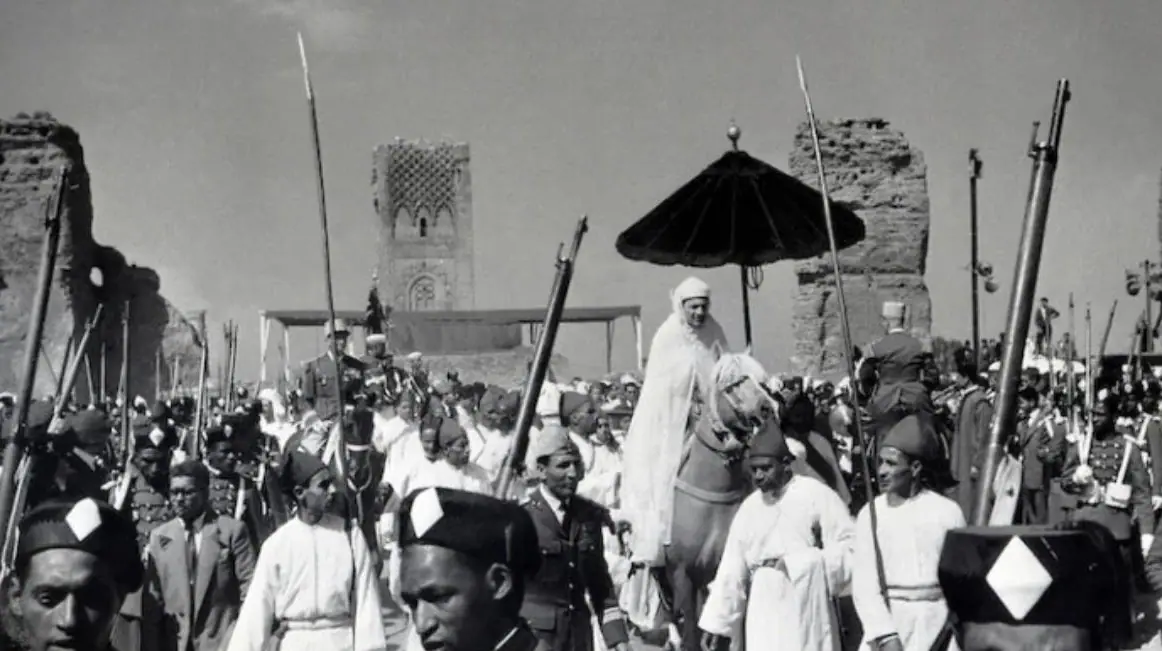
Morocco is celebrating the 71st anniversary of its Independence Day, a significant event in the country's modern history. The day is a testament to the nation's struggle for freedom and unity, with the monarchy and the people working together to defend the country's sovereignty and values. This anniversary is an opportunity to reflect on the country's history and the sacrifices made to achieve independence.
The Independence Day celebrations are a reminder of the historic visit made by King Mohammed V to the city of Tangier on April 9, 1947. This visit marked a turning point in the country's struggle for independence, as the king and the people of Morocco asserted their commitment to their freedom, territorial integrity, and national identity. This event was a culmination of the efforts of the Moroccan national movement, which began in the 1930s.
The Moroccan national movement gained momentum in the 1930s, with a focus on political action to raise awareness, mobilize the population, and promote the Moroccan cause internationally. However, the French protectorate authorities responded with repressive measures, which only strengthened the determination of the Moroccan people to remain loyal to their king and their national vision.
The French authorities' decision to exile King Mohammed V and the royal family in 1953 sparked widespread unrest and resistance across the country. The revolution of August 20, 1953, was a significant event in Morocco's struggle for independence, with battles fought in various regions, including El Herri, Anoual, Bougafer, Jbel Baddou, and Sidi Bou Othmane.
The country's struggle for independence ultimately led to the triumphant return of King Mohammed V and the royal family from exile. On November 18, 1955, the king announced the end of the protectorate, marking a new era for Morocco. His son, King Hassan II, continued the process of nation-building and territorial integrity, including the recovery of the city of Sidi Ifni in 1969.
Morocco's progress since independence has been significant, with the country making strides in various fields under the leadership of King Mohammed VI. The monarch has prioritized the consolidation of territorial integrity, sustainable economic and social development, and human capital development. These efforts have contributed to the country's growth and stability.
As Morocco celebrates its 71st Independence Day, the nation looks back on its history with pride and gratitude. The country's progress is a testament to the resilience and determination of its people, who have worked tirelessly to build a modern, democratic, and prosperous nation. Today, Morocco continues to strive for a brighter future, with its people committed to defending their national unity and sovereignty.
Key points
- Morocco celebrates 71st anniversary of Independence Day, marking a significant event in the country's modern history
- The day is a testament to the nation's struggle for freedom and unity, with the monarchy and the people working together to defend the country's sovereignty and values
- The country's progress since independence has been significant, with Morocco making strides in various fields under the leadership of King Mohammed VI