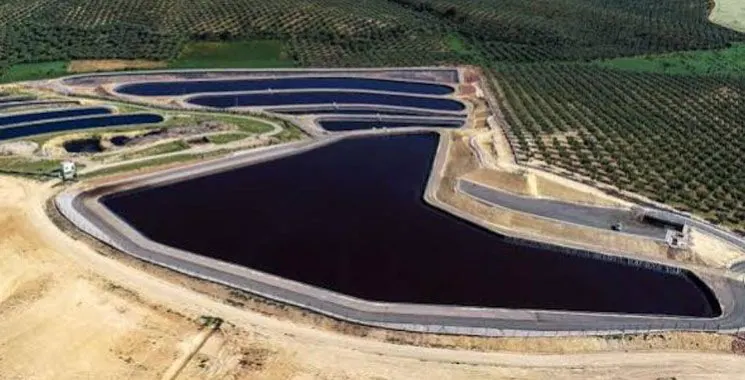
The province of Sefrou in Morocco has taken a significant step towards managing olive oil waste by constructing new evaporation basins. These basins, with a combined capacity of 141,000 cubic meters, are designed to treat the liquid residues, known as margines, produced during the olive oil extraction process. This initiative aims to prevent pollution and protect the region's water resources, particularly the Sebou river, as the 2026-2027 olive oil campaign approaches.
The new installations are located in the areas of Sefrou and El Menzel, with capacities of 76,000 and 65,000 cubic meters per year, respectively. The construction and equipment of these basins have been undertaken by the Société régionale multiservices Fès-Meknès (SRM-FM) since 2024. The provincial authorities have also played a crucial role in the project's implementation, identifying suitable sites and organizing awareness-raising sessions for olive oil producers.
The project is part of a broader effort to promote environmentally responsible practices in the region's olive oil industry. By managing margines effectively, the authorities aim to mitigate the potential environmental impacts of uncontrolled waste disposal, which can harm water resources and natural habitats. This initiative aligns with Morocco's national strategy to conserve water resources and address the challenges posed by water scarcity.
The construction of these evaporation basins is a collaborative effort involving various stakeholders, including the provincial authorities, the SRM-FM, and representatives from the agriculture and environment sectors. The project's success will depend on the active participation of olive oil producers, who must adopt responsible waste management practices to minimize their environmental footprint.
The olive oil campaign is a significant economic activity in the region, and the authorities are working to ensure that it is carried out in an environmentally sustainable manner. By investing in infrastructure and promoting best practices, the province of Sefrou aims to balance economic development with environmental protection.
Morocco's efforts to manage olive oil waste are in line with the country's commitment to preserving its water resources and addressing the challenges posed by climate change. The project serves as an example of the country's proactive approach to environmental management and its dedication to sustainable development.
The implementation of these evaporation basins demonstrates the authorities' commitment to addressing the environmental concerns associated with the olive oil industry. By working together with stakeholders and promoting environmentally friendly practices, the province of Sefrou is taking a significant step towards a more sustainable future.
Key points
- Morocco builds 141,000m³ evaporation basins to treat olive oil waste and prevent pollution in the Sefrou province.
- The project aims to protect the region's water resources, particularly the Sebou river, and promote environmentally responsible practices in the olive oil industry.
- The initiative is part of Morocco's national strategy to conserve water resources and address the challenges posed by water scarcity.