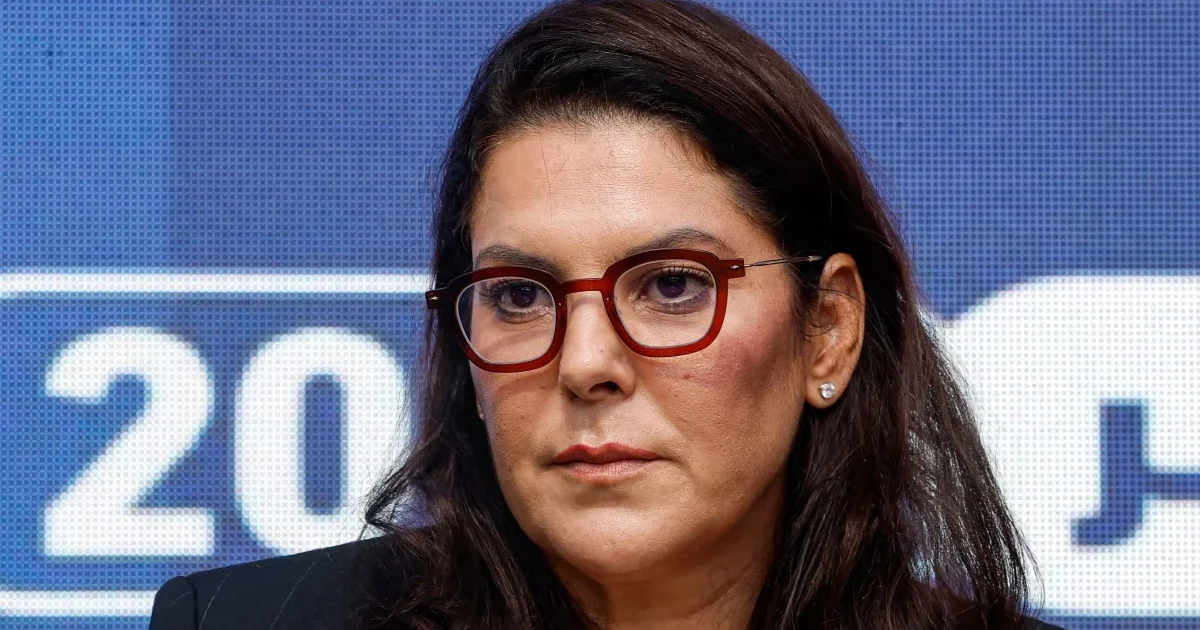
King Mohammed VI of Morocco has appointed Fatima El Mansouri as the country's first female prime minister. The appointment was announced by the royal cabinet on September 27, 2026. El Mansouri, the mayor of Marrakesh, was chosen after her party, the Authenticity and Modernity Party (PAM), won the parliamentary elections held the previous week. The PAM secured 97 seats in the House of Representatives, making it the largest party in the parliament.
El Mansouri's appointment marks a significant milestone in Morocco's history, as she becomes the first woman to hold the position of prime minister. The 50-year-old politician has previously served as the housing minister and mayor of Marrakesh, a position she has held since 2021. Her party, the PAM, was founded in 2008 by Fouad Ali El Himma as a counterweight to the country's Islamist movement. The PAM's victory in the elections was notable, as it secured 31 more seats than the next closest competitor.
Despite the PAM's significant win, the party does not have an outright majority and will need to form a coalition with other parties to govern for the next five years. The monarch retains broad powers over major policies, and El Mansouri's cabinet will have to address several pressing issues, including unemployment, living costs, and social disparities. These issues have particularly affected young people in Morocco, with many expressing frustration and disillusionment.
El Mansouri's campaign focused on providing concrete solutions to the country's problems, particularly those affecting young people. She promised to restore hope and provide answers to the challenges faced by the youth. Her party has pledged to achieve average annual economic growth of 5%, inflation of 2%, and the creation of at least one million new jobs over its five-year term. These promises were well-received by many Moroccans, who are eager for change.
The parliamentary elections in Morocco were marked by a low turnout, the lowest in two decades. The vote came just weeks after a crisis in which tens of thousands of mainly young Moroccan migrants rushed into the Spanish enclave of Ceuta. This highlighted the socioeconomic frustrations among the youth and the need for effective solutions. The elections also saw significant gains by the Islamist opposition's Justice and Development Party (PJD), which won 54 seats.
The PJD's chief, former prime minister Abdelilah Benkirane, hailed a "victory" but ruled out joining a coalition led by the PAM, citing allegations of fraud. The PAM was followed in the polls by the National Rally of Independents, which heads the outgoing coalition and won 66 seats. The right-wing Istiqlal party came third with 65 seats. The formation of a new government will require negotiations between the parties, with El Mansouri tasked with forming a coalition.
El Mansouri's appointment as prime minister is seen as a significant step forward for women's representation in Moroccan politics. Her party's victory and her appointment as prime minister reflect a shift in the country's politics and a recognition of the need for change. As she begins her tenure, El Mansouri will face significant challenges, but her experience and commitment to providing solutions will be crucial in shaping Morocco's future.
Key points
- Morocco appoints Fatima El Mansouri as its first female prime minister.
- El Mansouri's party, the Authenticity and Modernity Party, won 97 seats in the parliamentary elections.
- El Mansouri will need to form a coalition with other parties to govern, despite her party's significant win.