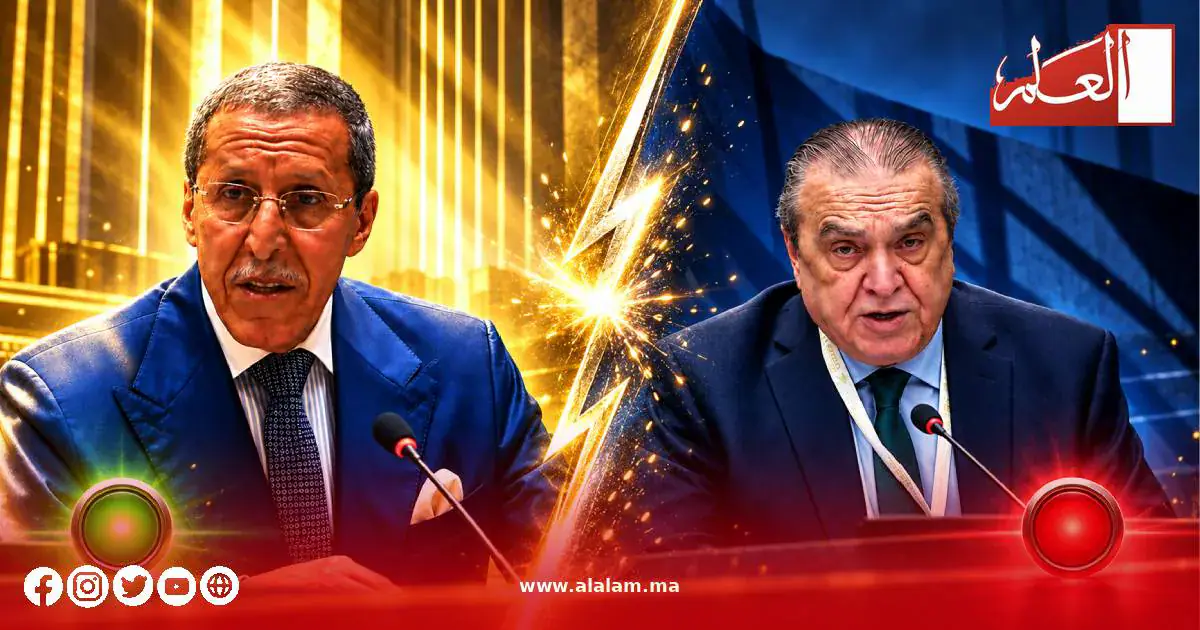
A heated diplomatic confrontation unfolded at the UN Security Council on October 30, 2026, between Morocco and Algeria over the Western Sahara issue. Moroccan Ambassador Omar Hilal addressed the council, responding to Algerian representative Ammar Benjamme's comments. The exchange centered on Algeria's role in the conflict and the situation of Tindouf camp residents. Hilal emphasized Morocco's commitment to finding a solution.
Hilal challenged Algeria's stance, questioning how it could claim to be a mere observer while actively intervening in the discussion and pushing for the rejection of a draft resolution. He criticized the Algerian delegation's approach, describing it as accusatory towards the Security Council, the United States, and countries that supported the draft. Hilal argued that this approach contradicted Algeria's claims of not being involved in the conflict.
A significant part of Hilal's address focused on the issue of registering Tindouf camp residents and determining their identities. He criticized Algeria's continued refusal to allow the UN High Commissioner for Refugees to carry out this process. Hilal stated that Morocco would accept the results, regardless of the number, emphasizing that the goal was to identify the population, their needs, and determine the necessary assistance.
Hilal accused Algeria of abandoning its authority within the camps in favor of the Polisario Front, holding it responsible for ensuring the basic rights of the population. He also alleged that the Polisario Front involved children in military training. Hilal stressed that Tindouf residents should enjoy freedom of movement and the right to return to their homeland, with Morocco ready to welcome those wishing to return under international guarantees and with UNHCR assistance.
The Moroccan ambassador highlighted the dire humanitarian situation in the camps, citing data from the United Nations. He expressed concern over the contrast between the requests for humanitarian aid and the continued militarization of the Polisario Front. Hilal rejected the comparison made by Benjamme between the Western Sahara issue and the Palestinian question, describing it as "shameful."
Hilal emphasized that the refugee situation should not be a permanent state and that negotiations should aim to enable families to return home and end their suffering, rather than keeping them hostage to political agendas. He concluded by thanking the United States and countries that supported the draft resolution, expressing regret that it was not adopted.
The exchange between Hilal and Benjamme reflects the longstanding tensions between Morocco and Algeria over the Western Sahara issue. The situation remains unresolved, with the international community continuing to seek a peaceful solution. The discussions at the UN Security Council highlight the complexities and challenges in addressing this protracted conflict.
Key points
- The UN Security Council session highlighted the deep-seated differences between Morocco and Algeria over the Western Sahara issue.
- Morocco's ambassador to the UN, Omar Hilal, rejected Algeria's comparison between the Western Sahara issue and the Palestinian question.
- The situation in Tindouf camps and the need for a peaceful solution to the conflict were central themes in the exchange between Hilal and Benjamme.