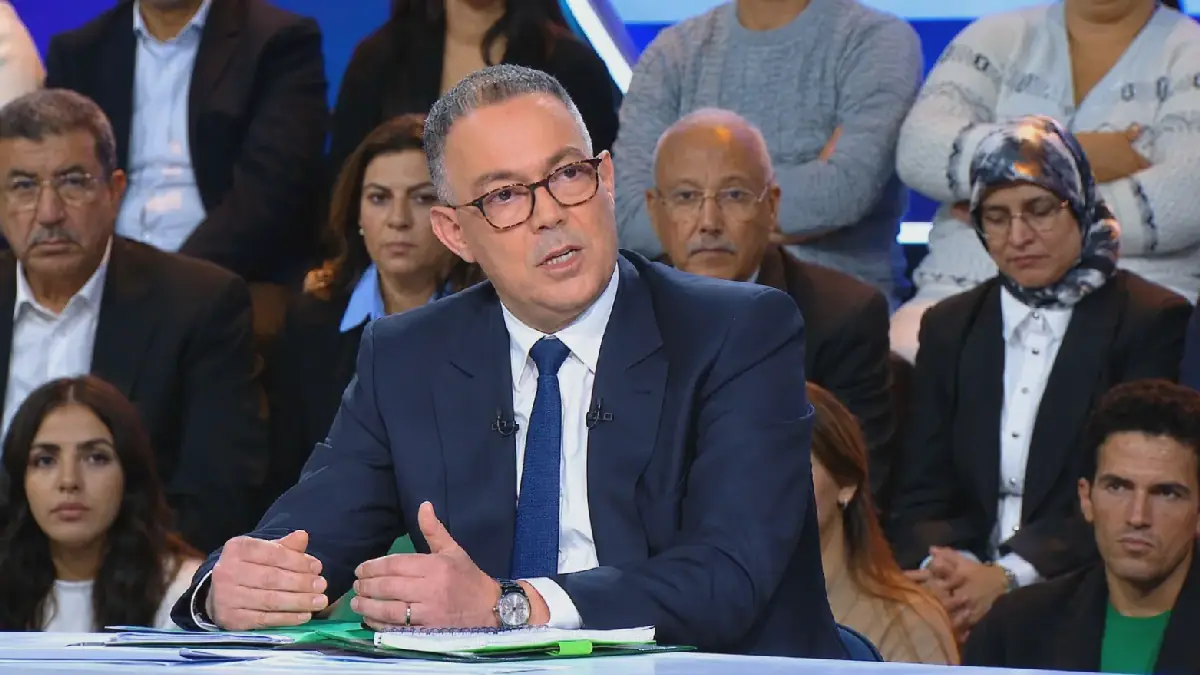
Morocco's Minister of Economy and Finance, Fouzi Lekjaa, announced on a recent television program that the government will allocate 1 billion dirhams to modernize 12 major wholesale markets across the country. This move is part of a broader strategy to address the rising cost of food and improve the overall efficiency of the country's food distribution systems. The modernization efforts aim to enhance the infrastructure and operations of these critical markets.
In addition to the modernization of wholesale markets, the Moroccan government plans to establish six regional companies for food collection and marketing. These companies are expected to play a crucial role in streamlining the food supply chain, reducing waste, and ensuring a more stable and efficient distribution of food products to consumers. By creating these regional entities, the government hopes to exert greater control over food prices and availability.
The government's strategy to control food prices also involves facilitating imports of meat and other essential food items. By easing restrictions on imports, the government aims to increase the supply of these products in the domestic market, which should help to alleviate some of the upward pressure on prices. This move is part of a broader effort to ensure that Moroccan consumers have access to affordable and nutritious food.
The issue of rising food prices has been a significant concern for Moroccan households in recent times. According to data from the High Commission for Planning (HCP), the country's inflation rate has been trending upward, driven in large part by increases in food prices. The government's efforts to modernize wholesale markets, improve food distribution, and facilitate imports are aimed at addressing these concerns and providing relief to households.
The modernization of wholesale markets and the establishment of regional food collection and marketing companies are also expected to have a positive impact on the country's agricultural sector. By providing farmers with better access to markets and improving the efficiency of the food supply chain, the government hopes to increase the incomes of farmers and encourage investment in agriculture. This, in turn, should help to boost domestic food production and reduce the country's reliance on imports.
The government's plan to reorganize food distribution circuits is another key aspect of its strategy to control food prices. By improving the logistics and infrastructure of food distribution, the government aims to reduce waste and ensure that food products reach consumers in a more efficient and cost-effective manner. This should help to reduce costs and prices, providing relief to households and improving the overall competitiveness of the food sector.
The allocation of 1 billion dirhams to modernize wholesale markets and the establishment of regional food collection and marketing companies demonstrate the Moroccan government's commitment to addressing the issue of rising food prices. The success of these initiatives will depend on effective implementation and coordination among various stakeholders, including government agencies, private sector operators, and farmers. If successful, these efforts could help to stabilize food prices and improve the well-being of Moroccan households.
Key points
- The Moroccan government has allocated 1 billion dirhams to modernize 12 wholesale markets as part of a broader strategy to control rising food prices.
- The government plans to establish six regional companies for food collection and marketing to streamline the food supply chain and reduce waste.
- The modernization efforts aim to enhance the infrastructure and operations of wholesale markets, improve food distribution, and facilitate imports of essential food items.