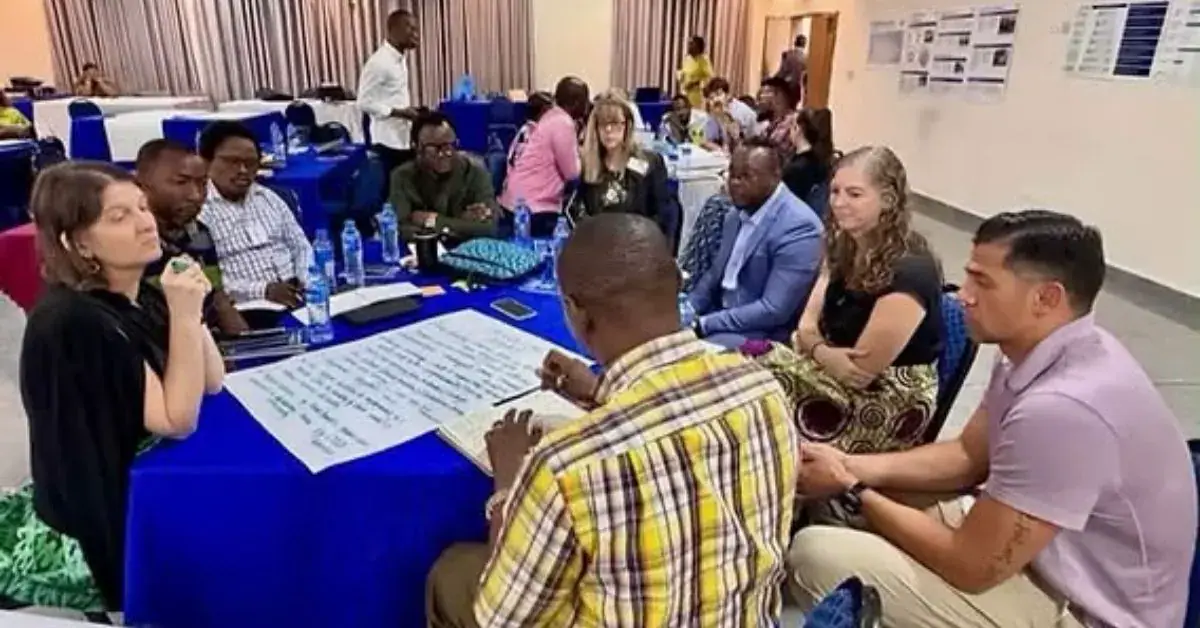
The Ministry of Health and Mercy Ships Sierra Leone are working together to address gaps in the country's surgical services. Their efforts are focused on strengthening clinical training, improving patient referral systems, and increasing access to treatment. This initiative is part of the country's National Surgical, Obstetric and Anaesthesia Plan (NSOAP) 2026–2030. A three-day strategy development workshop was recently held in Freetown to discuss the plan.
The workshop brought together representatives from various healthcare institutions, including hospitals, training institutions, primary healthcare services, emergency medical services, and community health programmes. Participants identified areas for improvement, including the need to strengthen nursing education through supervised clinical placements, mentorship, and practical training. They also highlighted opportunities to improve patient identification, referral procedures, and coordination between healthcare facilities and Mercy Ships.
One of the major challenges preventing patients from accessing surgical treatment is the high cost of transportation. Other barriers include stigma, fear, limited diagnostic services, and uncertainty about accommodation and return journeys. To address these challenges, participants recommended working with community, traditional, and religious leaders to raise awareness of available surgical services. They also called for improved patient follow-up and clearer discharge information.
The workshop participants made several recommendations to improve surgical services. These include reviewing clinical training arrangements, strengthening referral systems, and identifying specific stages in the patient journey where improvements could be made. Further planning is expected to establish responsibilities, resource requirements, and monitoring measures to guide implementation of the recommendations.
The initiative is part of broader efforts by the Ministry of Health, Mercy Ships, and other healthcare stakeholders to strengthen surgical services and improve access to quality care across Sierra Leone. The NSOAP 2026–2030 aims to improve surgical services and increase access to quality care. Mercy Ships has been working in Sierra Leone to provide free surgical care to patients.
The collaboration between the Ministry of Health and Mercy Ships is expected to improve healthcare outcomes in Sierra Leone. The two organizations are working together to ensure that patients receive quality care. The Ministry of Health is responsible for overseeing healthcare in Sierra Leone.
The strategy development workshop was organized by the Ministry's Directorate of Hospital and Ambulance Services. The workshop provided a platform for stakeholders to discuss challenges and opportunities in improving surgical services. Key stakeholders are expected to continue working together to implement the recommendations.
Key points
- The Ministry of Health and Mercy Ships are working together to improve surgical services in Sierra Leone.
- The initiative aims to strengthen clinical training, improve patient referral systems, and increase access to treatment.
- The collaboration is part of the country's National Surgical, Obstetric and Anaesthesia Plan (NSOAP) 2026–2030.