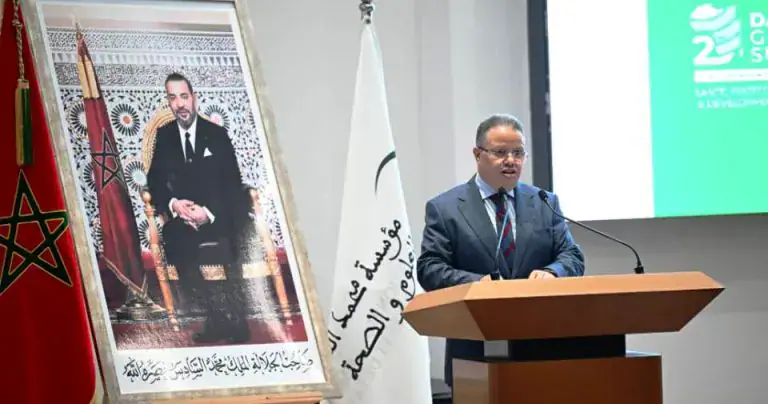
The Moroccan government has made substantial progress in expanding medical coverage, with the rate increasing from 42% to nearly 89% of the population in recent years. This achievement is attributed to the generalization of the Mandatory Health Insurance (AMO), according to Minister of Health and Social Protection, Youns Bjijou. The minister announced this development at the opening of the second edition of the Dakhla Summit, themed "Health and Social Protection: A Royal Project".
The Moroccan system is based on an insurance model that combines contributory responsibility and national solidarity, with the state covering the insurance premiums of the most vulnerable populations. This reform is built around four pillars: universal access to mandatory health insurance, deployment of family allowances, expansion of retirement schemes, and extension of unemployment benefits. The minister emphasized that expanding medical coverage is not enough without transforming the healthcare system to ensure effective, quality care and financial protection.
To achieve this, Morocco has initiated a comprehensive overhaul of its national healthcare system, focusing on four key areas: renovating health governance, modernizing healthcare infrastructure, strengthening human capital, and accelerating digital transition. The government aims to improve healthcare quality and accessibility, ensuring that citizens receive adequate medical care. This reform effort is part of a broader strategy to enhance the country's healthcare sector.
Minister Bjijou also stressed the importance of strengthening health sovereignty by developing local industrial capacities for producing medicines, vaccines, and diagnostic tools. He called for increased cooperation among African countries to address the continent's health challenges effectively. This approach is expected to help Morocco and other African nations develop sustainable solutions to their healthcare needs.
The Dakhla Global Summit, organized by the Mohammed VI Foundation for Science and Health (FM6SS) and the African Academy of Health Sciences (AAHS), brings together politicians, experts, and healthcare professionals from various countries. The two-day summit aims to facilitate discussions on health policies, social protection mechanisms, and human development strategies in Africa. The event also provides a platform for sharing best practices and innovative solutions.
The summit's opening ceremony was attended by notable figures, including former Senegalese President Macky Sall and Central African Republic President Catherine Samba-Panza. The event highlights the importance of collaboration and knowledge sharing in addressing Africa's health and social protection challenges. By working together, African nations can develop effective strategies to improve healthcare outcomes and protect their citizens.
The Moroccan government's efforts to enhance its healthcare system demonstrate a commitment to improving the well-being of its citizens. The significant increase in medical coverage is a notable achievement, and the ongoing reforms aim to ensure that healthcare is accessible and of high quality. As the country continues to develop its healthcare sector, it is likely to serve as a model for other nations in the region.
Key points
- Morocco's medical coverage rate has increased from 42% to nearly 89% through the generalization of mandatory health insurance.