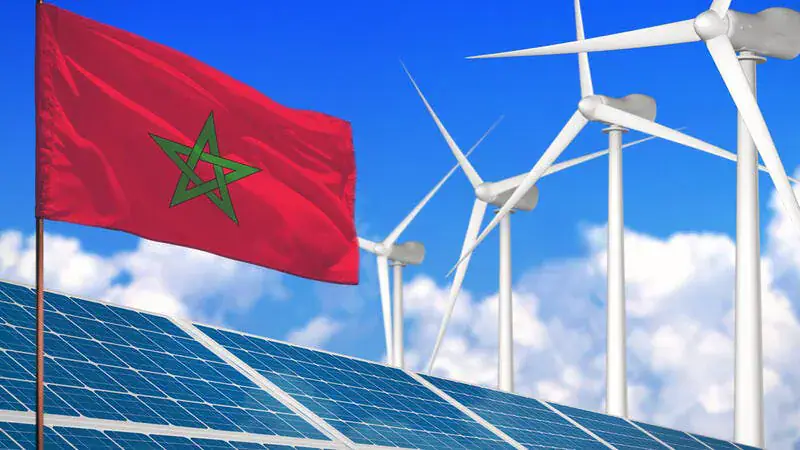
Morocco is strengthening its position in the energy transition by expanding its reliance on renewable energy sources and developing infrastructure for electricity production and storage. The country aims to diversify its energy mix and meet increasing electricity demand while enhancing cooperation with African countries. Morocco's ambassador to India, Mohamed Maliki, highlighted the country's achievements in renewable energy at the 9th International Solar Alliance General Assembly in New Delhi.
Maliki emphasized that Morocco's energy strategy focuses on three priorities: developing renewable energies, improving energy efficiency, and promoting regional energy integration. As a result, the share of renewable energies in installed electricity capacity rose from 37.1% in 2021 to 46.7% by June 2026, an increase of over nine percentage points. Renewable energies' contribution to the energy mix grew from 19.7% to 26% between 2021 and 2025.
During the same period, Morocco added 1,833 megawatts of new electricity capacity, entirely from renewable sources, including 312 megawatts of solar energy, with investments exceeding 22 billion dirhams. The country's total installed electricity capacity reached 12,364 megawatts by June 2026, with 5,780 megawatts generated from renewable sources, comprising 1,063 megawatts of solar energy, 2,597 megawatts of wind energy, and 2,120 megawatts of hydroelectric power.
Morocco aims to increase the share of renewable energies in installed electricity capacity to over 52% by 2030. The country plans to add 18,088 megawatts of new capacity between 2026 and 2030, including 6,722 megawatts of solar energy and 2,230 megawatts of battery energy storage systems. These investments will support the growing demand for electricity, expected to reach 70.5 terawatt-hours by 2030.
Maliki highlighted the importance of the solar energy sector in Morocco's energy transition, citing the "Noor Atlas" program, which involves building six solar photovoltaic power plants with a total capacity of 305 megawatts, starting operations in 2027. The program is a partnership between the Moroccan Agency for Sustainable Energy and the National Office for Electricity and Drinking Water.
Morocco is also looking to establish itself as a key player in the green hydrogen sector, in line with royal instructions and efforts to diversify energy sources and promote the country's position in industries related to the energy transition. The country values its partnership with the International Solar Alliance, which aims to mobilize investments, encourage technology transfer, and develop national capacities.
Maliki reaffirmed Morocco's commitment to a sustainable and inclusive energy transition, calling for the partnership to be translated into concrete initiatives in areas such as solar energy, energy storage, and rural electrification, which would benefit Morocco and support energy development across Africa.
Key points
- Morocco aims to increase the share of renewable energies in installed electricity capacity to over 52% by 2030.
- The country added 1,833 megawatts of new electricity capacity from renewable sources between 2021 and 2026.
- Morocco plans to add 18,088 megawatts of new capacity between 2026 and 2030, including 6,722 megawatts of solar energy.