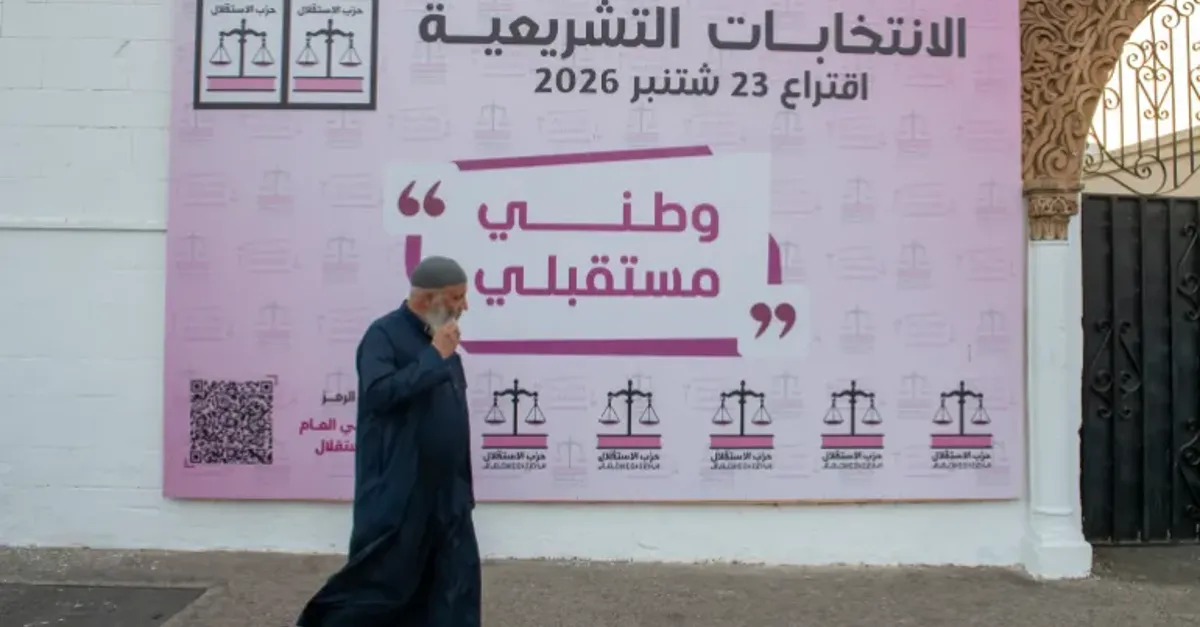
Moroccans began casting their ballots in the parliamentary elections on Wednesday, marking a significant event in the country's political calendar. The elections will determine the makeup of the House of Representatives, which will in turn shape the country's governance for the coming years. According to the Moroccan news agency, this event is of great importance as it will define the next parliamentary landscape and government.
A total of 27 parties are competing for 395 seats in the House of Representatives. The number of registered voters stands at 15 million 801 thousand and 162, with men making up 54% and women 46%. The majority of voters, 55%, reside in urban areas, while 45% live in rural areas. The electoral process involves a complex system of seat allocation based on the number of registered voters in each constituency.
The voting process is open to all registered voters, with 2658 women running for office, representing around 36.5% of all candidates. Of these, 1783 are running in regional constituencies reserved for women, while others are competing in local constituencies. Women also have the opportunity to run for office in local constituencies, in addition to the 90 regional seats reserved for them.
The Moroccan electoral system has implemented measures to encourage youth participation, including financial support for lists that include candidates under the age of 35. The new system also provides for increased financial support for young candidates who win seats in local constituencies. This move aims to boost the representation of young people in the country's parliament.
According to the official electoral calendar, the first results are expected to be announced on Thursday, September 24, after the closure of polling stations and the counting of votes. The elections are being closely watched, both domestically and internationally, as they will have a significant impact on Morocco's future governance and policy direction.
The elections are the 12th parliamentary elections in Morocco since its independence. The country's electoral system is designed to ensure fair representation, with a complex system of seat allocation based on the number of registered voters in each constituency. The system also includes measures to promote the participation of women and young people in the electoral process.
The outcome of the elections will have significant implications for Morocco's future governance and policy direction. The newly elected parliament will play a crucial role in shaping the country's laws and policies, and the elected representatives will be responsible for addressing the country's challenges and opportunities. The elections are a critical step in Morocco's democratic process.
Key points
- Moroccan voters are choosing representatives for the House of Representatives in a crucial parliamentary election that will shape the country's future government.
- A total of 27 parties are competing for 395 seats in the House of Representatives, with 2658 women running for office.
- The elections are expected to have significant implications for Morocco's future governance and policy direction.